Gold Panda · Foundation object
The 1982 Gold PandaWhere a bullion program begins
Four ounce-format weights opened the Gold Panda program in 1982. The first reverse carries no face-value inscription, placing one panda and bamboo at the origin of the annual design tradition.
This study isolates the first-year one-ounce coin rather than repeating the Gold Panda overview.
Object study
The first Gold Panda begins as an object.
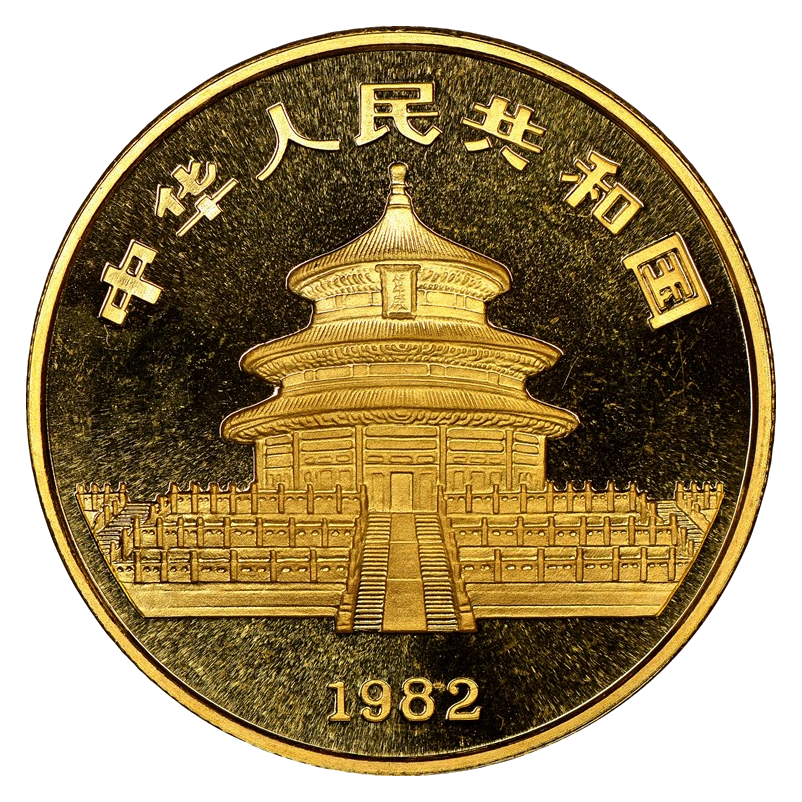
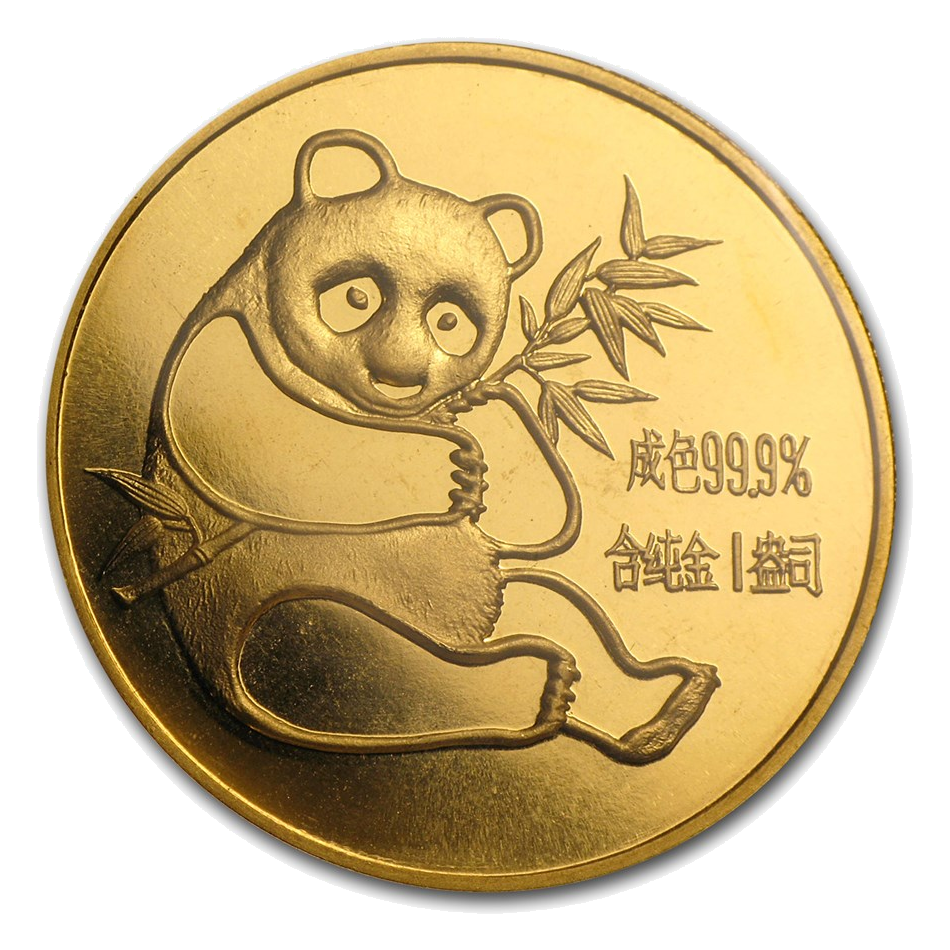
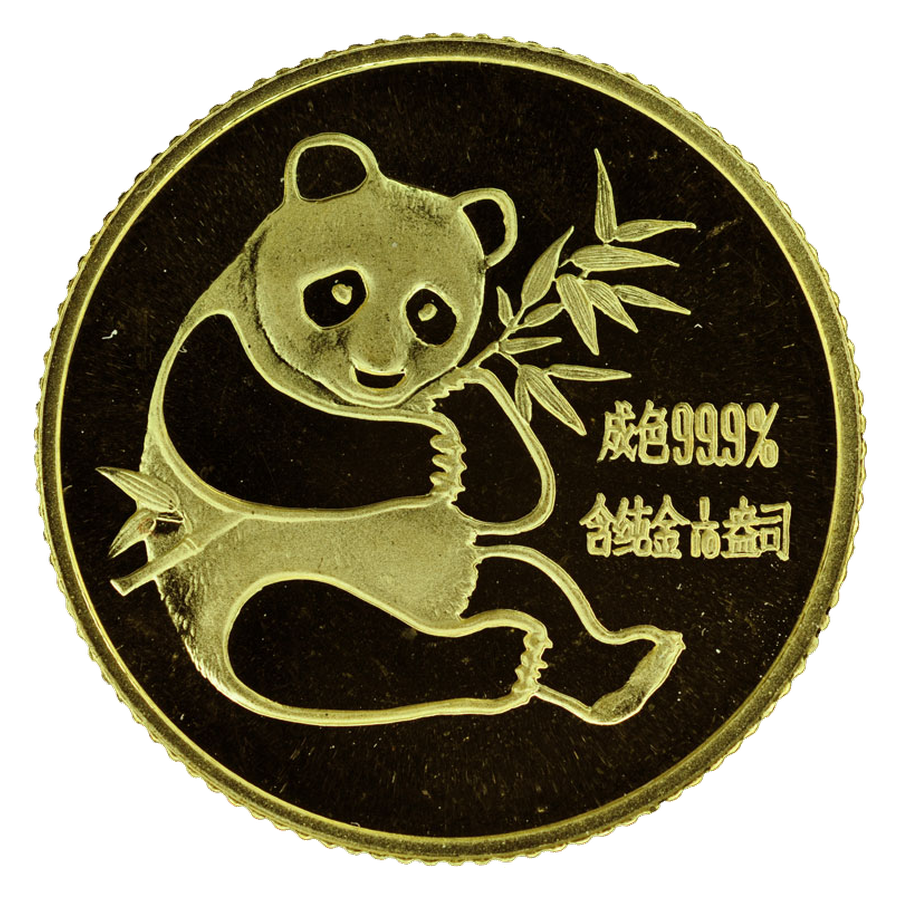
The obverse establishes national issue identity through the Hall of Prayer for Good Harvests and the 1982 date. The reverse shows a seated panda with bamboo. Together they identify the first-year one-ounce coin itself, not a neighboring substitute.
Historical position
Why 1982 matters
It opened the gold branch of the Panda precious-metal program and established the premise of a changing annual Panda reverse. Every first-year size belonged to an ounce-based structure.
Denominations and an additional weight followed in 1983. The absent face value on the first reverse is therefore a historical feature, not missing information.
Weight structure
The original ounce family
Four weights formed the first release. This page presents the structure without assigning an undocumented policy motive.
Shared fineness99.9% gold
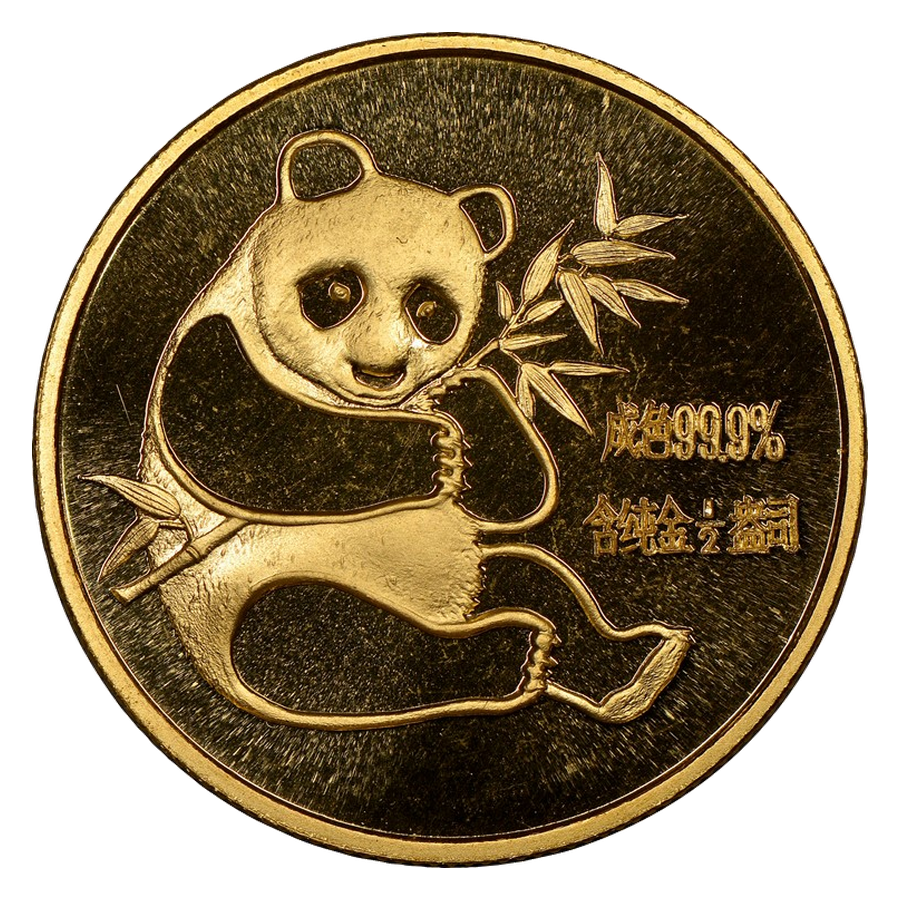
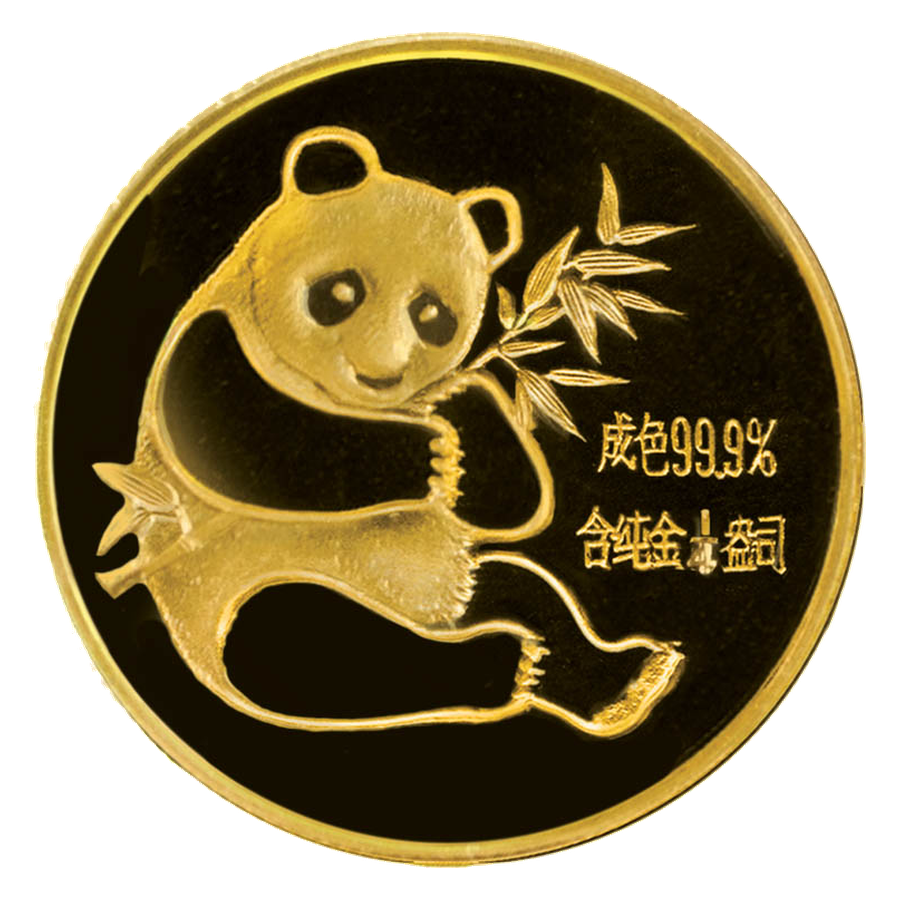
The opening reverses are identified by panda, bamboo, and Chinese 99.9%-purity / fine-gold-weight inscriptions; all four carry no face value.
In 1983, a twentieth-ounce size was added and face values appeared on every size.
How to read it
Foundation context
The opening reverse is unusually spare: one panda, bamboo, and no denomination. That restraint makes 1982 the clearest point from which to read the later Gold Panda program.
Obverse and reverse
The obverse anchors national issue context; the reverse begins the changing Panda image. Their first-year pairing is the baseline for every later design comparison.