Restrikes, copies, and fantasies reproduce or recombine colonial designs for study, sale, deception, or collecting.
The catalog's imitative dates and ongoing flag do not define manufacture; rows must be dated and classified from their copy maker, dies, metal, and provenance.
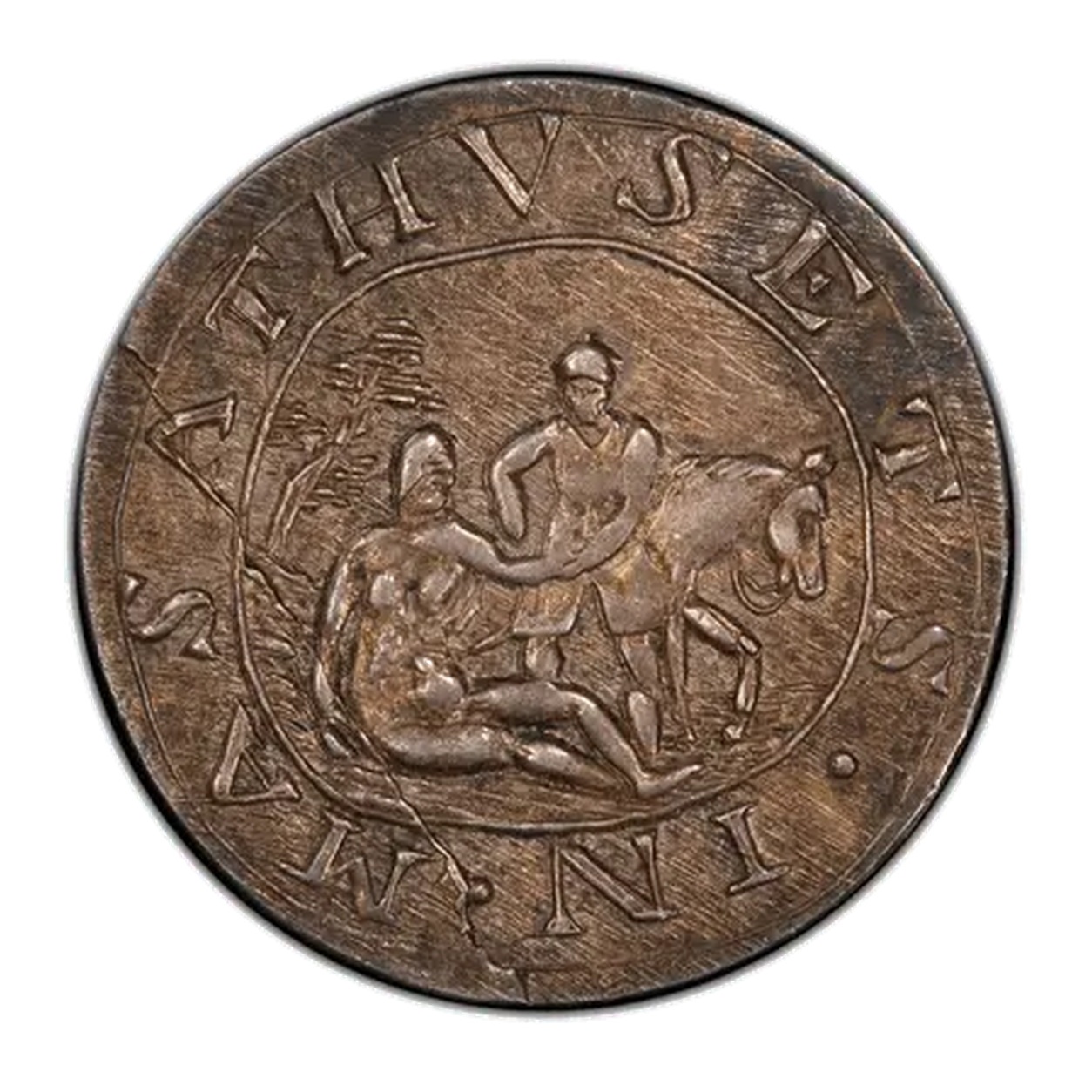
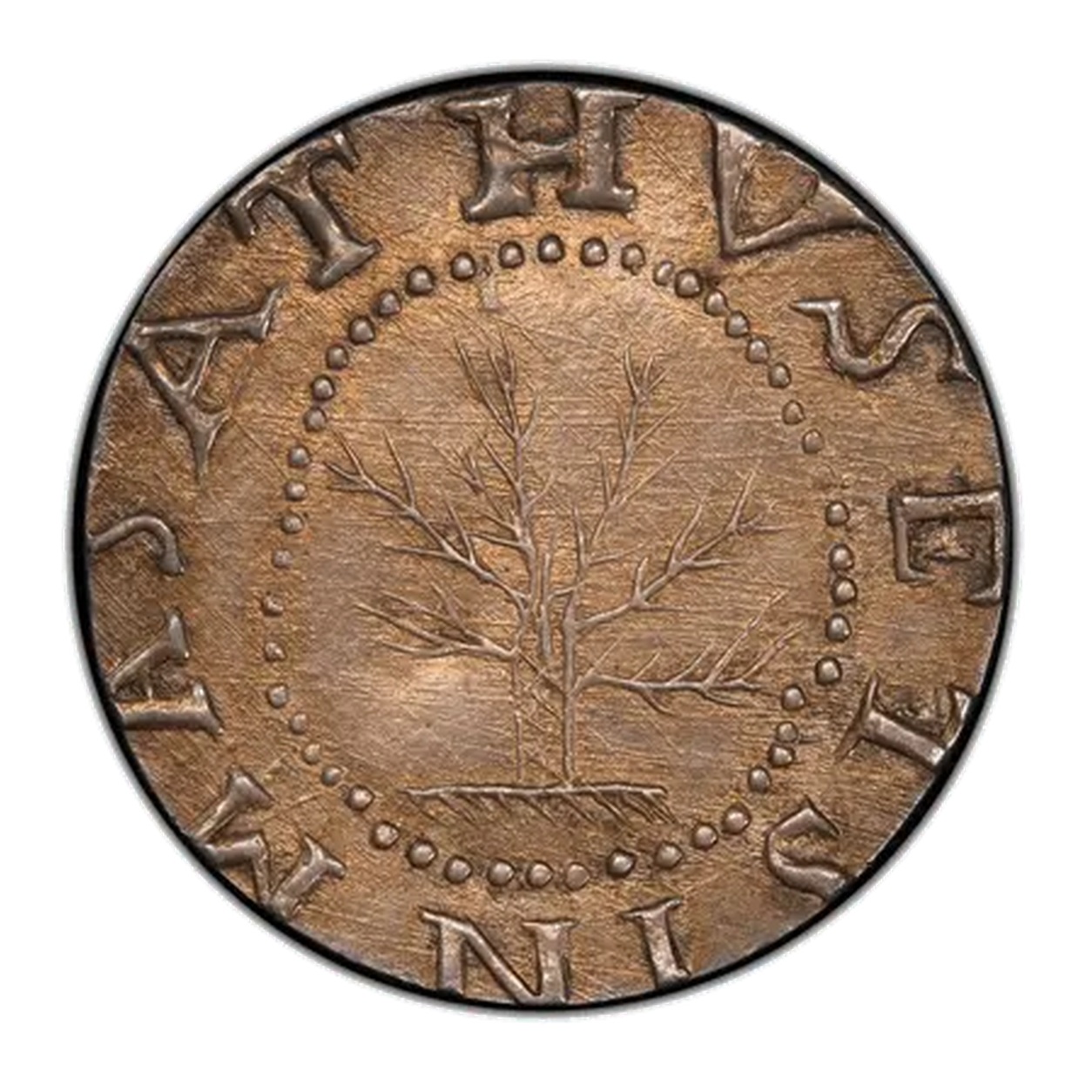
User-supplied representative side pair shown with full rims. The source pixels were normalized without reconstructing inscriptions, relief, or diagnostics.
Identity and classification
- Object class
- Restrike, copy, or fantasy
- Authority
- Later private or institutional makers
- Classification boundary
- Later manufacture in colonial style · copied date is not production date
- Catalog status
- Status-first structured catalog
A copied date is not a production date
Nineteenth- and twentieth-century makers revisited famous colonial types, sometimes creating designs that never existed as original colonial coins.
These objects can be collectible in their own right when their later identity is stated clearly.
Obverse, reverse, and the details that identify the type
Confirm the major design, date, and mint mark before studying smaller die differences.
The main portrait and date
Imitated punches, trees, portraits, or legends often resemble originals but differ in style, spacing, relief, or die details.
Denomination, subject, and mint mark
Copied dates and denominations may intentionally repeat colonial inscriptions even when the object was made centuries later.
Attributed object catalog
Rows preserve the current classification; blank production is unknown, not zero.
Attribution and authenticity
Identify maker, die family, manufacture period, metal, edge, and provenance before interpreting the imitated design.
Issuer and production
Production methods, issuing authority, and intended use vary across this catalog; do not infer a federal mint process from the page layout.
Authenticity
Confirm weight, diameter, metal, edge, manufacture, and multiple repeatable diagnostics with a trusted specialist reference.
Grading
Separate circulation wear from weak strike, planchet flaws, corrosion, cleaning, tooling, repairs, mounts, and other post-production changes.
Rarity
A low catalog count or famous name does not by itself establish rarity; exact attribution, survival, condition, and demand all matter.
Provenance
Retain labels, envelopes, invoices, auction references, prior attributions, and collection history; provenance is evidence, not decoration.
From one type coin to a complete catalog
- One representative coin: Choose one problem-free, readable example and learn the size, edge, and major design.
- Major-type set: Use one coin per major design to show changes in artwork, composition, or production.
- Dates and mints: Work through the issue catalog by date and mint, defining special finishes separately.
Sources and image provenance
- Thomas Wyatt Copy of a Massachusetts Coin — Smithsonian National Museum of American History
- National Numismatic Collection — Smithsonian National Museum of American History
- Colonial Restrikes and Fantasies category reference — PCGS CoinFacts