This catalog groups coinage associated with individual colonies or proprietors before 1776, from Maryland issues to Virginia silver and regional Saint Patrick pieces.
The page follows the current 1652–1774 state and proprietary rows; private merchant and broader regional issues are separate.
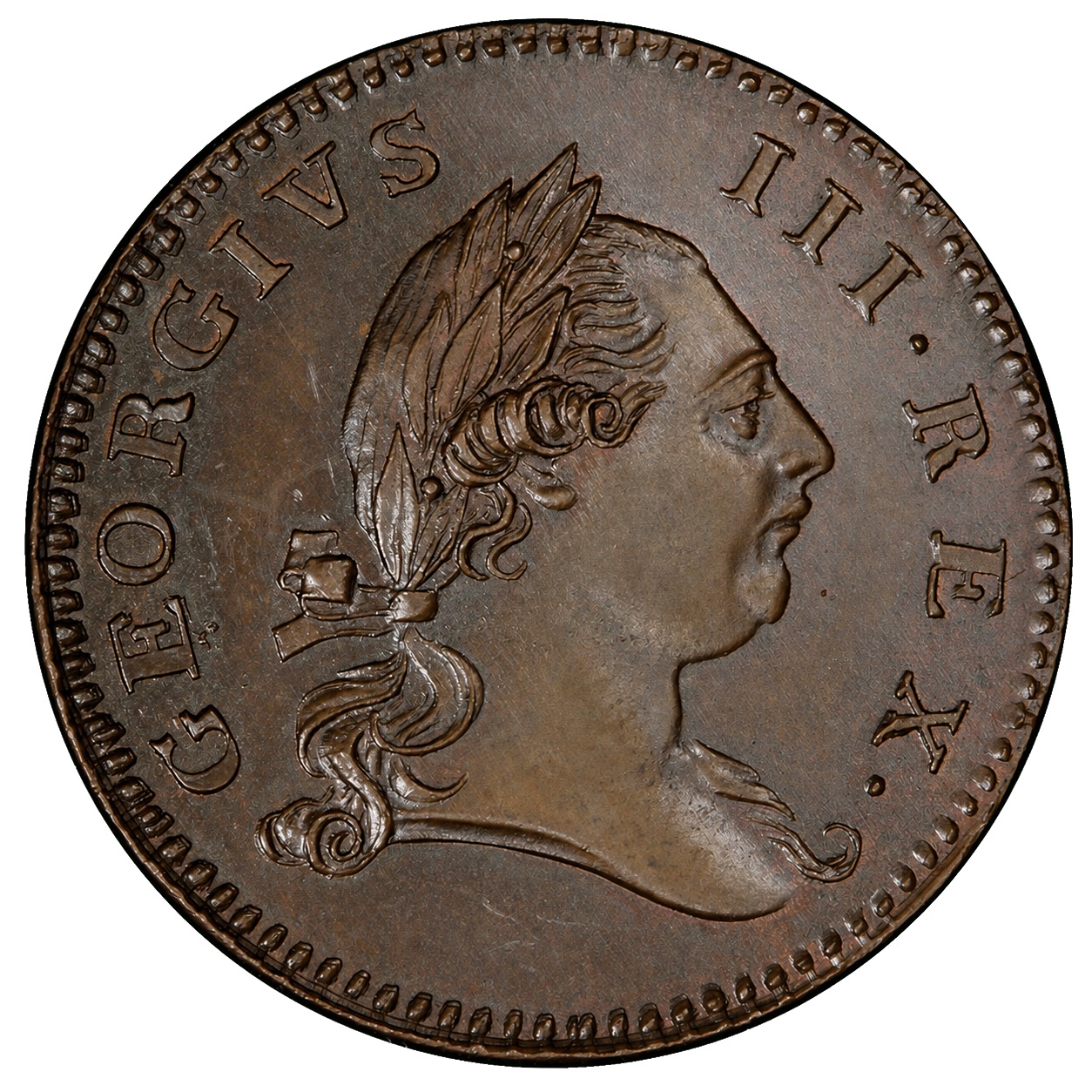
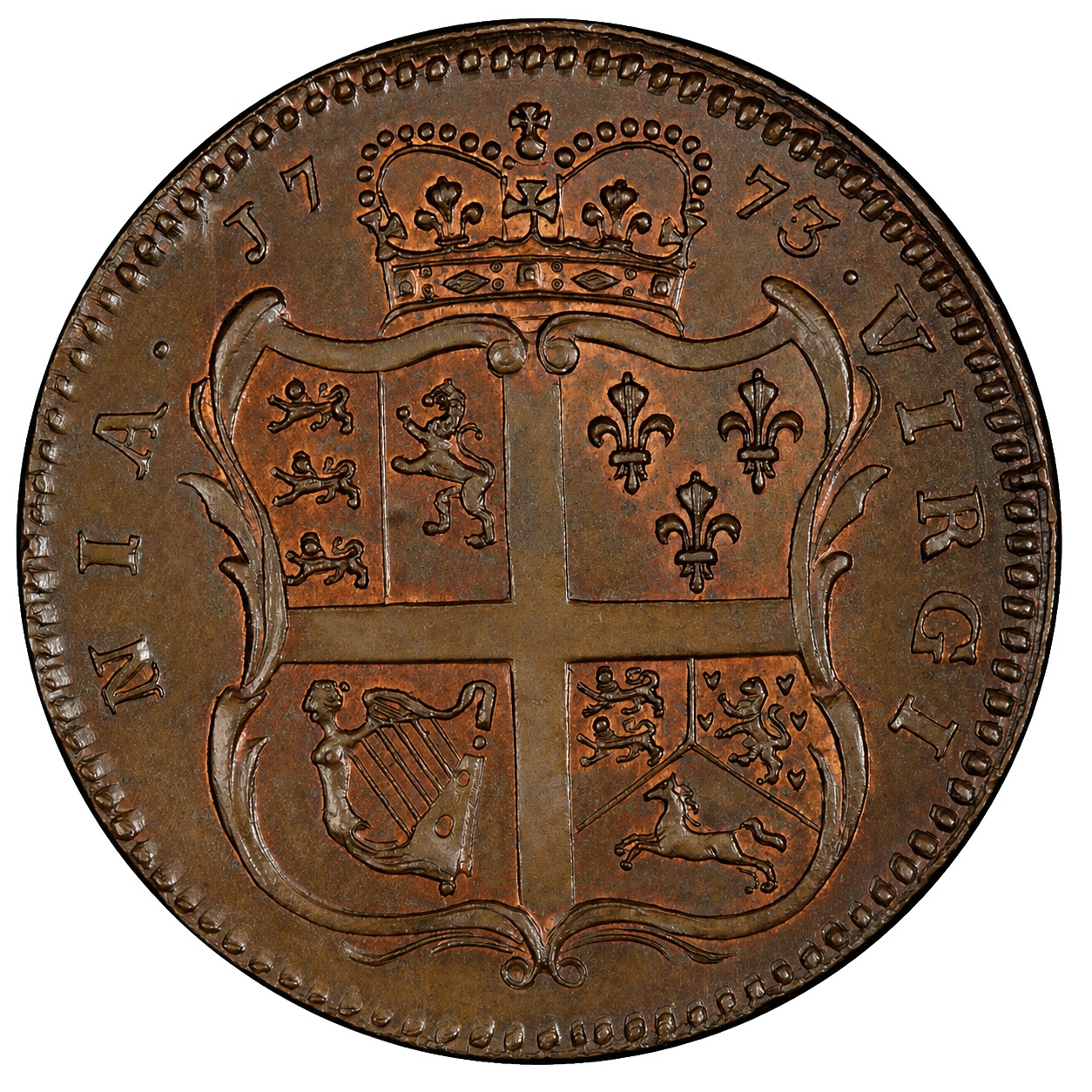
Representative same-object obverse and reverse. Mode A presentation polish removed only the source background; coin surfaces and diagnostics were not reconstructed.
Identity and classification
- Object class
- Colony-associated coinage
- Authority
- Royal, colonial, and contracted authorities
- Classification boundary
- Pre-independence regional coinage · authority varies by type
- Catalog status
- Substantial structured catalog
Different authorities, no single colonial system
British North America lacked one uniform local coinage system, so proprietors and colonial governments pursued different solutions.
Issuer, metal, denomination, and legal context must be established before comparing dates.
Obverse, reverse, and the details that identify the type
Confirm the major design, date, and mint mark before studying smaller die differences.
The main portrait and date
Proprietary portraits, arms, saints, or colonial symbols identify the issuing authority.
Denomination, subject, and mint mark
Denominations and heraldic or religious devices vary sharply and often carry no familiar federal format.
Attributed object catalog
Rows preserve the current classification; blank production is unknown, not zero.
Attribution and authenticity
Begin with colony or authority, then metal, denomination, legend, date, edge, and the family-specific die system.
Issuer and production
Production methods, issuing authority, and intended use vary across this catalog; do not infer a federal mint process from the page layout.
Authenticity
Confirm weight, diameter, metal, edge, manufacture, and multiple repeatable diagnostics with a trusted specialist reference.
Grading
Separate circulation wear from weak strike, planchet flaws, corrosion, cleaning, tooling, repairs, mounts, and other post-production changes.
Rarity
A low catalog count or famous name does not by itself establish rarity; exact attribution, survival, condition, and demand all matter.
Provenance
Retain labels, envelopes, invoices, auction references, prior attributions, and collection history; provenance is evidence, not decoration.
From one type coin to a complete catalog
- One representative coin: Choose one problem-free, readable example and learn the size, edge, and major design.
- Major-type set: Use one coin per major design to show changes in artwork, composition, or production.
- Dates and mints: Work through the issue catalog by date and mint, defining special finishes separately.
Sources and image provenance
- Lord Baltimore Shilling, Maryland, 1659 — Smithsonian National Museum of American History
- National Numismatic Collection — Smithsonian National Museum of American History
- Pre-1776 States Coinage category reference — PCGS CoinFacts