Continental Currency pieces, Nova Constellatio patterns, Immunis Columbia types, and related proposals record attempts to imagine national money before 1792.
The 1776–1787 catalog includes proposals, patterns, mules, and later-associated pieces; it is not a list of regular federal circulation issues.
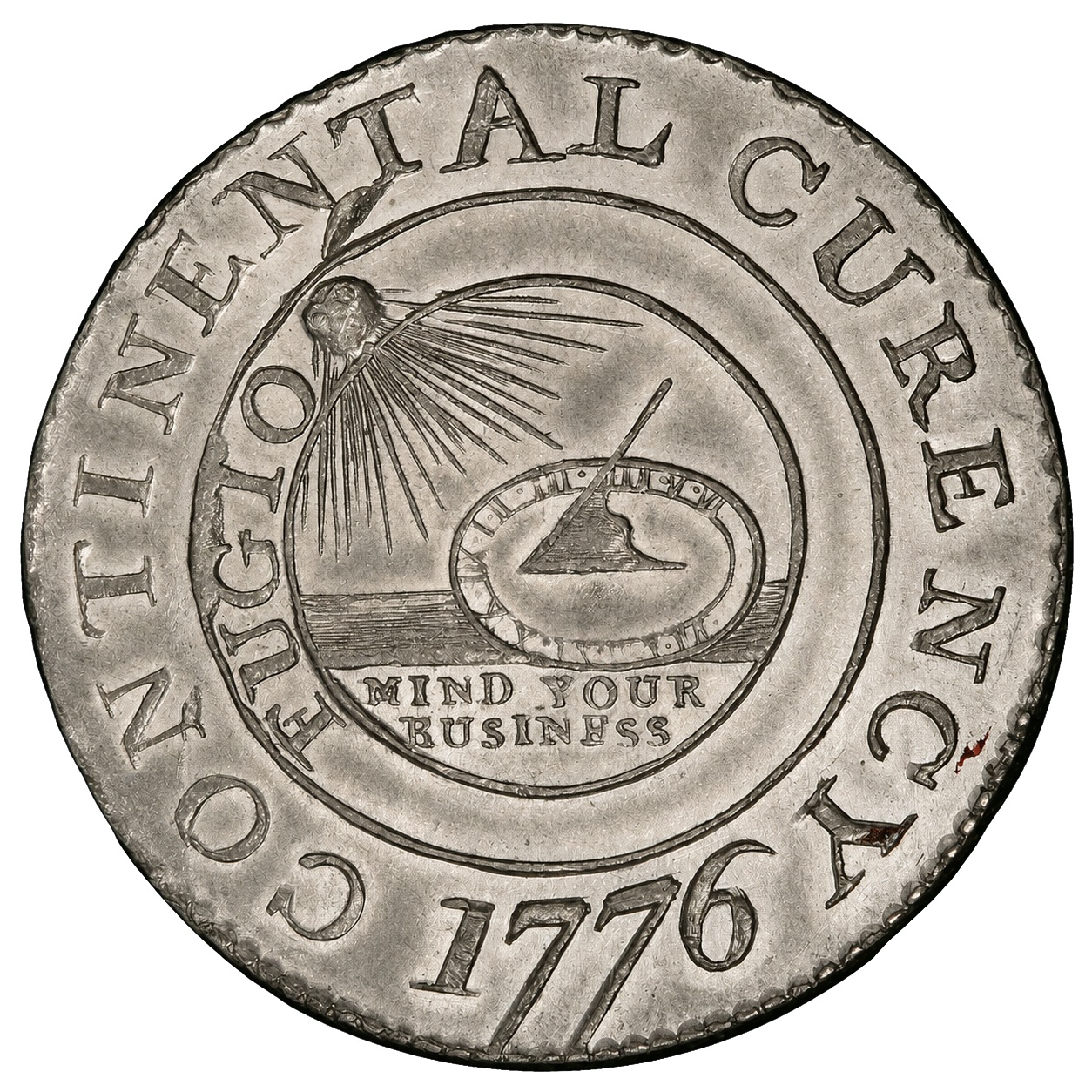
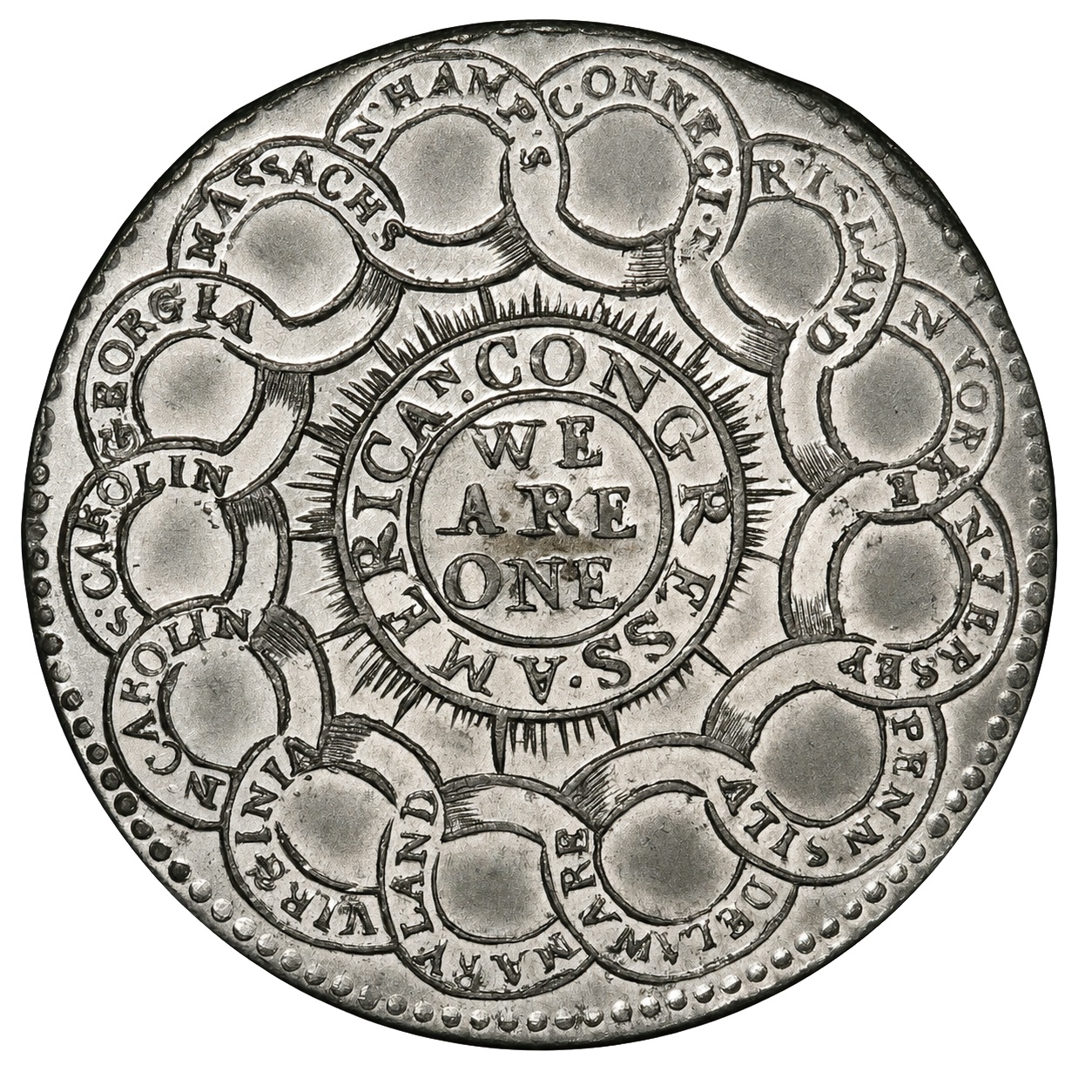
Representative same-object obverse and reverse. Mode A presentation polish removed only the source background; coin surfaces and diagnostics were not reconstructed.
Identity and classification
- Object class
- Proposal, pattern, mule, or related piece
- Authority
- Proposed or disputed national authority
- Classification boundary
- Experimental national money · not regular federal circulation coinage
- Catalog status
- Structured catalog with disputed-status boundaries
Designing a national coinage before the Mint
Revolutionary and Confederation leaders considered multiple monetary systems and symbolic designs.
Some objects have disputed status or survive mainly as patterns, making careful language essential.
Obverse, reverse, and the details that identify the type
Confirm the major design, date, and mint mark before studying smaller die differences.
The main portrait and date
Sundials, eyes, rays, Liberty figures, and national legends identify proposal families.
Denomination, subject, and mint mark
Linked rings, stars, eagles, and Confederation inscriptions express union or national authority.
Attributed object catalog
Rows preserve the current classification; blank production is unknown, not zero.
Attribution and authenticity
Separate documented proposal, pattern, mule, later association, and fantasy; a national motto or 1776 date is not enough.
Issuer and production
Production methods, issuing authority, and intended use vary across this catalog; do not infer a federal mint process from the page layout.
Authenticity
Confirm weight, diameter, metal, edge, manufacture, and multiple repeatable diagnostics with a trusted specialist reference.
Grading
Separate circulation wear from weak strike, planchet flaws, corrosion, cleaning, tooling, repairs, mounts, and other post-production changes.
Rarity
A low catalog count or famous name does not by itself establish rarity; exact attribution, survival, condition, and demand all matter.
Provenance
Retain labels, envelopes, invoices, auction references, prior attributions, and collection history; provenance is evidence, not decoration.
From one type coin to a complete catalog
- One representative coin: Choose one problem-free, readable example and learn the size, edge, and major design.
- Major-type set: Use one coin per major design to show changes in artwork, composition, or production.
- Dates and mints: Work through the issue catalog by date and mint, defining special finishes separately.
Sources and image provenance
- Continental Currency Dollar, 1776 — Smithsonian National Museum of American History
- National Numismatic Collection — Smithsonian National Museum of American History
- Proposed National Issues category reference — PCGS CoinFacts