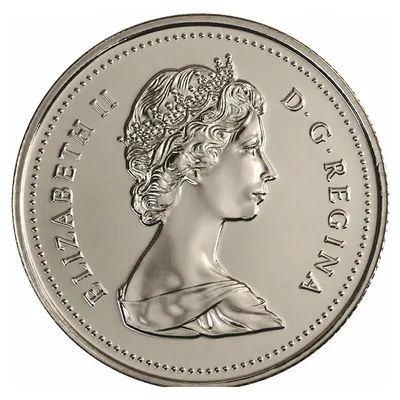
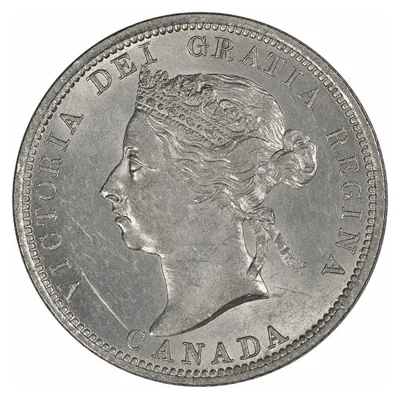
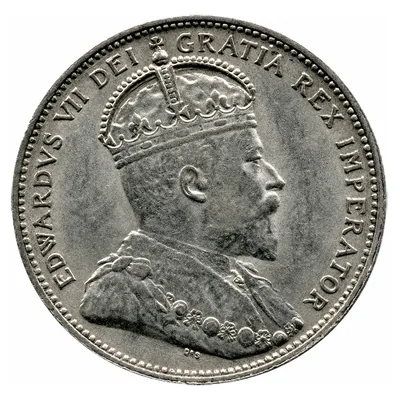
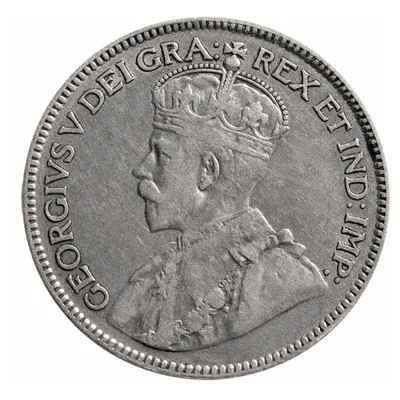
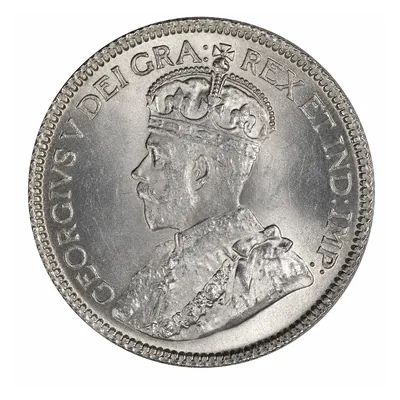
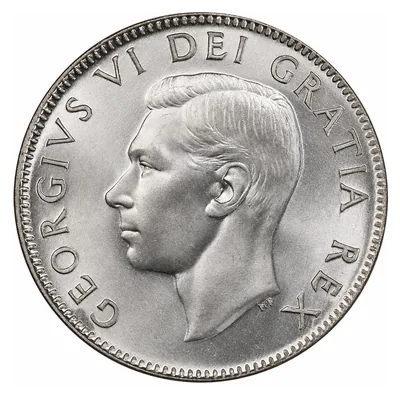
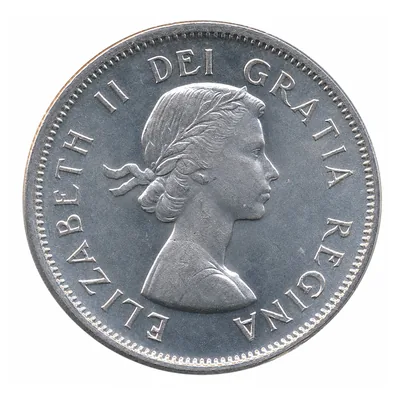
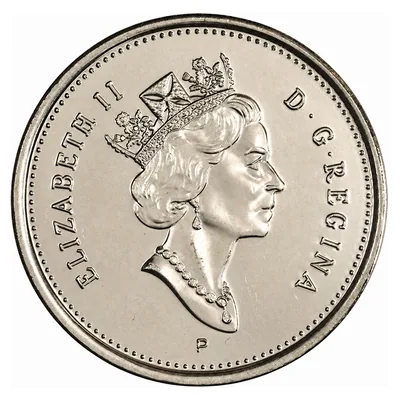
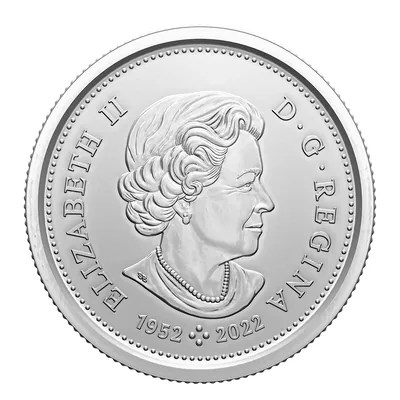
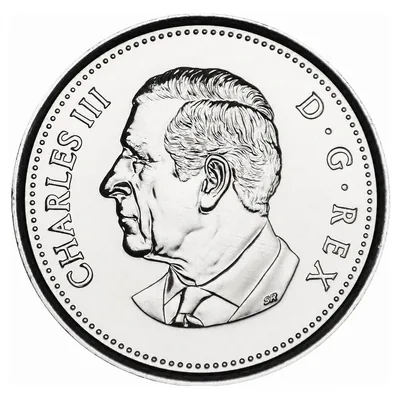
Canadian circulation coin · 1870–present
Denomination overview
Canada's federal quarter began in 1870 with crossed maple boughs. Emanuel Hahn's caribou became the principal reverse in 1937, but the denomination also carried the Centennial bobcat, the 1973 RCMP issue, the 1992 provincial series, the 1999–2000 Millennium collections, and later circulation programs.
Scope: 2 major types, 8 official technical standards, and 117 published annual rows from 1908 through 2024. Unpublished years, prices, survivor estimates, and unverified varieties are not inferred.
Move from denomination to major type
Separate the crossed-bough and caribou base families first. Then check whether the year belongs to a full commemorative program: selected annual Mint totals combine or replace the regular caribou and therefore cannot always be treated as design-only production.
- Major types — Crossed-maple-bough quarter, Caribou quarter family
- Identification order — Separate the crossed-bough and caribou base families first. Then check whether the year belongs to a full commemorative program: selected annual Mint totals combine or replace the regular caribou and therefore cannot always be treated as design-only production.
- Production evidence — Official 1908–2024 rows appear in an adaptive square-root chart and full annual table.
The history of Canadian Twenty-Five-Cent Coin
Canada's federal quarter began in 1870 with crossed maple boughs. Emanuel Hahn's caribou became the principal reverse in 1937, but the denomination also carried the Centennial bobcat, the 1973 RCMP issue, the 1992 provincial series, the 1999–2000 Millennium collections, and later circulation programs.
Separate the crossed-bough and caribou base families first. Then check whether the year belongs to a full commemorative program: selected annual Mint totals combine or replace the regular caribou and therefore cannot always be treated as design-only production.
The Mint presents principal reverses, technical specifications, and annual mintages as separate evidence. This page preserves those boundaries rather than automatically assigning every denomination total to one special reverse.
A compact type set uses crossed boughs and caribou, then adds the Centennial, RCMP, Canada 125, Millennium, coloured-poppy, Olympic, and Canada 150 program gateways according to interest.
- 1870 · Federal quarter begins — The crossed-bough silver quarter entered federal coinage.
- 1908 · Ottawa table begins — The official annual production table begins.
- 1937 · Caribou reverse — Emanuel Hahn's caribou became the principal design.
- 1967 · Centennial bobcat — Alex Colville's bobcat replaced the caribou.
- 1973 · RCMP Centennial — Paul Cederberg's mounted-police design marked the RCMP centennial.
- 1992 · Canada 125 — A national contest produced provincial and territorial reverses.
- 1999–2000 · Millennium collections — Two twelve-coin circulation series carried monthly and aspirational themes.
- 2000 · Plated-steel standard — The quarter entered its current plated-steel technical generation.
- 2004 · Coloured poppy — The Mint identifies it as the world's first coloured circulation coin.
- 2017 · Canada 150 — The regular classic row was zero and the annual total belongs to the special program.
Design generations and identification
Separate the crossed-bough and caribou base families first. Then check whether the year belongs to a full commemorative program: selected annual Mint totals combine or replace the regular caribou and therefore cannot always be treated as design-only production.
- Crossed Maple Boughs Twenty-Five Cents · 1870–1936 · Not established — Value within crossed maple boughs and crown. Crossed-maple-bough quarter.
- Caribou Twenty-Five Cents · 1937–present · Emanuel Hahn — Caribou head above the denomination. Caribou quarter family.
Attribute with denomination, date, portrait, principal reverse, diameter, weight, thickness, shape, edge, and metal response together; colour or wear alone does not establish a new type.
Read long-run production on a square-root scale
The official table provides 117 annual rows from 1908 through 2024, summing to 8,225,914,525 pieces.
The square-root scale compresses extreme highs while keeping zero-production years visible; use the annual table for exact figures.
Design and technology turning points
These anchors support identification and planning; they are not price or rarity rankings.
- Federal quarter begins — The crossed-bough silver quarter entered federal coinage.
- Ottawa table begins — The official annual production table begins.
- Caribou reverse — Emanuel Hahn's caribou became the principal design.
- Centennial bobcat — Alex Colville's bobcat replaced the caribou.
- RCMP Centennial — Paul Cederberg's mounted-police design marked the RCMP centennial.
- Canada 125 — A national contest produced provincial and territorial reverses.
- Millennium collections — Two twelve-coin circulation series carried monthly and aspirational themes.
- Plated-steel standard — The quarter entered its current plated-steel technical generation.
- Coloured poppy — The Mint identifies it as the world's first coloured circulation coin.
- Canada 150 — The regular classic row was zero and the annual total belongs to the special program.
Type, special reverse, and variety are different levels
Confirm the major type first, then the special reverse or technical generation; create a variety only when an authoritative source defines and supports it.
- Confirm denomination and principal design — Separate the crossed-bough and caribou base families first. Then check whether the year belongs to a full commemorative program: selected annual Mint totals combine or replace the regular caribou and therefore cannot always be treated as design-only production.
- Match the technical standard — Match the date to the official composition, weight, diameter, and thickness generation.
- Preserve the evidence boundary — Do not infer a variety, error, price, or survivor count from an annual total, colour, or wear.
Mint annual production table
The table preserves each published figure from 1908 through 2024, including zero-production rows and any split label stated by the Mint.
Annual figures are denomination-level production records; special reverses cannot always be separated from a same-year regular design.
| Year | Design context | Technical standard | Mintage |
|---|---|---|---|
| 1908 | Crossed-maple-bough quarter | 23.62 mm · 5.81 g | 495,016 |
| 1909 | Crossed-maple-bough quarter | 23.62 mm · 5.81 g | 1,335,929 |
| 1910 | Crossed-maple-bough quarter | 23.62 mm · 5.81 g / 23.62 mm · 5.83 g | 3,577,569 |
| 1911 | Crossed-maple-bough quarter | 23.62 mm · 5.83 g | 1,721,341 |
| 1912 | Crossed-maple-bough quarter | 23.62 mm · 5.83 g | 2,544,199 |
| 1913 | Crossed-maple-bough quarter | 23.62 mm · 5.83 g | 2,213,595 |
| 1914 | Crossed-maple-bough quarter | 23.62 mm · 5.83 g | 1,215,397 |
| 1915 | Crossed-maple-bough quarter | 23.62 mm · 5.83 g | 242,382 |
| 1916 | Crossed-maple-bough quarter | 23.62 mm · 5.83 g | 1,462,566 |
| 1917 | Crossed-maple-bough quarter | 23.62 mm · 5.83 g | 3,365,644 |
| 1918 | Crossed-maple-bough quarter | 23.62 mm · 5.83 g | 4,175,649 |
| 1919 | Crossed-maple-bough quarter | 23.62 mm · 5.83 g | 5,852,262 |
| 1920 | Crossed-maple-bough quarter | 23.62 mm · 5.83 g | 1,975,278 |
| 1921 | Crossed-maple-bough quarter | 23.62 mm · 5.83 g | 597,337 |
| 1922 | Crossed-maple-bough quarter | 23.62 mm · 5.83 g | 0 |
| 1923 | Crossed-maple-bough quarter | 23.62 mm · 5.83 g | 0 |
| 1924 | Crossed-maple-bough quarter | 23.62 mm · 5.83 g | 0 |
| 1925 | Crossed-maple-bough quarter | 23.62 mm · 5.83 g | 0 |
| 1926 | Crossed-maple-bough quarter | 23.62 mm · 5.83 g | 0 |
| 1927 | Crossed-maple-bough quarter | 23.62 mm · 5.83 g | 468,096 |
| 1928 | Crossed-maple-bough quarter | 23.62 mm · 5.83 g | 2,114,178 |
| 1929 | Crossed-maple-bough quarter | 23.62 mm · 5.83 g | 2,690,562 |
| 1930 | Crossed-maple-bough quarter | 23.62 mm · 5.83 g | 968,748 |
| 1931 | Crossed-maple-bough quarter | 23.62 mm · 5.83 g | 537,815 |
| 1932 | Crossed-maple-bough quarter | 23.62 mm · 5.83 g | 537,994 |
| 1933 | Crossed-maple-bough quarter | 23.62 mm · 5.83 g | 421,282 |
| 1934 | Crossed-maple-bough quarter | 23.62 mm · 5.83 g | 384,350 |
| 1935 | Crossed-maple-bough quarter | 23.62 mm · 5.83 g | 537,772 |
| 1936 | Crossed-maple-bough quarter | 23.62 mm · 5.83 g | 1,125,779 |
| 1937 | Caribou quarter family | 23.62 mm · 5.83 g | 2,689,813 |
| 1938 | Caribou quarter family | 23.62 mm · 5.83 g | 3,149,245 |
| 1939 | Caribou quarter family | 23.62 mm · 5.83 g | 3,532,495 |
| 1940 | Caribou quarter family | 23.62 mm · 5.83 g | 9,583,650 |
| 1941 | Caribou quarter family | 23.62 mm · 5.83 g | 6,654,672 |
| 1942 | Caribou quarter family | 23.62 mm · 5.83 g | 6,935,871 |
| 1943 | Caribou quarter family | 23.62 mm · 5.83 g | 13,559,575 |
| 1944 | Caribou quarter family | 23.62 mm · 5.83 g | 7,216,237 |
| 1945 | Caribou quarter family | 23.62 mm · 5.83 g | 5,296,495 |
| 1946 | Caribou quarter family | 23.62 mm · 5.83 g | 2,210,810 |
| 1947 | Caribou quarter family | 23.62 mm · 5.83 g | 5,918,482 |
| 1948 | Caribou quarter family | 23.62 mm · 5.83 g | 2,564,424 |
| 1949 | Caribou quarter family | 23.62 mm · 5.83 g | 7,988,830 |
| 1950 | Caribou quarter family | 23.62 mm · 5.83 g | 9,673,335 |
| 1951 | Caribou quarter family | 23.62 mm · 5.83 g | 8,290,719 |
| 1952 | Caribou quarter family | 23.62 mm · 5.83 g | 8,859,642 |
| 1953 | Caribou quarter family | 23.88 mm · 5.83 g | 10,456,769 |
| 1954 | Caribou quarter family | 23.88 mm · 5.83 g | 2,318,891 |
| 1955 | Caribou quarter family | 23.88 mm · 5.83 g | 9,552,505 |
| 1956 | Caribou quarter family | 23.88 mm · 5.83 g | 11,269,353 |
| 1957 | Caribou quarter family | 23.88 mm · 5.83 g | 12,770,190 |
| 1958 | Caribou quarter family | 23.88 mm · 5.83 g | 9,336,910 |
| 1959 | Caribou quarter family | 23.88 mm · 5.83 g | 13,503,461 |
| 1960 | Caribou quarter family | 23.88 mm · 5.83 g | 22,835,327 |
| 1961 | Caribou quarter family | 23.88 mm · 5.83 g | 18,164,368 |
| 1962 | Caribou quarter family | 23.88 mm · 5.83 g | 29,559,266 |
| 1963 | Caribou quarter family | 23.88 mm · 5.83 g | 21,180,642 |
| 1964 | Caribou quarter family | 23.88 mm · 5.83 g | 36,479,343 |
| 1965 | Caribou quarter family | 23.88 mm · 5.83 g | 44,708,869 |
| 1966 | Caribou quarter family | 23.88 mm · 5.83 g | 25,388,892 |
| 1967 | Centennial bobcat | 23.88 mm · 5.83 g / 23.88 mm · 5.05 g | 48,855,500 |
| 1968 | Caribou quarter family | 23.88 mm · 5.05 g | 160,150,931 |
| 1969 | Caribou quarter family | 23.88 mm · 5.05 g | 133,037,929 |
| 1970 | Caribou quarter family | 23.88 mm · 5.05 g | 10,302,010 |
| 1971 | Caribou quarter family | 23.88 mm · 5.05 g | 48,170,428 |
| 1972 | Caribou quarter family | 23.88 mm · 5.05 g | 43,743,387 |
| 1973 | RCMP Centennial | 23.88 mm · 5.05 g | 135,958,589 |
| 1974 | Caribou quarter family | 23.88 mm · 5.05 g | 192,360,598 |
| 1975 | Caribou quarter family | 23.88 mm · 5.05 g | 252,259,000 |
| 1976 | Caribou quarter family | 23.88 mm · 5.05 g | 86,898,261 |
| 1977 | Caribou quarter family | 23.88 mm · 5.05 g | 99,634,555 |
| 1978 | Caribou quarter family | 23.88 mm · 5.05 g | 174,475,408 |
| 1979 | Caribou quarter family | 23.88 mm · 5.05 g | 131,042,905 |
| 1980 | Caribou quarter family | 23.88 mm · 5.05 g | 76,178,000 |
| 1981 | Caribou quarter family | 23.88 mm · 5.05 g | 131,583,900 |
| 1982 | Caribou quarter family | 23.88 mm · 5.05 g | 171,926,000 |
| 1983 | Caribou quarter family | 23.88 mm · 5.05 g | 13,162,000 |
| 1984 | Caribou quarter family | 23.88 mm · 5.05 g | 119,212,000 |
| 1985 | Caribou quarter family | 23.88 mm · 5.05 g | 158,734,000 |
| 1986 | Caribou quarter family | 23.88 mm · 5.05 g | 132,220,000 |
| 1987 | Caribou quarter family | 23.88 mm · 5.05 g | 53,408,000 |
| 1988 | Caribou quarter family | 23.88 mm · 5.05 g | 80,368,000 |
| 1989 | Caribou quarter family | 23.88 mm · 5.05 g | 119,084,307 |
| 1990 | Caribou quarter family | 23.88 mm · 5.05 g | 31,258,000 |
| 1991 | Caribou quarter family | 23.88 mm · 5.05 g | 459,000 |
| 1992 | Canada 125 provincial and territorial series | 23.88 mm · 5.05 g | 153,000,000 |
| 1993 | Caribou quarter family | 23.88 mm · 5.05 g | 73,758,000 |
| 1994 | Caribou quarter family | 23.88 mm · 5.05 g | 77,670,000 |
| 1995 | Caribou quarter family | 23.88 mm · 5.05 g | 89,210,000 |
| 1996 | Caribou quarter family | 23.88 mm · 5.05 g | 28,216,000 |
| 1997 | Caribou quarter family | 23.88 mm · 5.05 g | 0 |
| 1998 | Caribou quarter family | 23.88 mm · 5.05 g | 0 |
| 1999 | Millennium Collection | 23.88 mm · 5.05 g | 258,888,996 |
| 2000 | Millennium Collection | 23.88 mm · 4.4 g | 415,894,000 |
| 2001 | Caribou quarter family | 23.88 mm · 4.4 g | 62,227,000 |
| 2002 | Caribou quarter family | 23.88 mm · 4.4 g | 187,992,000 |
| 2003 | Caribou quarter family | 23.88 mm · 4.4 g | 100,638,000 |
| 2004 | Caribou quarter family | 23.88 mm · 4.4 g | 210,047,000 |
| 2005 | Caribou quarter family | 23.88 mm · 4.4 g | 269,586,000 |
| 2006 | Caribou quarter family | 23.88 mm · 4.4 g | 629,018,000 |
| 2007 | Caribou quarter family | 23.88 mm · 4.4 g | 386,763,000 |
| 2008 | Caribou quarter family | 23.88 mm · 4.4 g | 387,222,000 |
| 2009 | Caribou quarter family | 23.88 mm · 4.4 g | 266,766,000 |
| 2010 | Caribou quarter family | 23.88 mm · 4.4 g | 167,500,000 |
| 2011 | Caribou quarter family | 23.88 mm · 4.4 g | 212,970,000 |
| 2012 | Caribou quarter family | 23.88 mm · 4.4 g | 178,450,000 |
| 2013 | Caribou quarter family | 23.88 mm · 4.4 g | 118,480,000 |
| 2014 | Caribou quarter family | 23.88 mm · 4.4 g | 97,440,000 |
| 2015 | Caribou quarter family | 23.88 mm · 4.4 g | 97,320,000 |
| 2016 | Caribou quarter family | 23.88 mm · 4.4 g | 250,100,000 |
| 2017 | Canada 150 | 23.88 mm · 4.4 g | 20,000,000 |
| 2018 | Caribou quarter family | 23.88 mm · 4.4 g | 102,560,000 |
| 2019 | Caribou quarter family | 23.88 mm · 4.4 g | 80,160,000 |
| 2020 | Caribou quarter family | 23.88 mm · 4.4 g | 15,636,000 |
| 2021 | Caribou quarter family | 23.88 mm · 4.4 g | 110,560,000 |
| 2022 | Caribou quarter family | 23.88 mm · 4.4 g | 91,680,000 |
| 2023 | Caribou quarter family | 23.88 mm · 4.4 g | 5,630,000 |
| 2024 | Caribou quarter family | 23.88 mm · 4.4 g | 63,840,000 |
Composition, weight, and dimension generations
A transition year can contain overlapping or parallel standards; the page preserves the Mint's published date labels.
1908 – 1910 · Round
- Composition
- 92.5% silver, 7.5% copper
- Weight
- 5.81 g
- Diameter
- 23.62 mm
- Thickness
- Not stated
1910 – 1919 · Round
- Composition
- 92.5% silver, 7.5% copper
- Weight
- 5.83 g
- Diameter
- 23.62 mm
- Thickness
- Not stated
1920 – 1952 · Round
- Composition
- 80% silver, 20% copper
- Weight
- 5.83 g
- Diameter
- 23.62 mm
- Thickness
- Not stated
1953 – 1967 · Round
- Composition
- 80% silver, 20% copper
- Weight
- 5.83 g
- Diameter
- 23.88 mm
- Thickness
- Not stated
1967 – 1968 · Round
- Composition
- 50% silver, 50% copper
- Weight
- 5.05 g
- Diameter
- 23.88 mm
- Thickness
- Not stated
1968 – 1977 · Round
- Composition
- 99.9% nickel
- Weight
- 5.05 g
- Diameter
- 23.88 mm
- Thickness
- 1.6 mm
1978 – 1999 · Round
- Composition
- 99.9% nickel
- Weight
- 5.05 g
- Diameter
- 23.88 mm
- Thickness
- 1.58 mm
2000 – present · Round
- Composition
- 94% steel, 3.8% copper, 2.2% nickel plating
- Weight
- 4.4 g
- Diameter
- 23.88 mm
- Thickness
- 1.58 mm
Collecting paths and checklist
A compact type set uses crossed boughs and caribou, then adds the Centennial, RCMP, Canada 125, Millennium, coloured-poppy, Olympic, and Canada 150 program gateways according to interest.
- Major-type set — Choose one clearly attributable representative of every major type.
- Design generations — Add officially identified special reverses and design interruptions.
- Technical generations — Expand by composition, dimensions, weight, shape, and security features.
- Source-backed annual study — Study varieties, errors, grades, and markets only when issue-level evidence is sufficient.
Collector checklist
- Do not clean the coin.
- Compare date, portrait, reverse, edge, weight, and diameter together.
- Record special reverses separately from the base type.
- Annual mintage is not survival or rarity.
- Have consequential attributions reviewed by an appropriate specialist.
Data scope
This page publishes reviewed denomination- and major-type-level evidence. Years not published by the Mint remain unknown, zero appears only when the source reports zero, and prices or survivor estimates are not inferred from production.
Sources
Mint evidence anchors designs, specifications, and annual rows; the listed government, museum, or research sources supplement historical and legal context.
- 25 centsRoyal Canadian Mint
Quarter design history and major commemorative circulation programs.
- A History of the Canadian DollarBank of Canada
Decimal adoption, 1858 coinage, 1870 Dominion coinage, provincial issues, Newfoundland, and mint history.