Arbitrage, export, and recoinage
Gold Outflow from Bakumatsu Japan
Gold left Japan because treaty exchange exposed a large bullion-value mismatch; the Man’en recoinage reduced the incentive at significant domestic cost.
幕末の金流出
- Core routes
- 15
- Issue studies
- 12
- Cleared image pairs
- 10
- Indexable routes
- 27
Context
Historical and monetary setting
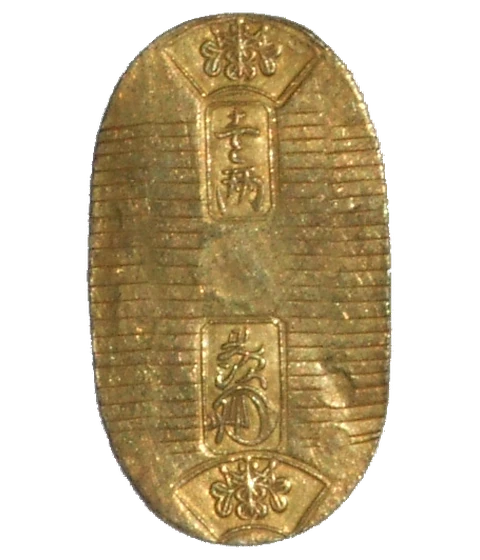
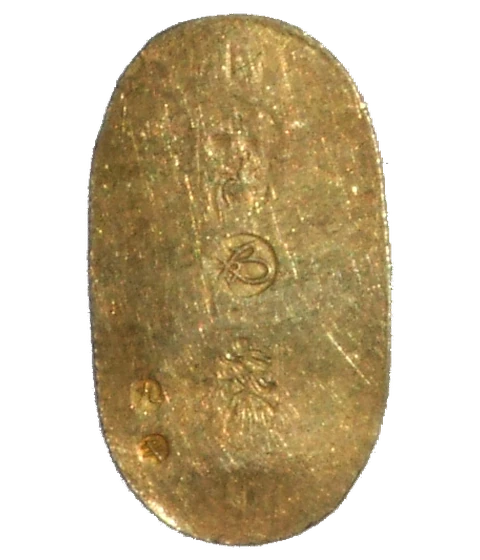
Silver-dollar exchange, conversion into domestic units, and gold export formed an incentive chain. Restrictions alone did not remove it, so the shogunate sharply reduced the gold content of the Koban.
Identification
How to classify the evidence
Separate mechanism, policy response, and later economic effects. Price change and political instability cannot be reduced to a single coin or decree.
Evidence boundary
What this page does not claim
No unsupported estimate of total exported gold is published.
Continue
Related transition references
Evidence
Sources and scope
These links support the claims on this page. Source authority does not imply permission to republish source images.
Treaty-port exchange, Mexican dollars, gold outflow, Man’en reform, transitional currency, and the 1871 decimal system.
Open sourceComparative gold-silver ratios and the Man’en Koban response.
Open source