Japan · c. 1854–1897
Bakumatsu and Early Meiji Coinage
Follow Japan’s monetary transformation from ryō, weighed silver, and mon through the treaty-port crisis to yen, sen, rin, and machine-struck coinage.
幕末・明治初期の貨幣
- Core routes
- 15
- Issue studies
- 12
- Cleared image pairs
- 10
- Indexable routes
- 27
Context
Historical and monetary setting
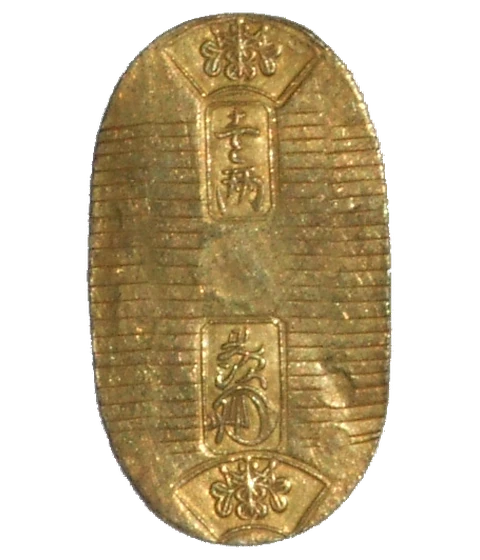
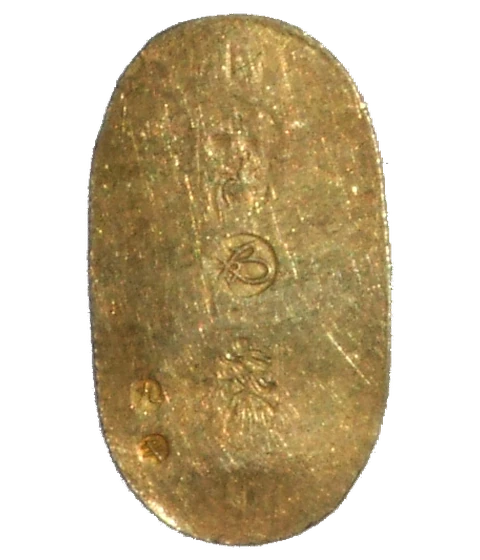
Foreign silver exchange exposed a sharp gold-silver mismatch. Ansei and Man’en emergency reforms reduced precious-metal content; the Meiji government then inherited a mixed currency environment before adopting the decimal yen system in 1871.
Identification
How to classify the evidence
Use the transition records to distinguish late Tokugawa continuation issues, emergency reforms, early Meiji ryō-based money, and modern decimal coins.
Evidence boundary
What this page does not claim
This phase stops at the monetary-standard transition. It does not implement later Meiji, Taishō, colonial, occupation, or commemorative catalogs.
System change
From Tokugawa units to modern coinage
- Ryō / Bu / Shu · monme silver · mon
- Foreign-trade crisis
- Ansei and Man’en recoinages
- Meiji transitional currency
- Yen / Sen / Rin
- Machine-struck modern coinage
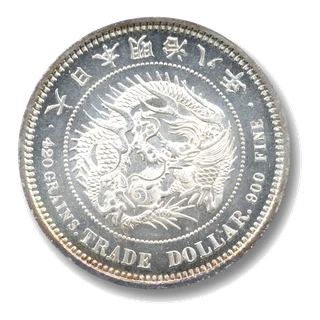
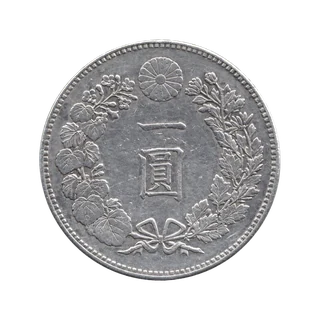
Continue
Related transition references
Evidence
Sources and scope
These links support the claims on this page. Source authority does not imply permission to republish source images.
Treaty-port exchange, Mexican dollars, gold outflow, Man’en reform, transitional currency, and the 1871 decimal system.
Open sourceOsaka mint establishment, modern machinery, institutional history, and coin standards.
Open source