Old gold and new gold standards
Early Meiji Gold Coinage
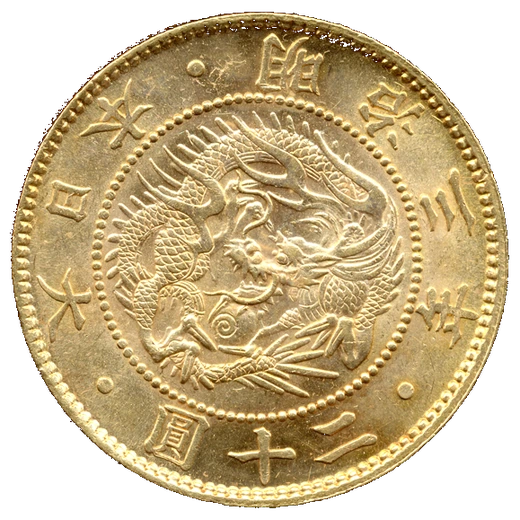
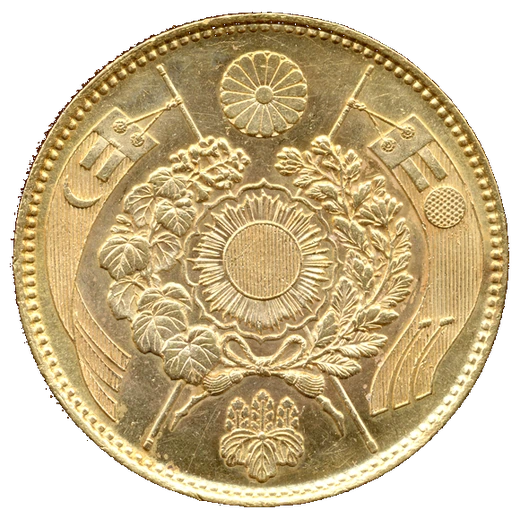
Early 1, 2, 5, 10, and 20 yen gold coins belong to the 1871 standard; reduced-size 1897 designs form a separate later family.
明治金貨
- Core routes
- 15
- Issue studies
- 12
- Cleared image pairs
- 10
- Indexable routes
- 27
Context
Historical and monetary setting
Machine-struck dragon gold embodied the first decimal standard. The later Coinage Law changed the gold definition and coin sizes, so old and new gold must not be merged.
Identification
How to classify the evidence
Check denomination, design generation, Meiji era date, mass, diameter, fineness, edge, and die details together.
Evidence boundary
What this page does not claim
No uncited annual mintage or price table is published.
Standards
Old gold and new gold are separate
| Image | Generation | Years | Denominations | Predecessor | Successor |
|---|---|---|---|---|---|
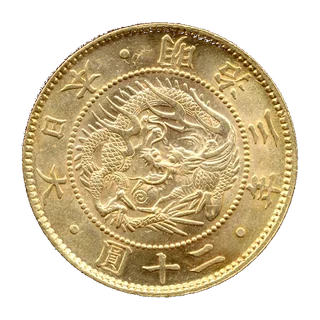
| old gold | 1870–1880 | 1 Yen, 2 Yen, 5 Yen, 10 Yen, 20 Yen | Tokugawa and early Meiji ryō-based gold | 1897 new gold coinage |
| Not available | new gold | 1897–1912 | 5 Yen, 10 Yen, 20 Yen | 1871 old gold coinage | later imperial gold coinage |
Continue
Related transition references
Evidence
Sources and scope
These links support the claims on this page. Source authority does not imply permission to republish source images.
Identification of early gold, silver, trade, rin, and sen coinage.
Open sourceOfficial museum comparison table for modern coin denominations and specifications.
Open sourceOsaka mint establishment, modern machinery, institutional history, and coin standards.
Open sourcePrimary legislative evidence for the later Meiji monetary-standard change.
Open source