Cross-country learning guide
Chopmarks: Merchant Evidence on Host Coins
A classification guide that separates merchant chops, assay marks, test cuts, graffiti, uncertain punches, and modern false marks.
- Routes
- 14
- Relationships
- 8
- Ports
- 8
- Status
- Published
Host first
A punch is evidence, not an automatic attribution
Authenticate date, mint, assayer, dies, metal, weight, and edge before classifying a mark. Character language alone does not identify a merchant, bank, port, or year.
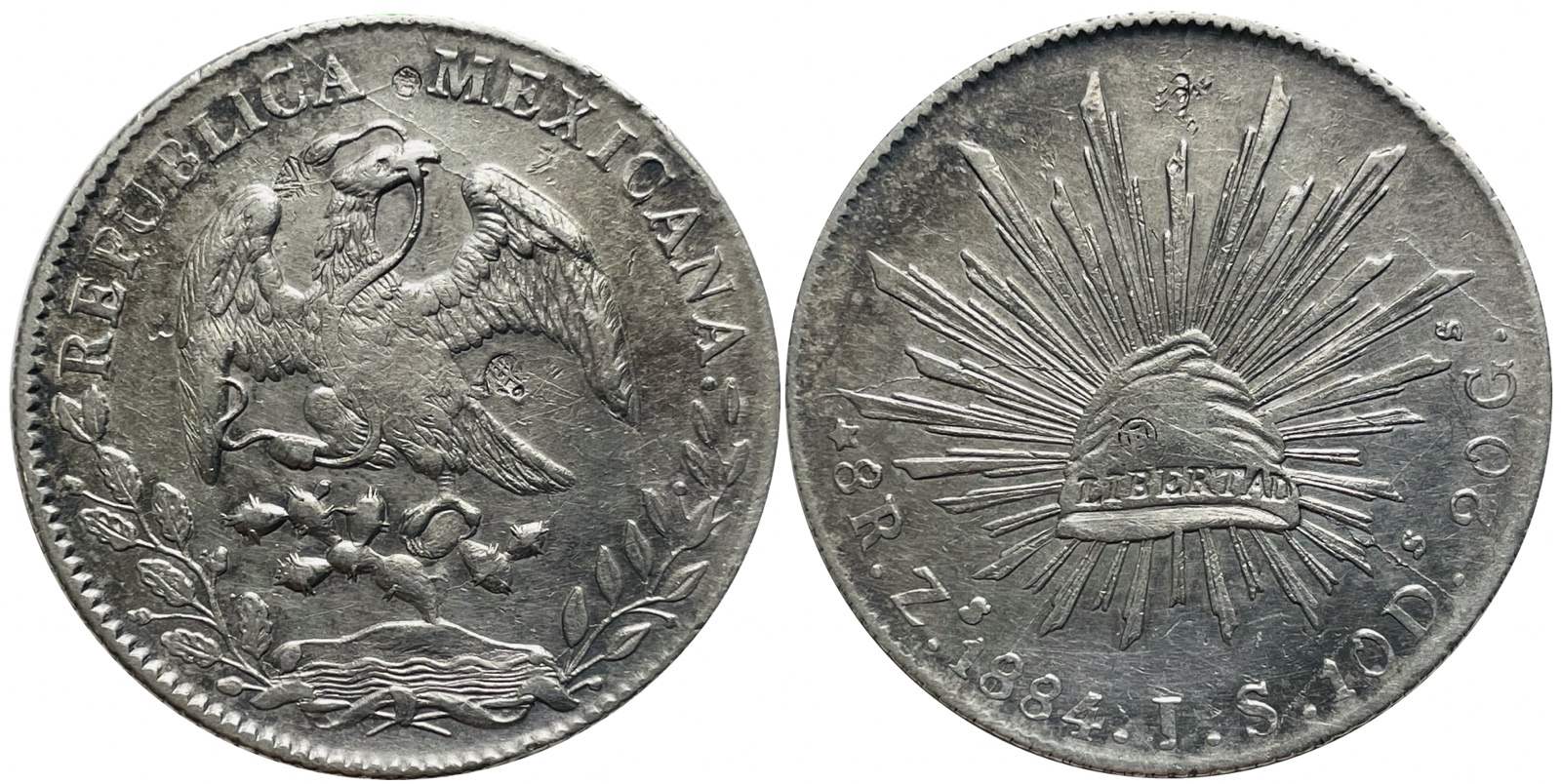
A private acceptance or identification punch attributed only when evidence supports a merchant context.
A mark associated with a money handler or bank; the individual institution must not be guessed.
A mark linked to testing or acceptance of metal quality, where evidence distinguishes it from damage.
A cut made to inspect metal; it is not automatically a chopmark and may be damage.
A readable-character punch whose language does not by itself identify the maker or date.
A non-character symbol or trademark-like punch requiring specimen-level attribution.
A displaced-metal impression not yet assigned to a safer historical class.
Scratched or engraved additions rather than a punched acceptance mark.
A visible mark whose maker, purpose, date, or method remains unresolved.
A suspected modern addition; never assigned as historical without specialist evidence.
Grading
Historically meaningful does not mean undamaged
Record chops, test cuts, edge filing, scratches, saltwater damage, cleaning, mounting, and graffiti separately. A mark may be historically important without increasing value.
Authentication
Host authenticity and mark authenticity are separate
Study punch form, displaced metal, wear relationship, patina continuity, altered dates, casting evidence, and repeated modern tooling. High-value marked coins merit professional authentication.
Source trail