Cross-country learning guide
East Asian Monetary Networks
A cross-country guide to silver coins, treaty ports, merchant testing, post-strike marks, and monetary reform without changing each coin's canonical identity.
- Routes
- 14
- Relationships
- 8
- Ports
- 8
- Status
- Published
Accessible network
Origins, exchange centers, circulation, and marks
Arrows show documented relationship directions, not a single pipeline or fixed border map.
- Origin where a coin was issued or minted
- Exchange center where value or customs treatment was negotiated
- Mark location a separate post-strike event when supported
Identity before movement
One coin, several relationships
The network explains movement without turning a Mexican coin into a Chinese issue or a Japan-minted foreign coin into a Japanese issue.
Keeps its issuing country, authority, type, date, mint, and issue ID.
Adds a dated jurisdiction relationship; it never creates a domestic issue.
A chop, official countermark, cut, or graffiti stays attached to the host.
Mint facility and client authority remain separate from the issuer and canonical country.
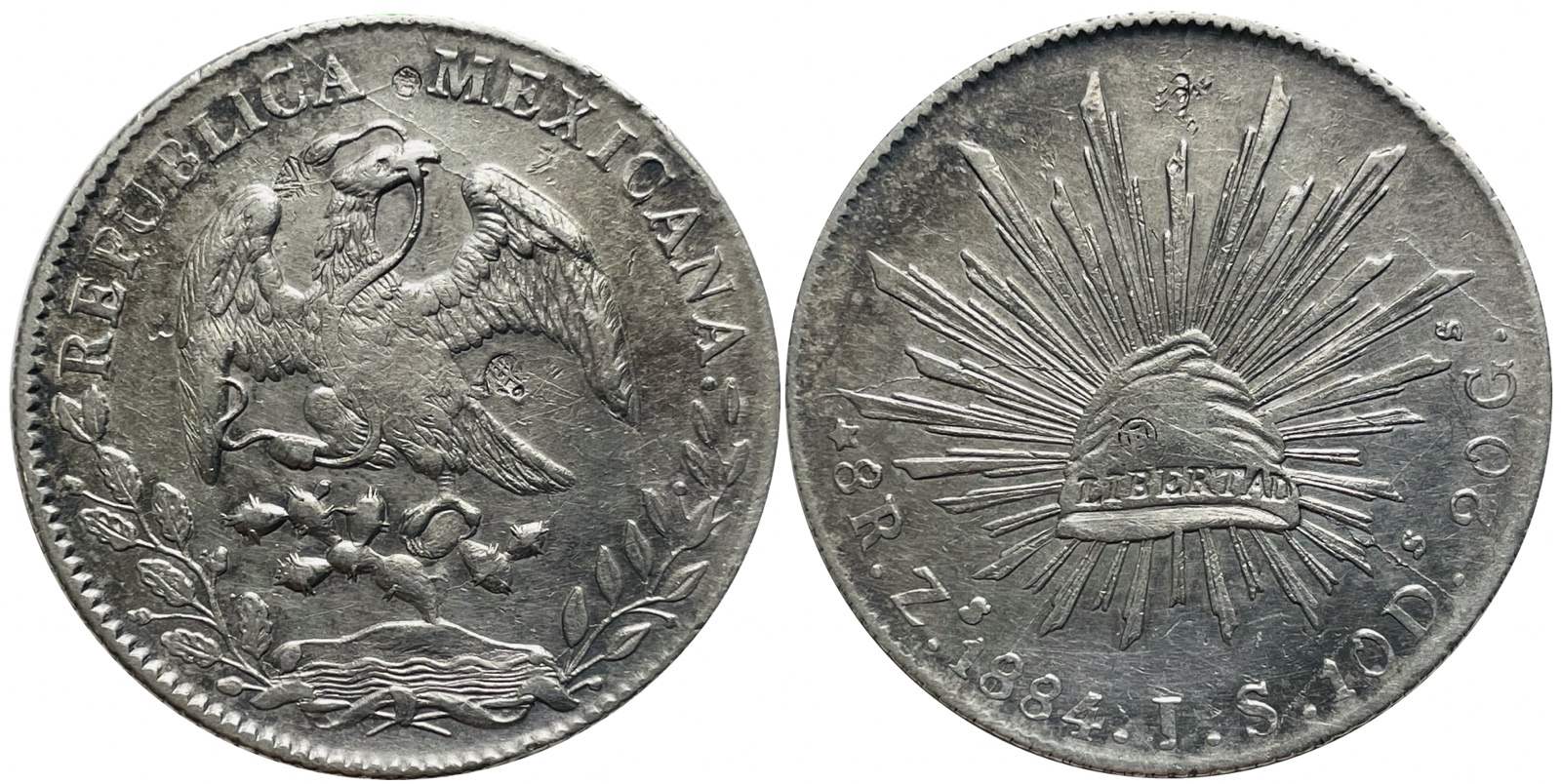
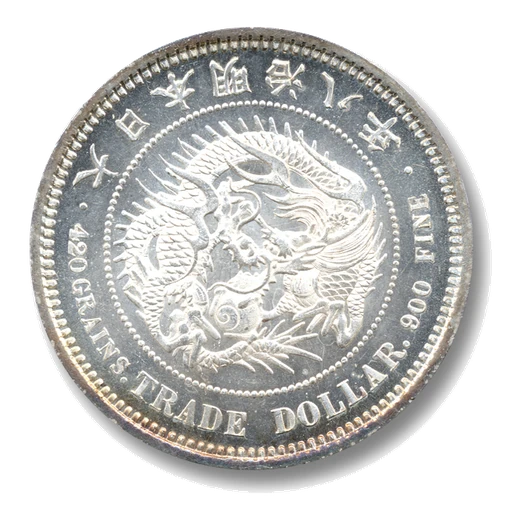
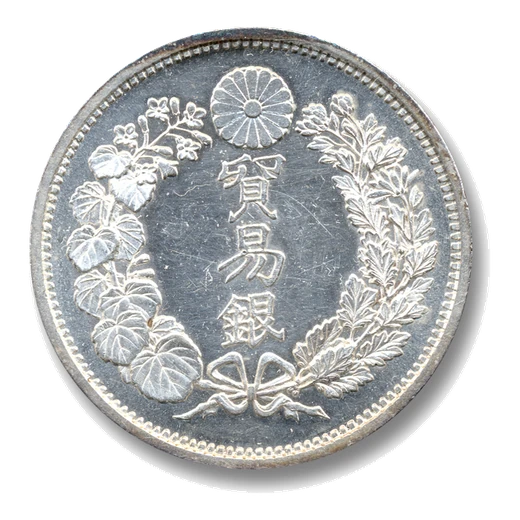
Representative hosts
Exact local assets first
The Chinese slot remains visibly pending rather than borrowing a neighboring coin.
Reading paths
Follow the relationship, then return to the host
A bounded chronology of Spanish-American, Mexican, Japanese, Chinese, Korean, Taiwan, and treaty-port silver contexts.
articleMexican 8 Reales in East AsiaWhy familiar Mexican silver dollars were weighed, tested, accepted, marked, and valued differently across East Asian places and dates.
articleJapanese Trade Yen in the NetworkNetwork context for Japan's 1875–1877 Trade Yen and its competition with established silver dollars.
articleChinese Silver CirculationA guide to silver by weight, foreign dollars, provincial and central coins, merchant acceptance, and the boundaries of a future China catalog.
articleKorea and Foreign SilverKorean reform, imported silver, machine-struck coinage, and external pressure presented through Korean canonical institutions and chronology.
articleTaiwan Trade and CurrencyQing-period foreign silver, treaty-port trade, Japanese colonial integration, and post-1945 transitions kept as separate monetary layers.
directoryTreaty-Port Silver DirectoryPorts included only where a source identifies a monetary role for foreign dollars, customs, exchange, or merchant testing.
articleChopmarks: Merchant Evidence on Host CoinsA classification guide that separates merchant chops, assay marks, test cuts, graffiti, uncertain punches, and modern false marks.
articleOfficial Countermarks and Legal EffectsHow an official validation or denomination mark differs from a private chop and remains a post-strike event on the host coin.
articleWeighing, Testing, and AssayingHistorical scales, assays, punches, ringing, cuts, and visual checks described without recommending destructive tests for collectibles.
articleSilver Standards ComparedA source-qualified comparison of nominal weight, fineness, calculated fine silver, and intended role without false precision.
articleTime-Bounded Currency ConversionDocumented official, treaty, bullion, and market relationships; explicitly not a universal historical converter.
articleCross-Border Minting and Technical ExchangeProduction facilities, client authorities, trials, and technical assistance kept separate from the issuing authority and canonical country.
Source trail