Cross-country learning guide
Mexican 8 Reales in East Asia
Why familiar Mexican silver dollars were weighed, tested, accepted, marked, and valued differently across East Asian places and dates.
- Routes
- 14
- Relationships
- 8
- Ports
- 8
- Status
- Published
Identity before movement
One coin, several relationships
The network explains movement without turning a Mexican coin into a Chinese issue or a Japan-minted foreign coin into a Japanese issue.
Keeps its issuing country, authority, type, date, mint, and issue ID.
Adds a dated jurisdiction relationship; it never creates a domestic issue.
A chop, official countermark, cut, or graffiti stays attached to the host.
Mint facility and client authority remain separate from the issuer and canonical country.
Canonical Mexico hosts
Recognizable silver did not mean universal acceptance
Weight, type familiarity, merchant testing, customs practice, and local preference could all affect acceptance. Every relationship below remains local and time-bounded.
| Host | Jurisdiction | Date | Legal context | Acceptance |
|---|---|---|---|---|
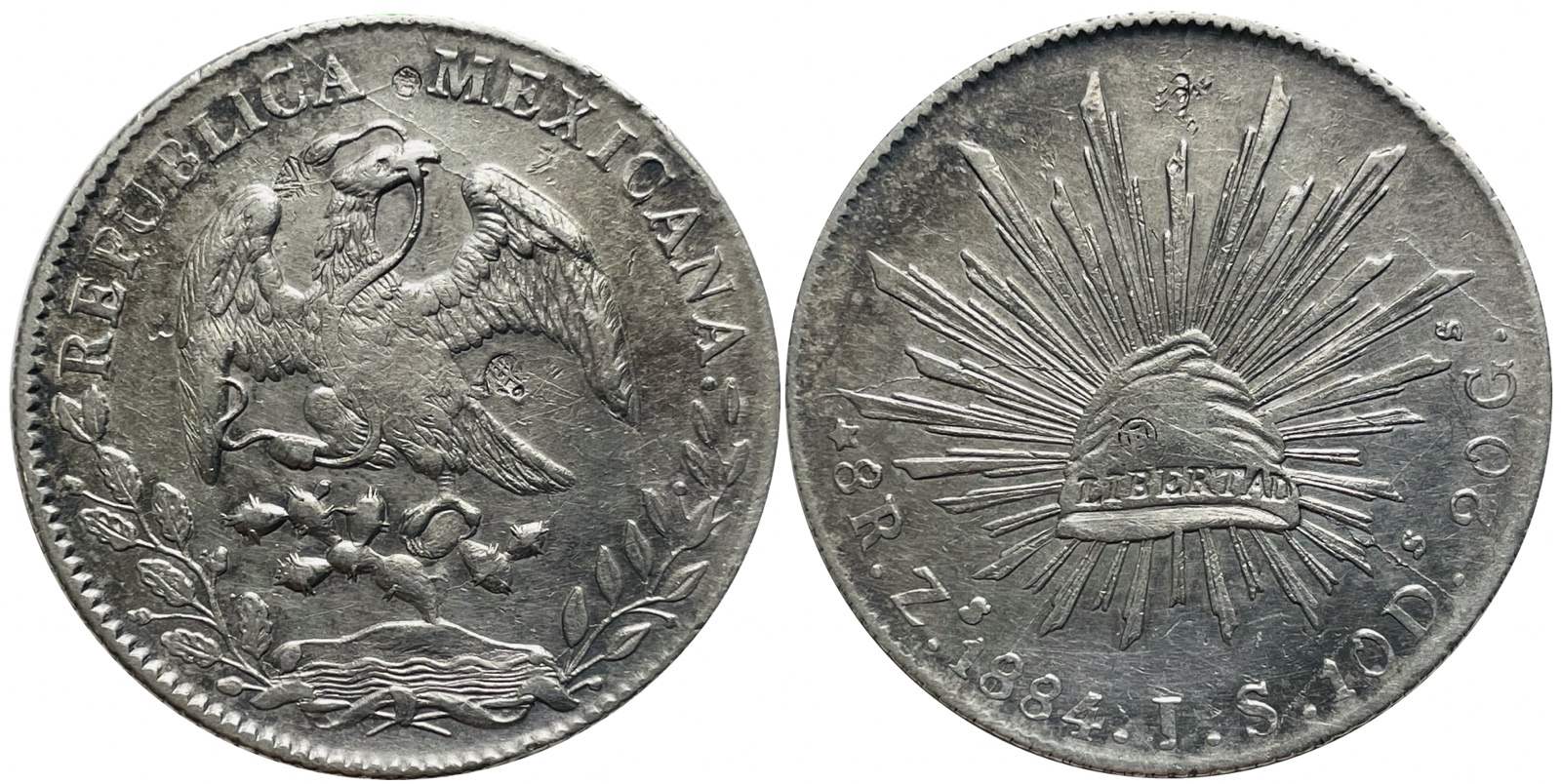
| mx-series-cap-rays-eight-reales | Qing China | 1850s–late 19th century; regional variation | Market and customs treatment varied by port and date | Often weighed or assayed; premiums and discounts varied |
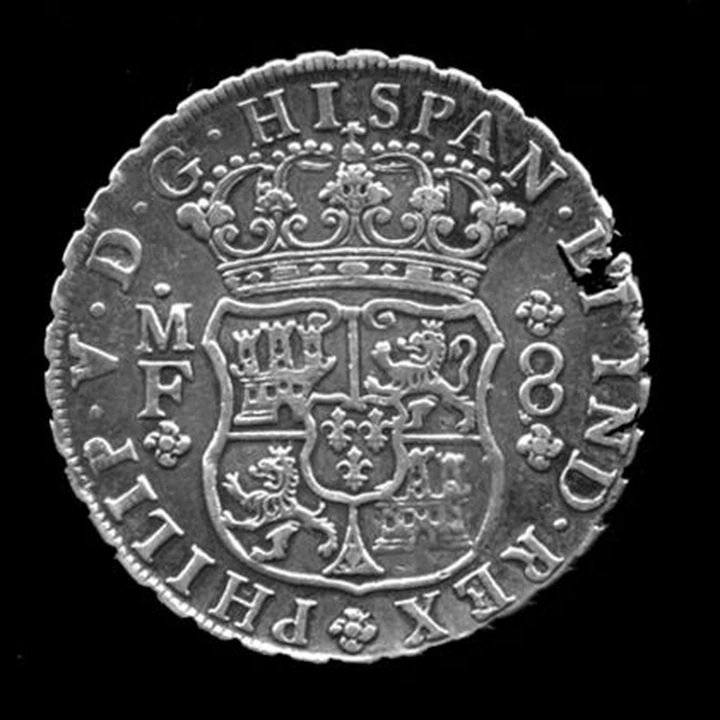
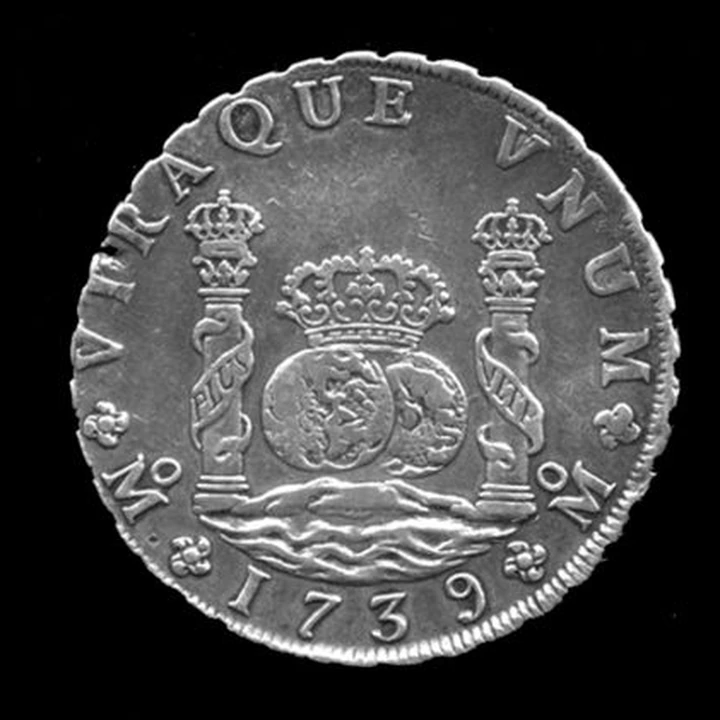
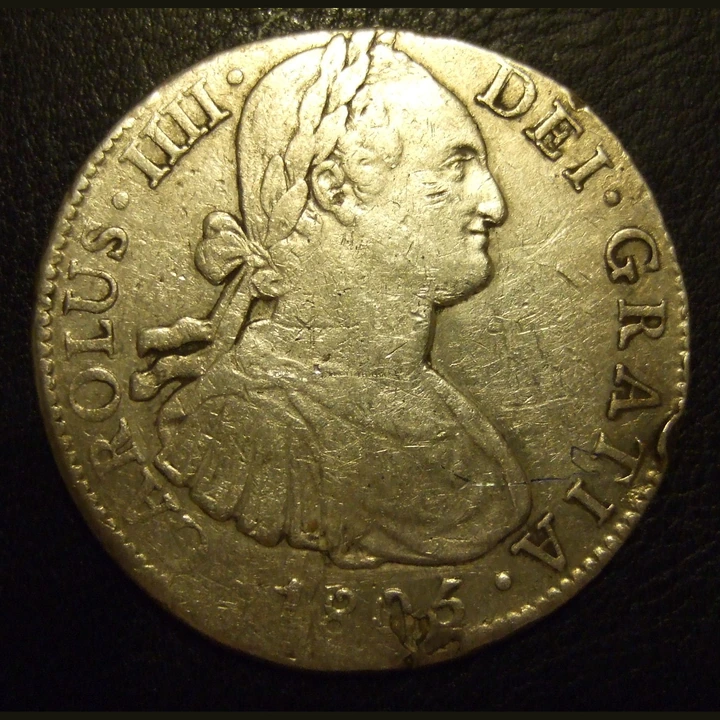
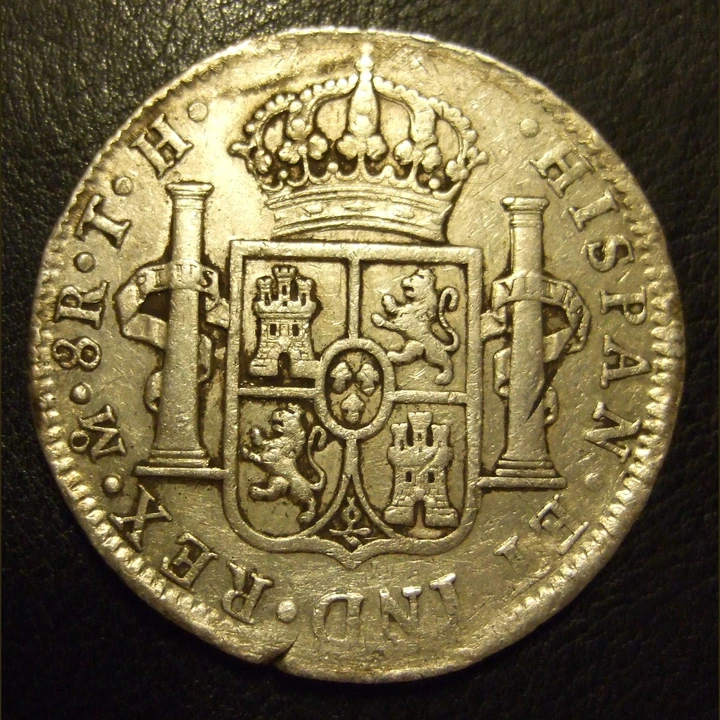
| mx-collection-spanish-colonial-eight-reales | China coast | 18th–19th century | Trade acceptance, not a Chinese domestic issue; New Spain authority remains historical context | Type and locality affected premium |
| mx-denom-eight-reales | Japan treaty ports | 1854–early Meiji context | Treaty and official exchange conventions changed over time | Counting, weight, and exchange convention |
| mx-series-cap-rays-eight-reales | Taiwan under Qing rule | 19th century | Foreign trade currency; not a Taiwan-issued coin | Valued by weight and recognized type |
Source trail