Dragon silver · one yen
Meiji Silver Yen
The Meiji Silver Yen links the New Currency Act, machine striking, dragon design, foreign trade, later standard changes, and Gin countermarks.
明治一円銀貨
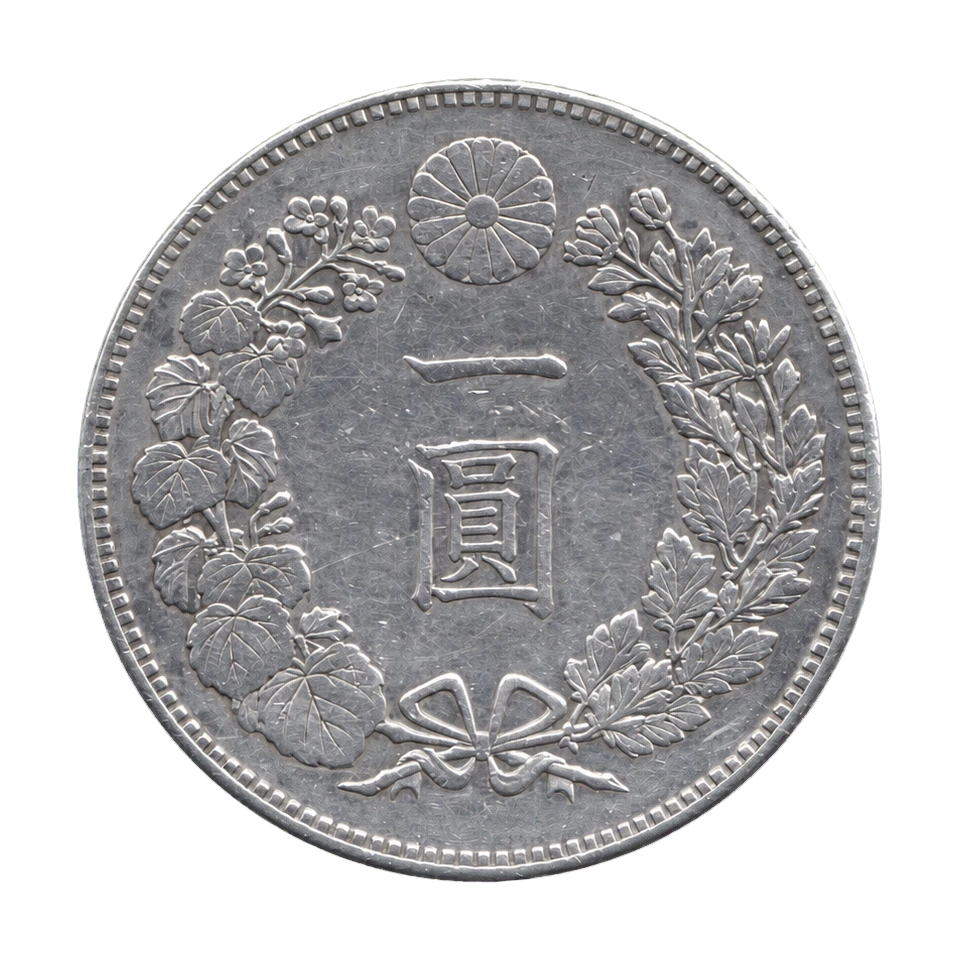
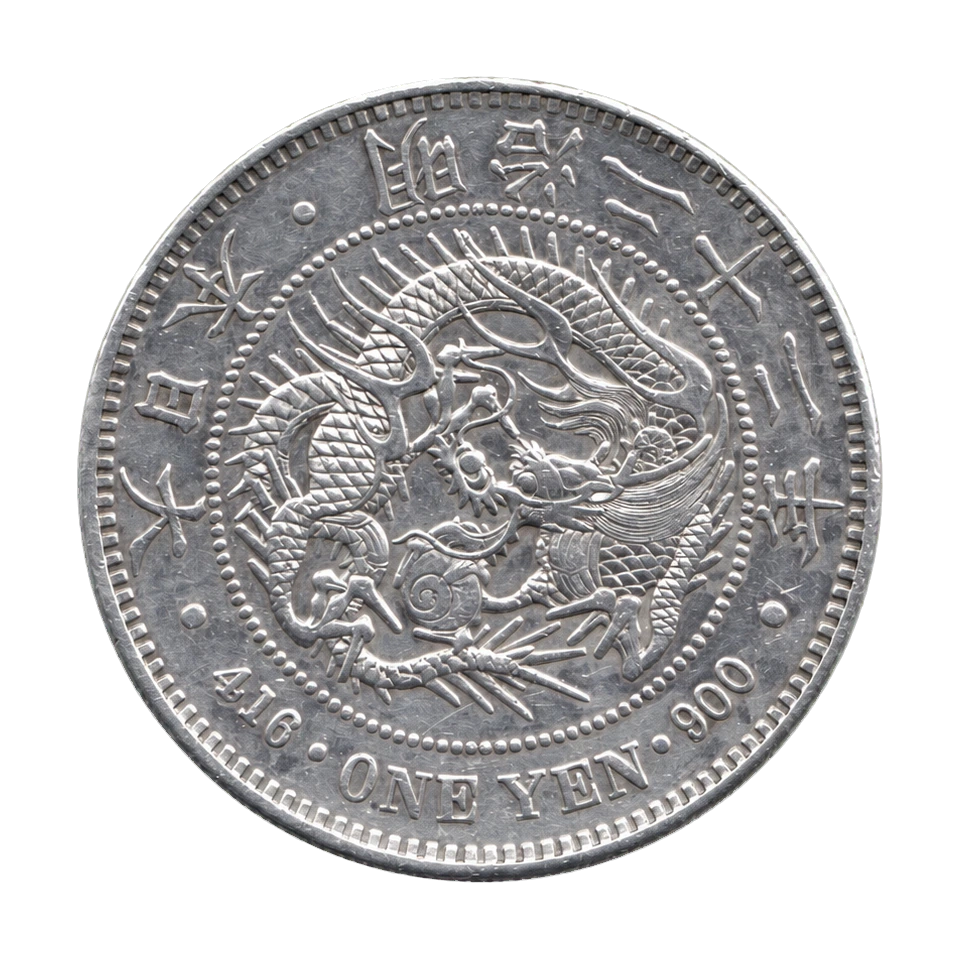
- Core routes
- 15
- Issue studies
- 12
- Cleared image pairs
- 10
- Indexable routes
- 27
Context
Historical and monetary setting
The silver yen’s monetary role changed across the Meiji period. Its 1897 domestic withdrawal and later production contexts must not be collapsed into one unchanging circulation claim.
Identification
How to classify the evidence
Read 明治 and the era year, then compare dragon, wreath, denomination, legends, mass, diameter, edge, and subtype. Copies are common.
Evidence boundary
What this page does not claim
Trade Yen is separate. A Gin mark is a post-strike event on a host coin, not a new base issue.
Silver roles
Subsidiary, yen, and trade identities
| Image | Series | Denominations | Purpose | Status |
|---|---|---|---|---|
| Not available | Early Meiji subsidiary silver | 5 Sen, 10 Sen, 20 Sen, 50 Sen | domestic decimal subsidiary coinage | review_required |
| Meiji Silver Yen | 1 Yen | silver yen with domestic and foreign-trade contexts that changed over time | review_required |
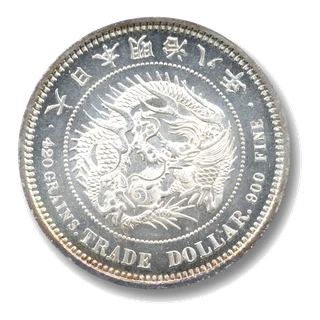
| Trade Yen | Trade Yen | A distinct trade coin intended to compete with Mexican silver dollars in East Asian settlement. | review_required |
Continue
Related transition references
Evidence
Sources and scope
These links support the claims on this page. Source authority does not imply permission to republish source images.
Official museum comparison table for modern coin denominations and specifications.
Open sourceDomestic withdrawal of the silver yen after the 1897 law and later production context.
Open sourceOsaka mint establishment, modern machinery, institutional history, and coin standards.
Open source