Korea catalog
Browse by period, authority, and denomination
A standalone, source-led catalog of Korean coinage from early money and cast cash through empire, colonial disruption, division, and the separate modern currencies of South and North Korea.
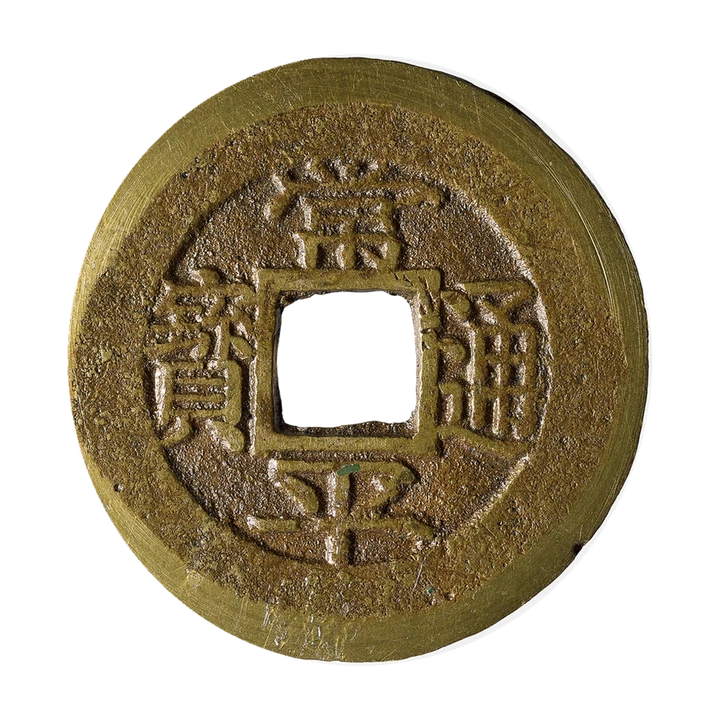 Early Korea and Joseon(4 branches)
Goryeo foundationsJoseon coinageSangpyeong TongboByeoljeon context
Early Korea and Joseon(4 branches)
Goryeo foundationsJoseon coinageSangpyeong TongboByeoljeon context
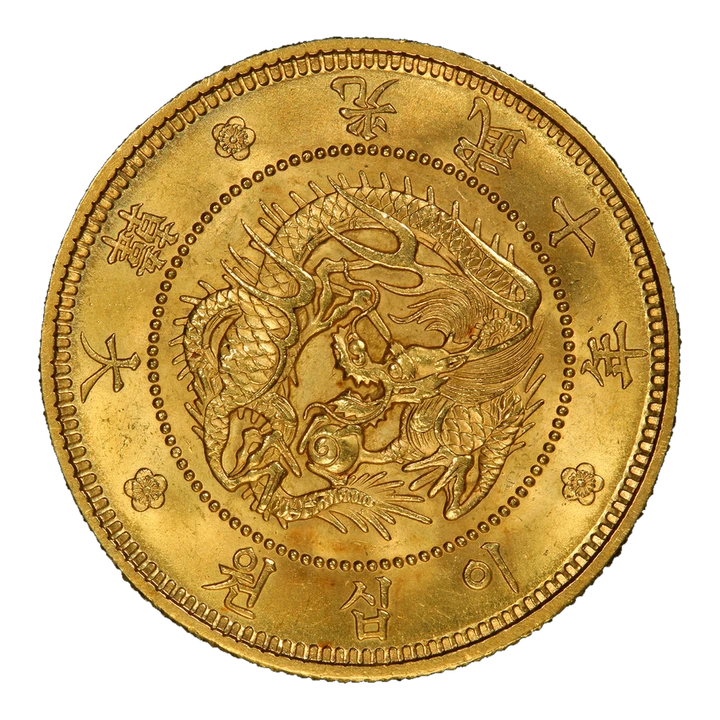 Korean Empire(4 branches)
Monetary reformMint networkMetal familiesColonial transition
Korean Empire(4 branches)
Monetary reformMint networkMetal familiesColonial transition
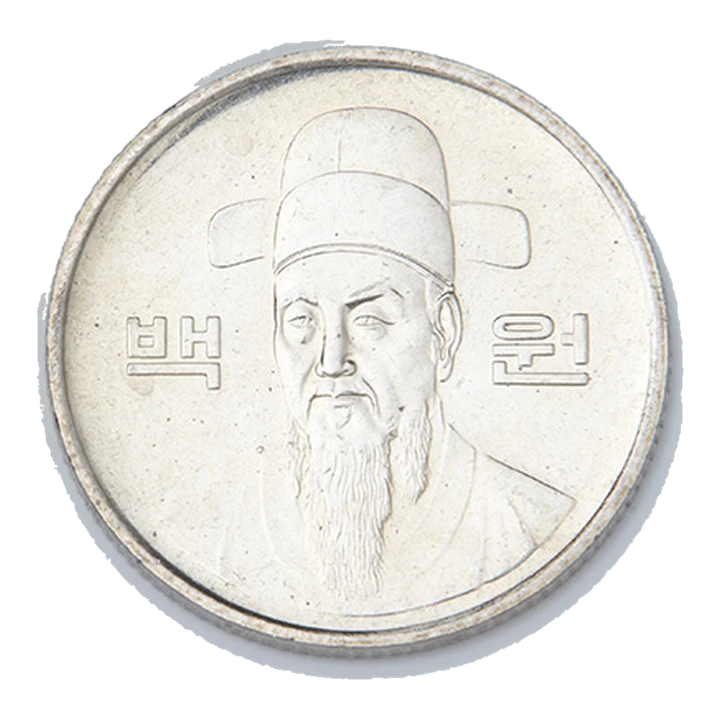 Republic of Korea(4 branches)
First wonHwan coinageSecond wonCurrent circulation
Republic of Korea(4 branches)
First wonHwan coinageSecond wonCurrent circulation
 South Korean commemoratives(4 branches)
Program catalogOlympic issuesAsian GamesCultural heritage
South Korean commemoratives(4 branches)
Program catalogOlympic issuesAsian GamesCultural heritage
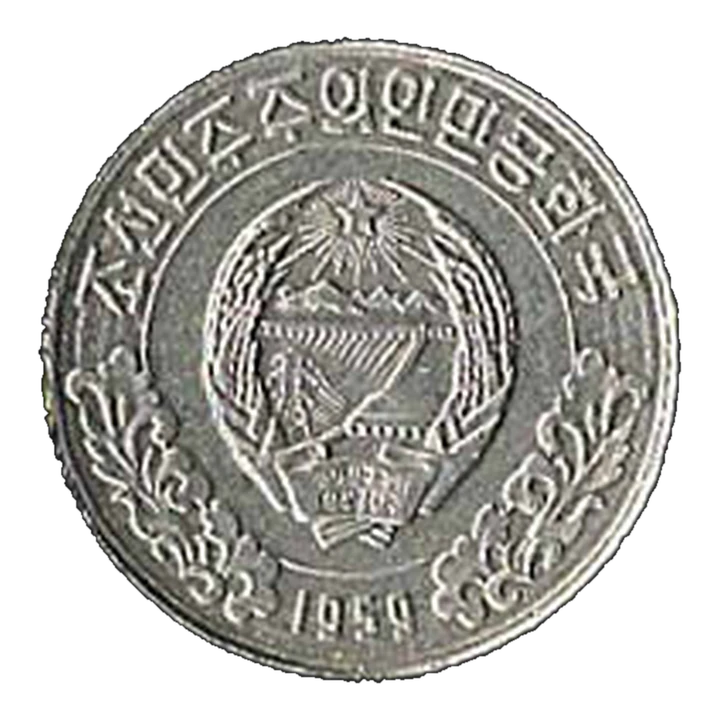 North Korean coinage(4 branches)
Monetary reformsCirculation evidenceDenominationsDate guide
North Korean coinage(4 branches)
Monetary reformsCirculation evidenceDenominationsDate guide
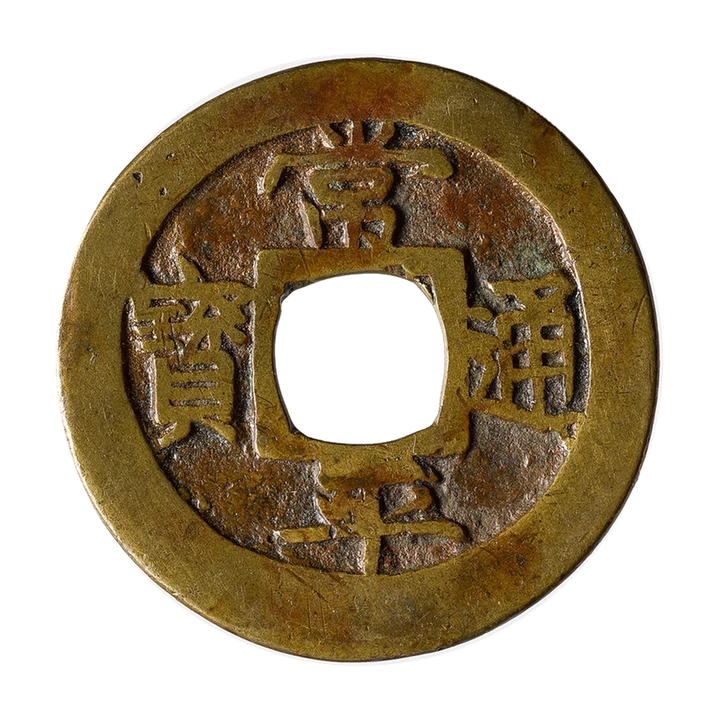 Catalog browse tools(5 branches)
Historical periodsDenominationsCoin formsMonetary systemsInscriptions
Catalog browse tools(5 branches)
Historical periodsDenominationsCoin formsMonetary systemsInscriptions
Thumbnail image sources and licenses
Each thumbnail is a named, rights-cleared identification example for its catalog branch; it does not represent every issue in that branch.
Shared Korean history through the separate modern state branches
Issuer, mint, controlling power, and jurisdiction remain distinct
Official Bank of Korea circulation specifications
Bilingual routes across historical and modern Korean coinage
Historical architecture
One shared history, two modern state branches
Premodern and Korean Empire objects remain part of shared Korean history. After 1945, Republic of Korea and DPRK authorities, systems, denominations, and issue evidence are never merged.
| Period | Korean | Dates | Catalog branch |
|---|---|---|---|
| Ancient and Three Kingdoms contexts | 고대와 삼국 시대 | Earlier–935 | /korea-coins/periods |
| Goryeo | 고려 | 918–1392 | /korea-coins/goryeo |
| Joseon | 조선 | 1392–1897 | /korea-coins/joseon |
| Korean Empire | 대한제국 | 1897–1910 | /korea-coins/korean-empire |
| Japanese colonial period | 일제강점기 | 1910–1945 | /korea-coins/japanese-colonial-period |
| Liberation and division | 광복과 분단 | 1945–1948 | /korea-coins/liberation-and-division |
| Republic of Korea: first won | 대한민국 제1차 원 | 1949–1953 | /korea-coins/south-korea/first-won |
| Republic of Korea: hwan | 대한민국 환 | 1953–1962 | /korea-coins/south-korea/hwan |
| Republic of Korea: second won | 대한민국 제2차 원 | 1962–present | /korea-coins/south-korea/second-won |
| Democratic People's Republic of Korea | 조선민주주의인민공화국 | 1947–present | /korea-coins/north-korea |
Authority and unit
Political control does not define coin ownership
Legal jurisdiction, controlling power, issuer, note bank, central bank, producing mint, and canonical catalog are stored independently.
| System | Jurisdiction | Unit model | Dates | Conversion |
|---|---|---|---|---|
| Goryeo mixed money system | korea-pre-1945 | cast cash, silver and commodity monies | Earlier–1392 | — |
| Joseon mun and cast-cash system | korea-pre-1945 | mun; office and value-class layers | Earlier–1894 | — |
| Yang decimal reform system | korea-pre-1945 | 1 yang = 10 jeon = 100 pun | 1894–1905 | 1 yang = 10 jeon = 100 pun |
| Korean Empire won system | korea-pre-1945 | 1 won = 100 jeon | 1905–1910 | 1 won = 100 jeon |
| Chosen yen system | korea-japanese-rule | Japanese yen coins with territory-specific banknotes | 1911–1945 | parity with Japanese yen |
| First South Korean won | south-korea | won; Bank of Korea coinless issue layer | 1950-06-12–1953-02-16 | — |
| South Korean hwan | south-korea | 1 hwan = 100 jeon | 1953-02-17–1962-06-09 | 100 first won = 1 hwan |
| Second South Korean won | south-korea | 1 won = 100 jeon | 1962-06-10–present | 10 hwan = 1 won |
| North Korean won | north-korea | won and chon | 1947–present | — |
Denomination model
Similar translations do not merge distinct systems
Mun, pun, jeon, yang, hwan, and won are linked to the legal and historical system in which they operated.
| Denomination | Korean | Hanja | System IDs |
|---|---|---|---|
| Mun | 문 | 文 | kr-system-joseon-mun |
| 2 mun | 2문 | 當二 | kr-system-joseon-mun |
| 5 mun | 5문 | 當五 | kr-system-joseon-mun |
| 100 mun | 100문 | 當百 | kr-system-joseon-mun |
| Pun | 푼 | 分 | kr-system-empire-yang |
| Jeon | 전 | 錢 | kr-system-empire-yang, kr-system-empire-won |
| Yang | 양 | 兩 | kr-system-empire-yang |
| Hwan | 환 | 圜 | kr-system-south-hwan |
| South Korean won | 원 | 圓 | kr-system-south-first-won, kr-system-south-second-won |
| North Korean won | 원 | 圓 | kr-system-north-won |
Object form
Manufacture changes the evidence
Cast square-holed cash, formed silver money, machine-struck coins, and foreign hosts require different attribution and grading methods.
| Form | Korean | Geometry | Production |
|---|---|---|---|
| Round cast coin with square hole | 원형 방공 주화 | round-square-hole | cast |
| Round machine-struck coin | 원형 압인 주화 | round | struck |
| Silver bottle money | 은병 | vessel-shaped | cast-or-formed |
| Foreign host coin used in Korea | 외국 주화 | host-preserved | various |
Relationship layer
Foreign coins retain host identity
Circulation, merchant acceptance, testing, countermarking, or colonial use can be documented without duplicating a host coin as a Korean issue.
| Context | Host identity | Evidence | Identity rule |
|---|---|---|---|
| Chinese cash coins in Korean markets | china | institutional-context | Chinese host identity is preserved; circulation does not create a Korean issue. |
| Spanish and Mexican silver in late Joseon trade | mexico-spain | research-required | Host coin and countermark identities remain separate. |
| Japanese metropolitan coins in colonial Korea | japan | institutional | Japanese coins retain Japanese issue identity; Korea records the circulation relationship. |
Reading guide
Retain the original inscription before conversion
Hangul and Hanja names, Gwangmu and Yunghui era dates, Gregorian years, and Juche inscriptions remain visible beside normalized dates.
| System | Korean | Hanja | Conversion | Boundary |
|---|---|---|---|---|
| Gwangmu era | 광무 | 光武 | Gregorian year = era year + 1896 | Gwangmu year 1 is 1897. |
| Yunghui era | 융희 | 隆熙 | Gregorian year = era year + 1906 | Yunghui year 1 is 1907. |
| Gregorian year | 서기 | — | — | Modern South Korean coins use Gregorian years. |
| Juche year | 주체 | 主體 | Gregorian year = Juche year + 1911 | Juche dating is interpreted only when the inscription is present; pre-1997 DPRK catalog dates must not be retroactively relabeled. |
Continue browsing
Related Korea encyclopedia routes
All routes retain independent evidence and publication gates.
A chronological browser that keeps shared Korean history and post-1945 state branches explicit.
denominations Korean Coin DenominationsMun, pun, jeon, yang, hwan, and won are tied to their own monetary systems instead of flattened into one value ladder.
coin forms Korean Coin Forms and ManufactureCast square-holed cash, formed silver money, foreign hosts, and machine-struck coins require different identification methods.
systems Korean Monetary SystemsA relationship map of units, issuing authorities, reforms, and transitions without treating every object used in Korea as a Korean issue.
foreign coins Foreign Coins Used in KoreaChinese cash, trade silver, and Japanese metropolitan coins retain their host identities while their Korean circulation is documented as a relationship.
goryeo Goryeo CoinageA cautious overview of court coin experiments, inscribed cash, silver bottle money, and the continuing role of commodity and foreign money.
joseon Joseon CoinageJoseon coinage is organized around authority, casting institutions, value classes, and monetary change rather than a flat date list.
colonial transition Japanese Colonial Monetary Disruption in KoreaA Korean-canonical transition page distinguishing Japanese political control, Bank of Chosen notes, Japanese metropolitan coins, and surviving Korean Empire money.
liberation Liberation, Currency Transition, and DivisionA transition map from the end of colonial rule to separate South and North Korean authorities and currencies.
north korea North Korean CoinageA conservative DPRK catalog foundation that separates verified state currency from uncertain commercial and collector issues.
date guide Korean Coin Date and Inscription GuideRead Hangul, Hanja, Gwangmu, Yunghui, Gregorian, and Juche inscriptions without forcing one dating system across every Korean coin.
Sources
Institutional evidence for this page
Source links support the stated scope; they do not license unsourced varieties, market values, or image reuse beyond recorded terms.
Korean monetary-history materials
national-history-institution · 2026-07-31
Open sourceHistory of Korean Currency, 1950–2005
official-currency-timeline · 2026-07-31
Open sourceUnknown dates, mintages, annual manufacturing, attributions, legal status, and image identity remain unavailable. They never become zero or a confident claim. No market prices are published in this foundation.