Standalone Korea Coin Encyclopedia
Gwangmu and Yunghui Coin Date Guide
Retain the original era inscription while converting legible Gwangmu and Yunghui dates to Gregorian years.
대한제국 화폐 · 大韓帝國貨幣
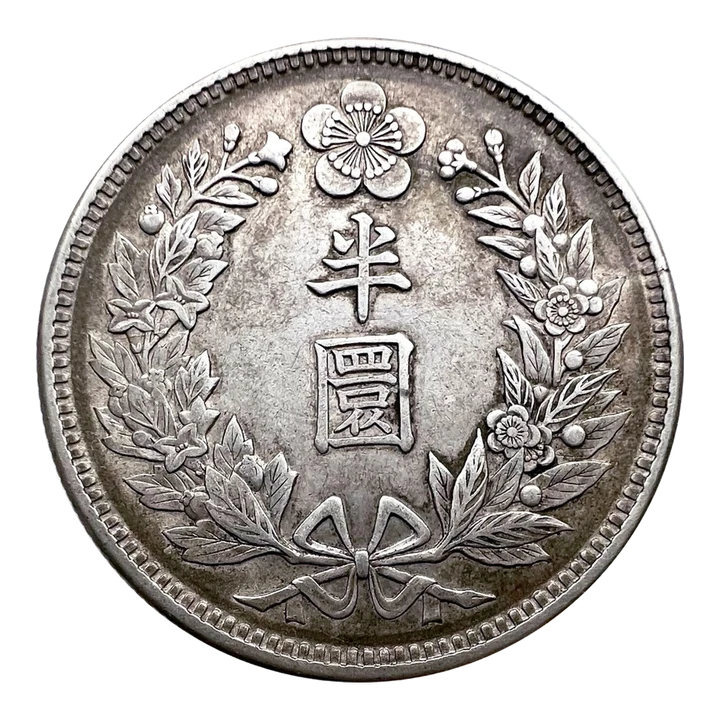
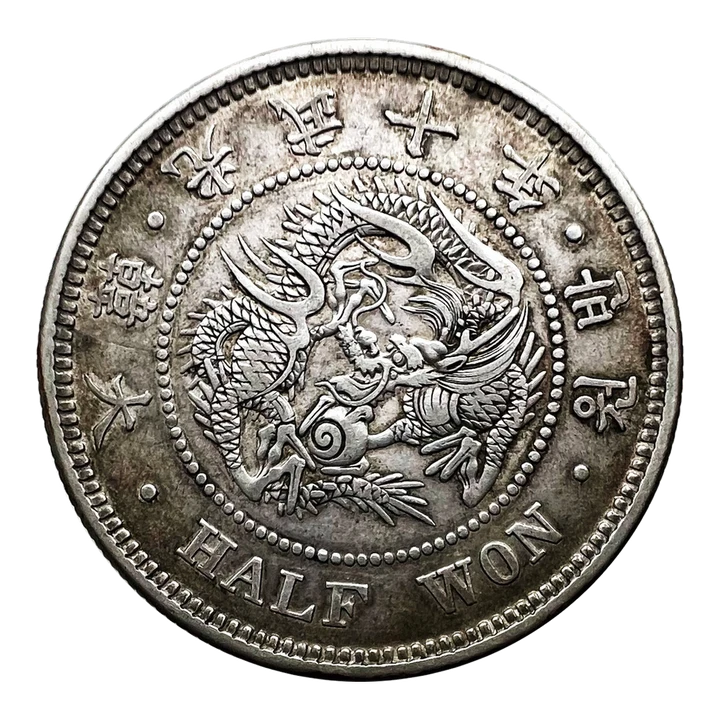
- Systems
- 3
- Denominations
- 14
- Canonical issuer
- Korean Empire
- Publication
- Published
Sovereign identity
Korean reform is not reduced to foreign pressure
The catalog preserves Korean institutional agency while documenting international standards, foreign advisers, contract production, Japanese financial influence, and the later loss of monetary sovereignty.
Reform sequence
Yang and won systems have distinct legal structures
Authorization, implementation, manufacture, custody, issue, circulation, and colonial replacement are separate events.
| System | Dates | Base unit | Subunits | Standard | Legal basis |
|---|---|---|---|---|---|
| Late Joseon hwan and mun modernization issues | 1888–1892 | hwan or mun by issue | — | transitional | institutional object evidence; complete legal instrument register pending |
| Yang-based modern system | 1892–1905 | yang | jeon, pun | silver-standard framework after 1894 regulation; subsidiary nickel and copper | 1894 New Currency Issuance Regulations |
| Korean Empire won system | 1905–1910 | won | jeon, rin | gold-standard framework with silver, nickel, and bronze subsidiary coins | 1905 implementation of the 1901 currency framework |
New Currency Issuance Regulations defined a yang-based modern denomination structure.
A gold-standard framework was declared in 1901 and implemented through 1905 coinage regulations; authorization and actual circulation are not conflated.
Annexation ended Korean imperial monetary sovereignty; colonial legislation and circulation changes are tracked without making earlier Korean coins Japanese.
Era-date model
Original inscription stays beside the Gregorian date
Gwangmu year = era year + 1896; Yunghui year = era year + 1906. Conversion never removes 光武 or 隆熙 from the catalog record.
| Era | Korean | Hanja | Dates | Offset | Boundary |
|---|---|---|---|---|---|
| Gwangmu | 광무 | 光武 | 1897–1907 | +1896 | 元年 where used; retain original inscription |
| Yunghui | 융희 | 隆熙 | 1907–1910 | +1906 | 元年 where used; retain original inscription |
Continue browsing
Related Korea encyclopedia routes
All routes retain independent evidence and publication gates.
A sovereign Korean coinage system shaped by domestic reform, modern minting, international standards, foreign production, and mounting external pressure.
empire mints Korean Empire Mints and FacilitiesIssuing authority, production authority, Korean facility, foreign facility, and mintmark evidence are displayed independently.
empire foreign production Foreign Production of Korean Empire CoinsOsaka production is a manufacturing relationship, not a reassignment of Korean coin identity.
empire metal Korean Empire Copper and Bronze CoinsCopper and bronze subsidiary issues across changing unit systems, with alloy claims tied to individual sources.
empire metal Korean Empire Nickel and Cupronickel CoinsCupronickel reform coinage and the fiscal problems of overissued subsidiary money.
empire metal Korean Empire Silver CoinsYang- and won-system silver denominations with issue-specific fineness, weight, facility, and production evidence.
empire metal Korean Empire Gold CoinsGold-standard coinage with legal authorization, manufacture, custody, issue, and circulation treated as separate evidence states.
empire patterns Korean Empire Trials and PatternsA gated research register separating proposed, trial, pattern, manufactured, and circulating objects.
empire transition From Korean Empire Coinage to Colonial CurrencyA transition account that preserves Korean institutional agency and issue identity while documenting the loss of monetary sovereignty.
empire grading Grading Korean Empire CoinsMetal-specific grading separates wear, strike, planchet, cleaning, corrosion, and casting or machine-production artifacts.
empire authentication Authenticating Korean Empire CoinsCheck weight, diameter, alloy, edge, era inscription, denomination, mint evidence, and alteration without authenticating from an image alone.
empire collecting Collecting Korean Empire CoinsCollect by reform system, denomination, metal, era, or verified mint relationship while treating scarce gold and patterns conservatively.
Sources
Institutional evidence for this page
Source links support the stated scope; they do not license unsourced varieties, market values, or image reuse beyond recorded terms.
Gwangmu and Yunghui chronology
national-history-institution · 2026-07-31
Open sourceUnknown dates, mintages, annual manufacturing, attributions, legal status, and image identity remain unavailable. They never become zero or a confident claim. No market prices are published in this foundation.