Standalone Korea Coin Encyclopedia
Bank of Korea Hwan Coins
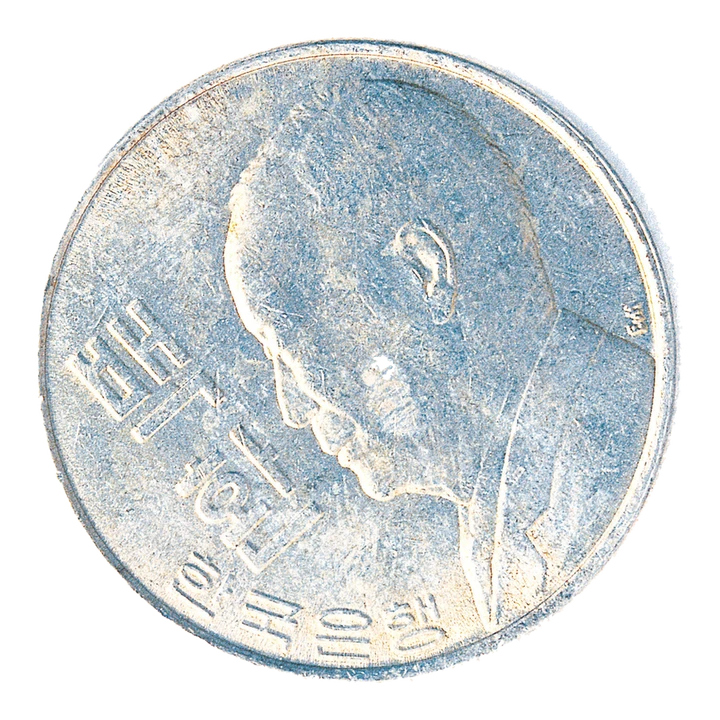
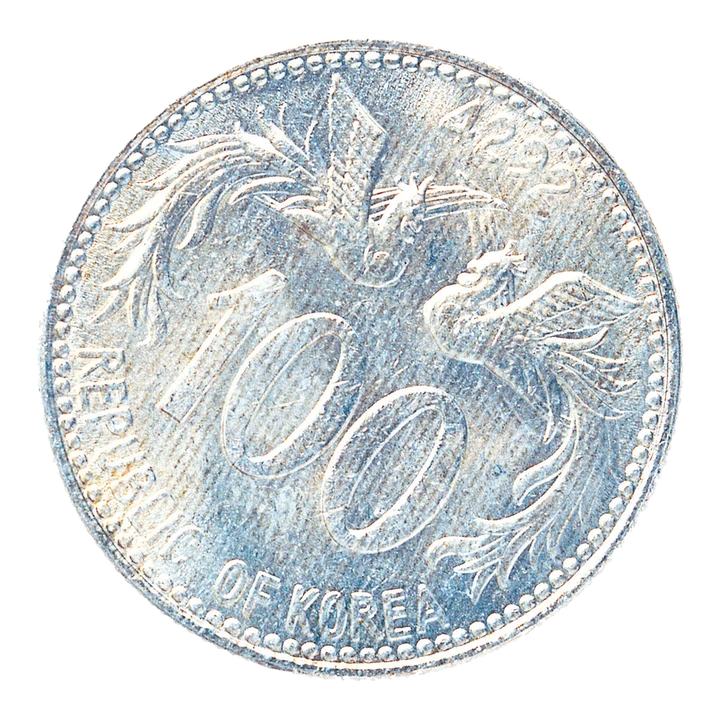
The 10, 50, and 100 hwan coins introduced in 1959 and manufactured in Philadelphia, with issue and withdrawal status recorded independently.
대한민국 주화 · 大韓民國鑄貨
- Modern systems
- 3
- Current denominations
- 6
- Official status check
- 2026-07-31
- Publication
- Published
Authority model
Bank of Korea issues; KOMSCO manufactures
The Bank of Korea controls official specifications, issue history, and legal status. KOMSCO is the production authority; manufacture, delivery, issue, and circulation remain distinct.
Currency sequence
First won, hwan, and second won are separate systems
Political transition, central-bank establishment, currency conversion, first coin issue, temporary use, and withdrawal are dated separately.
liberation Colonial rule ended, but currency succession was not instantaneous; political liberation and monetary replacement are separate events.
central bank establishment The Bank of Korea was established and inherited the issue responsibilities described in its official timeline.
currency reform The hwan replaced the first won at 100 to 1.
first bank of korea coins The first Bank of Korea coins were the 10 and 50 hwan on October 20 and the 100 hwan on October 30; all were manufactured at the Philadelphia Mint.
currency reform The second won replaced hwan at 10 to 1. New won notes appeared before new won coins; selected hwan coins temporarily circulated at one-tenth face value.
first second won coins The Bank of Korea introduced 1, 5, and 10 won coins, ending the coinless opening years of the second-won issue layer.
| System | Korean | Dates | Base | Coin issue status |
|---|---|---|---|---|
| First South Korean won | 제1차 원 | 1950-06-12–1953-02-16 | won | Bank of Korea issued no new first-won coins |
| South Korean hwan | 환 | 1953-02-17–1962-06-09 | hwan | 10, 50, and 100 hwan coins issued in 1959 |
| Second South Korean won | 제2차 원 | 1962-06-10–present | won | Six current coin denominations were introduced between 1966 and 1982; later design generations remain legal tender where the Bank of Korea lists them. |
First Bank of Korea coins
The 1959 hwan coins were manufactured in Philadelphia
Manufacturing abroad does not change Republic of Korea issue identity. Issue date, temporary second-won value, and final withdrawal remain separate.
| Coin | Korean | Issue | Withdrawn | Design | Composition | Weight | Diameter |
|---|---|---|---|---|---|---|---|
| 10 hwan | 십환 | 1959-10-20 | 1975-03-22 | Rose of Sharon (Mugunghwa) | copper 95%, zinc 5% | 2.46 g | 19.1 mm |
| 50 hwan | 오십환 | 1959-10-20 | 1975-03-22 | Turtle ship | copper 70%, zinc 18%, nickel 12% | 3.69 g | 22.86 mm |
| 100 hwan | 백환 | 1959-10-30 | 1962-06-10 | President Syngman Rhee portrait | copper 75%, nickel 25% | 6.74 g | 26 mm |
Continue browsing
Related Korea encyclopedia routes
All routes retain independent evidence and publication gates.
A Bank of Korea–controlled encyclopedia from the coinless first-won issue layer through hwan and all six second-won coin denominations.
south current South Korean Current Circulation CoinsOfficial specifications and legal status for 1, 5, 10, 50, 100, and 500 won, with valid-old designs and annual manufacturing kept distinct.
south denomination South Korea 500 WonThe red-crowned crane 500 won coin introduced in 1982, with official dimensions, alloy, edge, and legal status.
south transition South Korea's Liberation and Currency TransitionFrom liberation and inherited money to the Bank of Korea, first won, hwan, and second won, with each legal transition dated separately.
south first won First South Korean WonA Bank of Korea monetary system whose new issue layer was banknote-based; it does not gain a fabricated coin series merely because older coins circulated in the transition.
south hwan South Korean HwanThe 1953–1962 hwan system, its 100-to-1 reform from the first won, and its three 1959 coin denominations.
south second won Second South Korean WonThe post-1962 won system, separating legal tender, denomination status, design generation, manufacture, issue, proof, and set distribution.
south denomination South Korea 1 WonThe aluminum Mugunghwa denomination, current official specification, legal generations, and documented issue cessation for the earliest generation.
south denomination South Korea 5 WonThe brass turtle-ship denomination across its Bank of Korea design generations.
south denomination South Korea 10 WonDabotap from the larger brass generations to the current copper-clad aluminum coin introduced in 2006.
south denomination South Korea 50 WonThe rice-stalk denomination introduced in 1972 and revised in 1983.
south denomination South Korea 100 WonThe Admiral Yi Sun-Shin denomination from the 1970 introduction to the smaller 1983 generation.
south date guide South Korean Coin Date and Inscription GuideRead Hangul country names, won denominations, Arabic numerals, Gregorian years, and generation context on Republic of Korea coins.
south commemoratives South Korean Commemorative Coinage FoundationIssuer, producer, approval, par-versus-premium issue, legal tender, and collector distribution are separated before Phase 5 issue research.
Sources
Institutional evidence for this page
Source links support the stated scope; they do not license unsourced varieties, market values, or image reuse beyond recorded terms.
History of Korean Currency, 1953–1962
official-timeline · 2026-07-31
Open sourceKorean Currency Manufactured Abroad after Liberation
official-production-history · 2026-07-31
Open sourceWithdrawn Currencies
official-withdrawal-status · 2026-07-31
Open sourceUnknown dates, mintages, annual manufacturing, attributions, legal status, and image identity remain unavailable. They never become zero or a confident claim. No market prices are published in this foundation.