Issued, prepared, and unverified
Emergency Coin Materials
Compare issued aluminum, tin, and tin-zinc types with unissued ceramic preparation and the unverified domestic-iron claim.
非常用貨幣材料
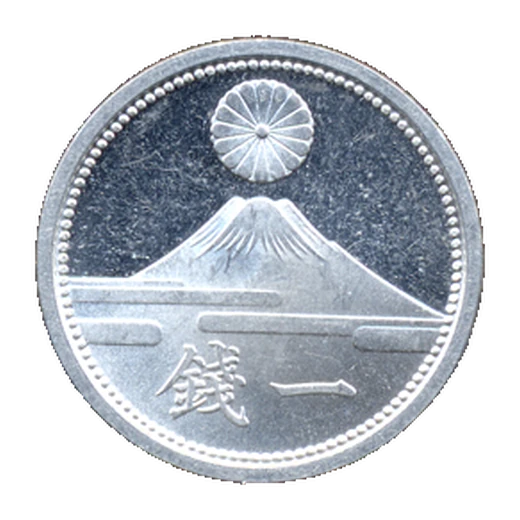
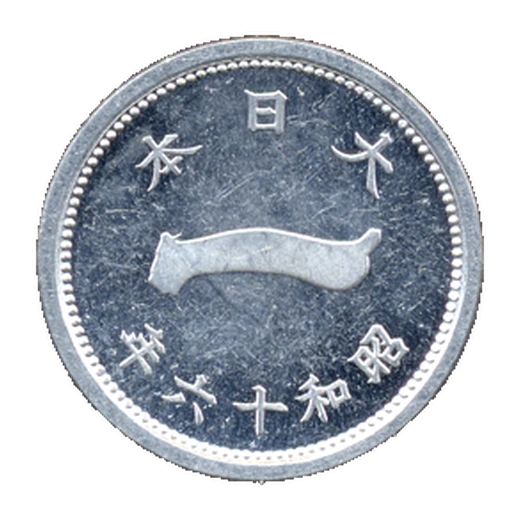
- Core routes
- 20
- Issue studies
- 14
- Exact image pairs
- 15
- Indexable routes
- 0
Context
Historical and monetary setting
Material labels must express legal status as well as chemistry. An emergency object can be officially manufactured yet never issued.
Identification
How to classify the object
For aluminum check mass and oxidation; for tin check softness and granular surfaces; for tin-zinc use the official alloy and dimensions. Do not perform destructive testing.
Evidence boundary
What this page does not claim
Porcelain, ceramic, fiber, glass, and iron labels require object-level official evidence. Dealer wording is not sufficient.
aluminum
Very light; vulnerable to oxidation, scratches, bends, staining, and edge damage.
The official table records repeated wartime weight reductions and a 1946 bridge issue.
tin
Soft alloy with darkening, spotting, bends, and granular surface risks.
Official specifications identify 93% tin and 7% zinc.
tin-zinc
A late-war 50:50 alloy requiring careful surface and mass comparison.
The official issue table lists the composition, size, and mass.
ceramic
Brittle nonmetallic preparations; survivals do not prove circulation.
Japan Mint states ceramic 1 Sen pieces were manufactured in 1945 but not issued.
iron
Rust, pitting, plating loss, and stabilization would be central if an official object were established.
No issued domestic iron type appears in the controlling Bank of Japan and Japan Mint national issue tables reviewed for this phase.
Continue
Related Taisho–Showa references
Evidence
Sources and scope
These links support the claims on this page. Source authority does not imply permission to republish source images.
Institutional history, Temporary Currency Act, strategic-metal substitutions, ceramic production, surrender, occupation supervision, and postwar scrap reuse.
Open sourceObverse/reverse convention, unissued ceramic status, postwar brass scrap composition, edge changes, and later silver-to-cupronickel transition.
Open sourceObject-level measured examples of nickel, aluminum-bronze, aluminum, tin, and tin-zinc wartime coins.
Open source