Bronze to wartime substitutes
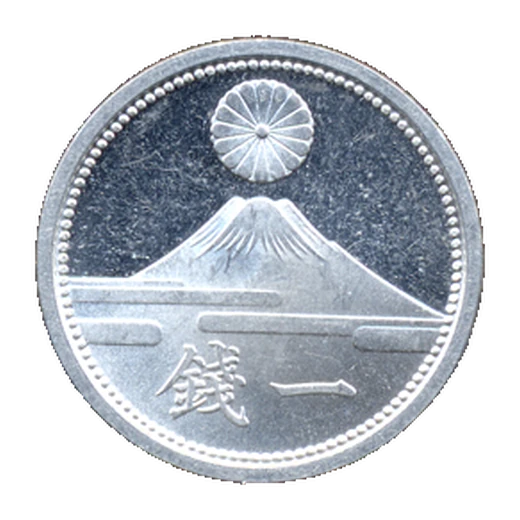
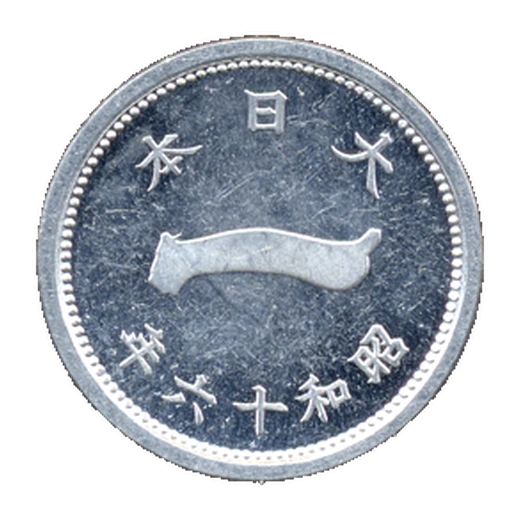
Japan 1 Sen
Follow 1 sen from Meiji copper and bronze through Taishō reduction, 1938 brass and aluminum, 1941 smaller aluminum, and 1944 tin-zinc.
一銭
- Core routes
- 20
- Issue studies
- 14
- Exact image pairs
- 15
- Indexable routes
- 0
Context
Historical and monetary setting
The denomination shows the clearest wartime sequence of repeated material and weight change.
Identification
How to classify the object
Read the era date and compare diameter, mass, motif, and alloy; do not identify the metal by tone alone.
Evidence boundary
What this page does not claim
Ceramic 1 sen is unissued and is not placed in the circulation sequence.
| Denomination | Yen relationship | Taisho | Showa | Postwar | Legal end |
|---|---|---|---|---|---|
| Rin | 1 Rin = 1/1000 Yen | 5 Rin bronze issued | none in Phase 6 national circulation | obsolete | legal use ended 1953-12-31 |
| 1 Sen | 1 Sen = 1/100 Yen | small bronze type | brass and aluminum | displaced by inflation | legal use ended 1953-12-31 |
| 5 Sen | 5 Sen = 1/20 Yen | large then small holed cupronickel | nickel and emergency generations | 1946 tin bridge issue | legal use ended 1953-12-31 |
| 10 Sen | 10 Sen = 1/10 Yen | silver then holed cupronickel | nickel and emergency generations | 1946 aluminum bridge issue | legal use ended 1953-12-31 |
| 20 Sen | 20 Sen = 1/5 Yen | no new regular type within normalized Phase 6 table | none | obsolete | legal use ended 1953-12-31 |
| 50 Sen | 50 Sen = 1/2 Yen | reduced Phoenix silver | continued silver then postwar brass | 1946 and 1947 brass bridge types | legal use ended 1953-12-31 |
Continue
Related Taisho–Showa references
Evidence
Sources and scope
These links support the claims on this page. Source authority does not imply permission to republish source images.
Official specifications, first-issue years, legal-expiry dates, wartime and postwar regular types.
Open sourceInstitutional history, Temporary Currency Act, strategic-metal substitutions, ceramic production, surrender, occupation supervision, and postwar scrap reuse.
Open source