Brass predecessor to aluminum
Postwar 1 Yen Transition
Connect the 1948 brass 1 yen to the 1955 aluminum young-tree type without duplicating the current-circulation canonical page.
戦後一円貨幣
- Core routes
- 20
- Issue studies
- 14
- Exact image pairs
- 15
- Indexable routes
- 0
Context
Historical and monetary setting
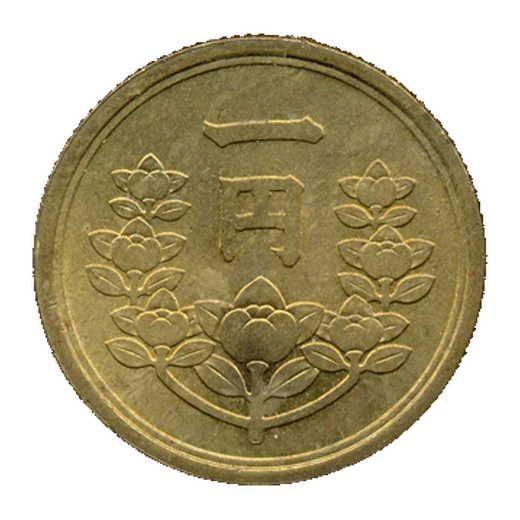
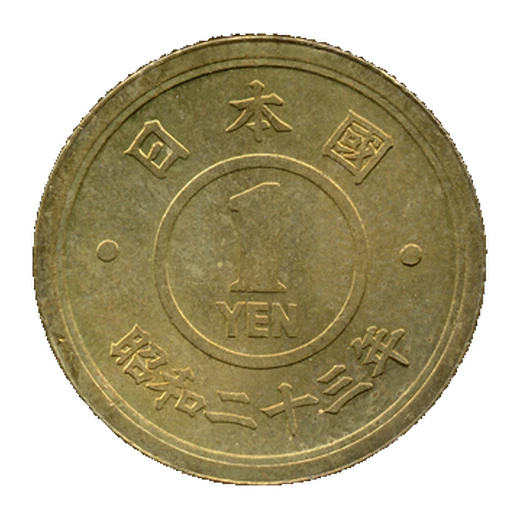
The brass type used a tachibana design and stopped production in 1950 as material costs rose. The aluminum successor entered circulation in 1955.
Identification
How to classify the object
The brass predecessor is 20 mm and 3.2 g with a reeded edge; the aluminum successor is 20 mm and exactly 1.0 g with a smooth edge.
Evidence boundary
What this page does not claim
Full current-type annual mintages remain on the future modern-circulation workstream.
| Series | Production | Legal issue | Material | Edge | Successor |
|---|---|---|---|---|---|
| Postwar 1 Yen Brass | 1948 | 1948 | copper | reeded | jp-current-1-yen-aluminum |
Continue
Related Taisho–Showa references
Evidence
Sources and scope
These links support the claims on this page. Source authority does not imply permission to republish source images.
1914 Silver Yen production context, 1948 brass 1 yen, its 1950 production stop, and the 1955 aluminum successor.
Open sourceOfficial specifications, first-issue years, legal-expiry dates, wartime and postwar regular types.
Open source