Representative issue study
Showa 32 (1957) Phoenix 100 Yen Silver
The first regular 100 Yen type tests the silver-to-cupronickel modern transition.
昭和三十二年鳳凰百円銀貨
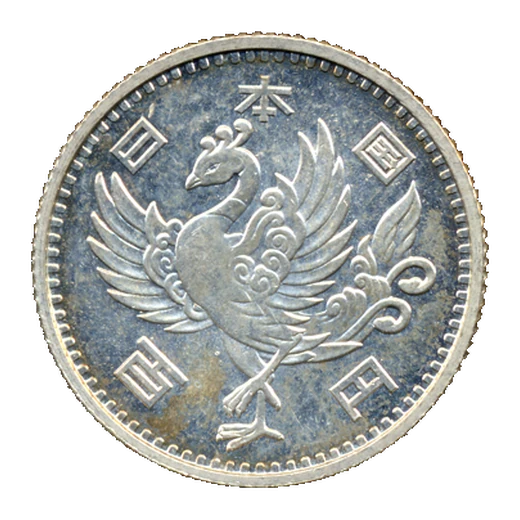
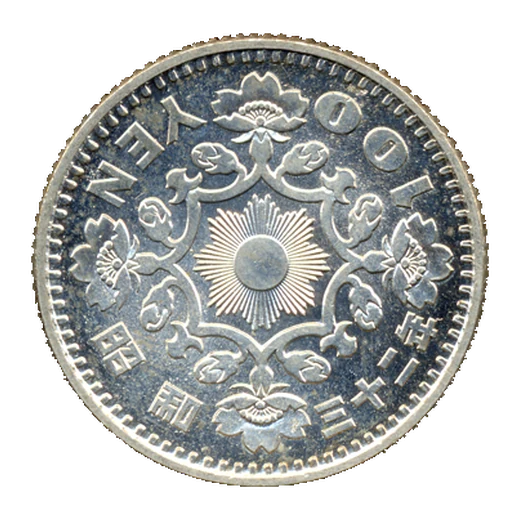
- Date
- 昭和三十二年 (1957)
- Denomination
- 100 Yen
- Material
- silver
- Issue class
- postwar-transitional
Context
Historical and monetary setting
The Phoenix silver design was followed by rice-stalk silver and then cherry-blossom cupronickel.
Identification
How to classify the object
Assess luster, wear, marks, cleaning, toning, strike, rim, edge, mass, and exact Phoenix design.
Evidence boundary
What this page does not claim
Do not combine it with commemorative 100 Yen coins.
Issue evidence
Specifications, grading, and authentication
- Mass
- 4.8 g
- Diameter
- 22.6 mm
- Hole
- none
- Edge
- reeded
- Production year
- 1957
- Legal issue year
- 1957
Material-specific grading
Silver: assess luster, wear, contact marks, cleaning, toning, strike, rim, and edge damage.
Authentication
Verify weight, diameter, thickness, alloy, magnetism, hole, edge, date and character style, die alignment, and evidence of casting, plating, altered dates, fake patina, or modern reproduction. Do not use destructive testing.
Continue
Related Taisho–Showa references
Evidence
Sources and scope
These links support the claims on this page. Source authority does not imply permission to republish source images.
Official specifications, first-issue years, legal-expiry dates, wartime and postwar regular types.
Open sourceImage identity and file-level reuse metadata only; historical claims are verified elsewhere.
Open source