No hole, hole, and script
Postwar 5 Yen Transition
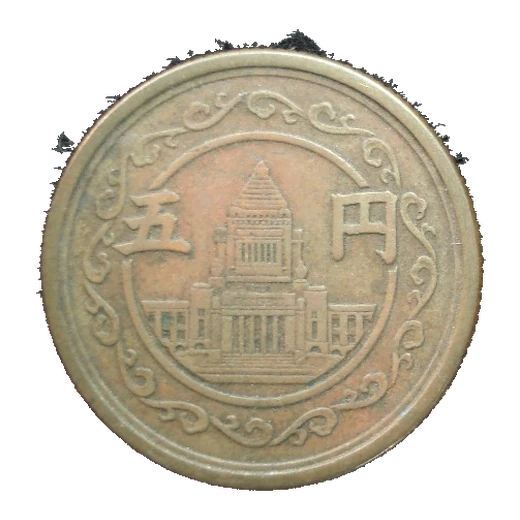
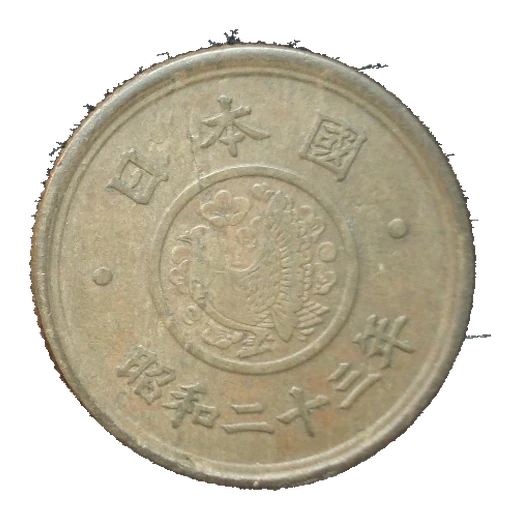
Compare the 1948 no-hole Diet Building type, the 1949 holed kaisho-lettered type, and the 1959 modern-script generation.
戦後五円貨幣
- Core routes
- 20
- Issue studies
- 14
- Exact image pairs
- 15
- Indexable routes
- 0
Context
Historical and monetary setting
Japan Mint records that the no-hole 5 yen was difficult to distinguish from the contemporary brass 1 yen, prompting the 1949 holed redesign. The motif combines rice, water, and a gear.
Identification
How to classify the object
Separate the Diet Building type from the holed agricultural-industrial design, then distinguish kaisho 國 from the later gothic 国 lettering.
Evidence boundary
What this page does not claim
Symbolism follows official design identification; unsupported ideological readings are excluded.
| Series | Production | Legal issue | Material | Edge | Successor |
|---|---|---|---|---|---|
| No-Hole 5 Yen Brass | 1948 | 1948 | copper | plain | jp-p6-series-5-yen-holed-kaisho |
| Holed 5 Yen Brass, Kaisho Script | 1949 | 1949 | copper | plain | jp-current-5-yen-brass |
Continue
Related Taisho–Showa references
Evidence
Sources and scope
These links support the claims on this page. Source authority does not imply permission to republish source images.
Obverse/reverse convention, unissued ceramic status, postwar brass scrap composition, edge changes, and later silver-to-cupronickel transition.
Open sourceCurrent and older valid 1-, 5-, 10-, 50-, and 100-yen design generations and official dimensions.
Open sourceOfficial specifications, first-issue years, legal-expiry dates, wartime and postwar regular types.
Open source