Solid nickel to holed cupronickel
Postwar 50 Yen Transition
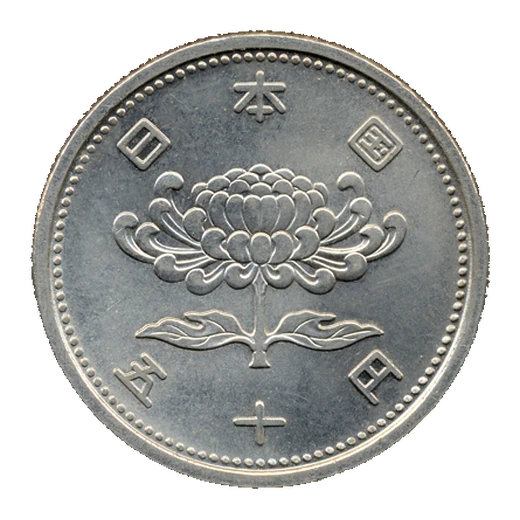
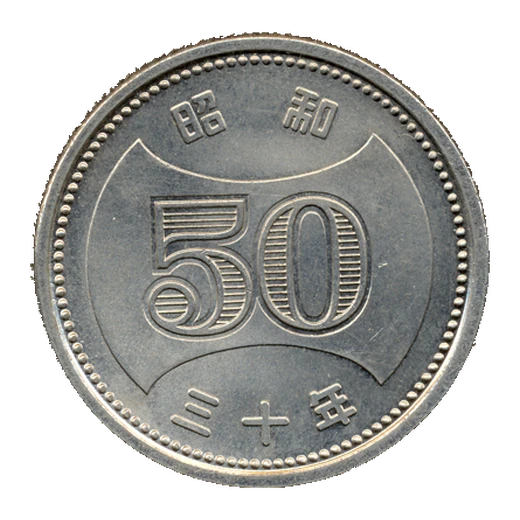
Connect the large solid-nickel 1955 type to the 1959 holed nickel type and the smaller 1967 cupronickel current family.
戦後五十円貨幣
- Core routes
- 20
- Issue studies
- 14
- Exact image pairs
- 15
- Indexable routes
- 0
Context
Historical and monetary setting
All three regular generations use chrysanthemum imagery, but size, mass, hole, and alloy define major type boundaries.
Identification
How to classify the object
Do not use the flower alone: verify 25 versus 21 mm diameter, 5.5, 5.0, or 4.0 g mass, hole diameter, and nickel versus cupronickel.
Evidence boundary
What this page does not claim
The current 1967 type links to, but is not duplicated from, the current-circulation canonical page.
| Series | Production | Legal issue | Material | Edge | Successor |
|---|---|---|---|---|---|
| No-Hole 50 Yen Nickel | 1955 | 1955 | nickel | reeded | jp-p6-series-50-yen-holed-nickel |
| Holed 50 Yen Nickel | 1959 | 1959 | nickel | plain | jp-current-50-yen-cupronickel |
Continue
Related Taisho–Showa references
Evidence
Sources and scope
These links support the claims on this page. Source authority does not imply permission to republish source images.
Current and older valid 1-, 5-, 10-, 50-, and 100-yen design generations and official dimensions.
Open sourceOfficial specifications, first-issue years, legal-expiry dates, wartime and postwar regular types.
Open sourceObverse/reverse convention, unissued ceramic status, postwar brass scrap composition, edge changes, and later silver-to-cupronickel transition.
Open source