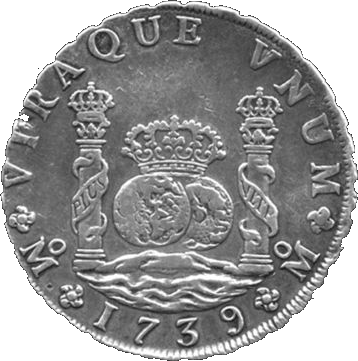
1732—1771
Pillars & globes
1739 Mo MF · a royal design before the portrait.
Read the type
MEXICO 8 REALES
Minted in Mexico. Trusted around the world.
The 8 Reales connected continents, fueled trade,
and became one of the most influential coins
in global history.
MEXICO
THE AMERICAS
EUROPE
ASIA
TRADE & EXCHANGE
A CONNECTED WORLD
01 / THE OBJECT
Eight reales describes a value, not a single unchanging design. Over generations, Mexican silver carried royal shields, portraits and republican emblems. “Piece of eight,” “Spanish dollar” and “Mexican dollar” belong to overlapping histories, not interchangeable catalog identities.12
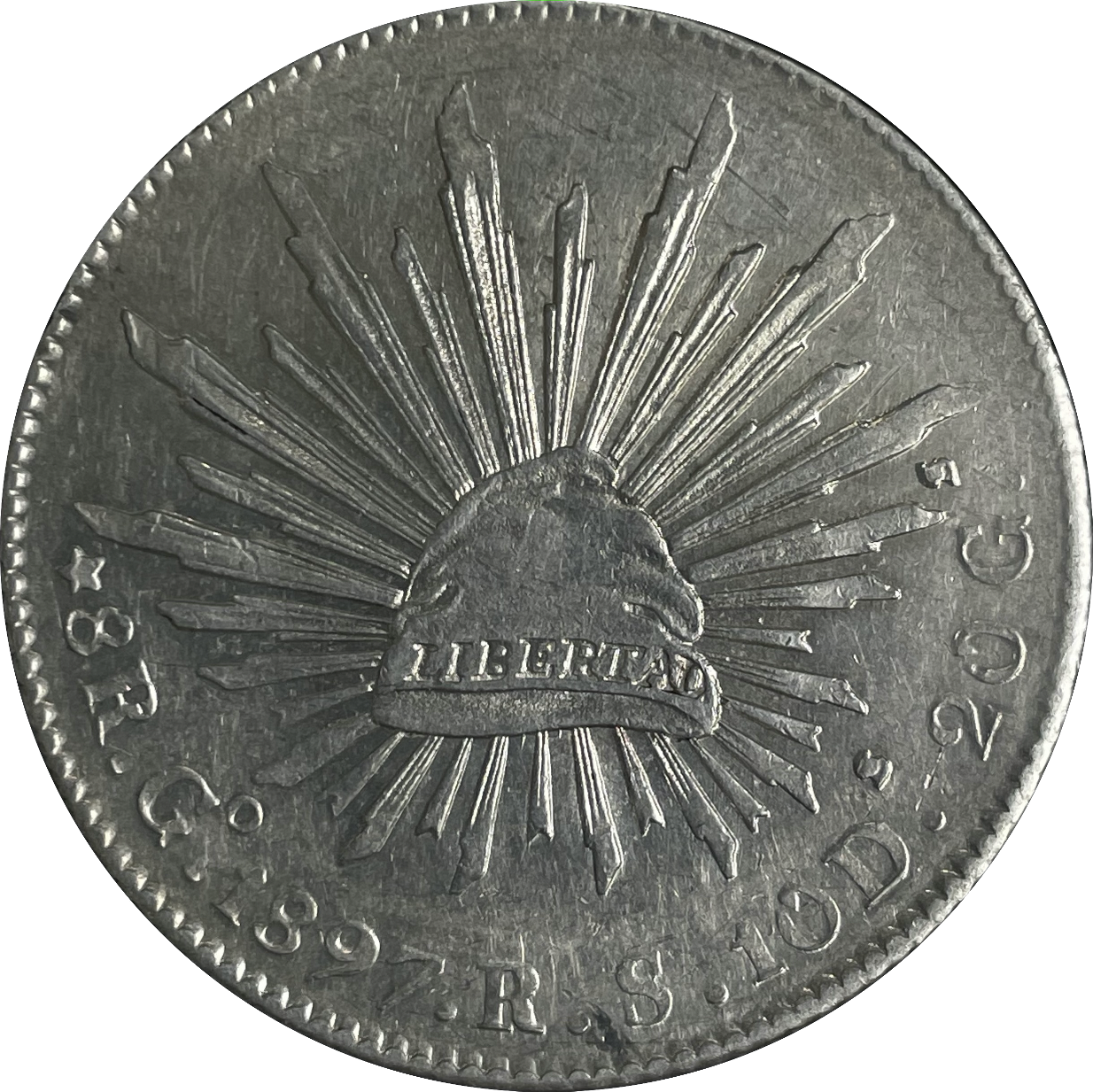
Start with two complete faces. On this 1897 Guanajuato example, the eagle names a republic; the radiant cap carries the promise of liberty. The denomination, date and small marks anchor that larger story to a specific issue.
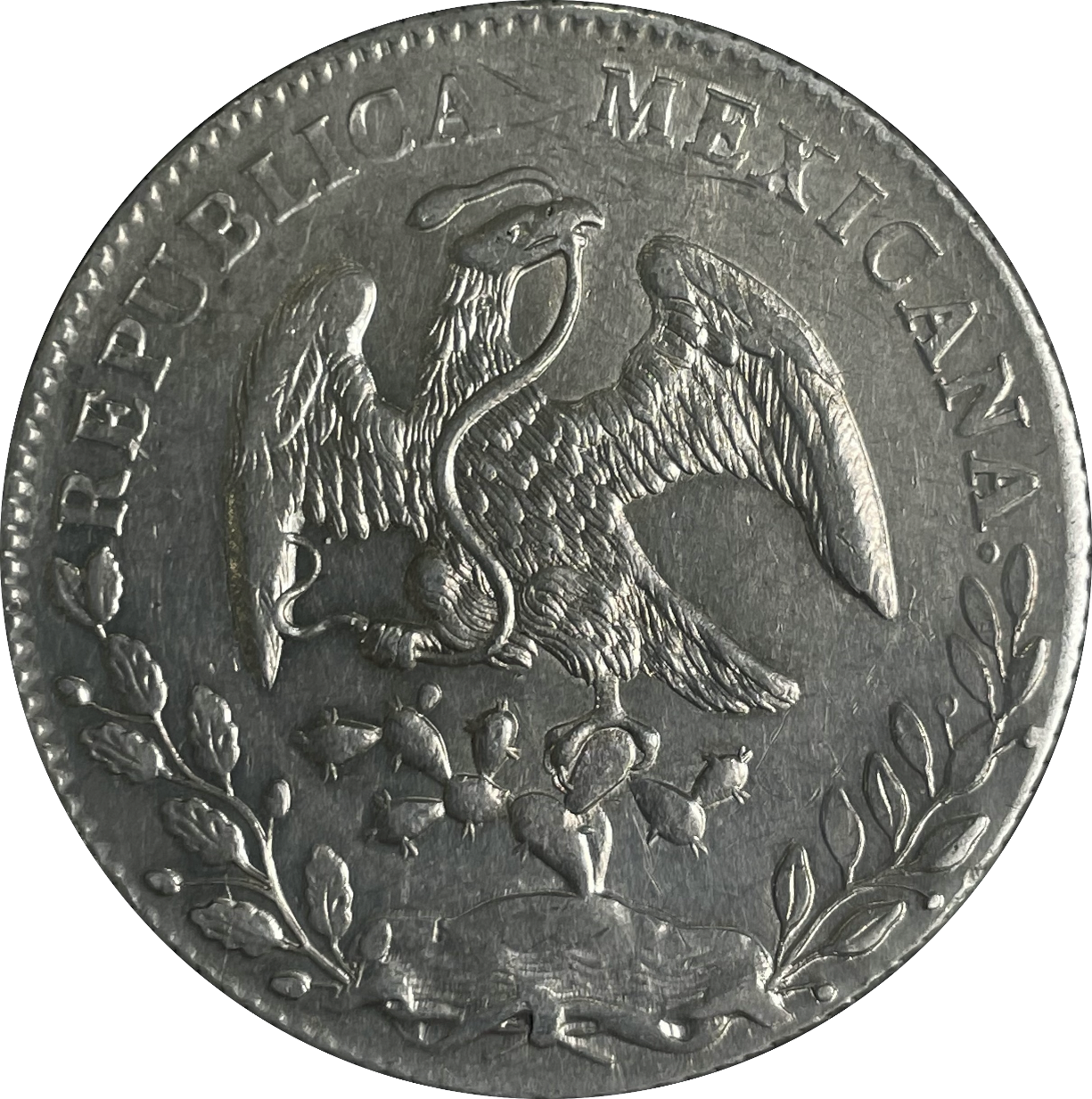
Republican reference specifications, not measurements of this photographed specimen or a standard for every earlier type.
02 / MAKING SILVER
A hammered cob can be irregular, off-center and only partly legible. Milled coinage brought a more regular round form and a different visual discipline. The change was a transition: Mexico’s pillar coinage began in 1732, while cobs continued into 1733 and klippes into 1734.36
Shape is a clue, not a machine identification. Compare the design, manufacture and documentary attribution together.
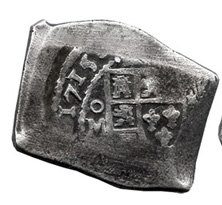
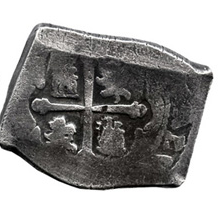
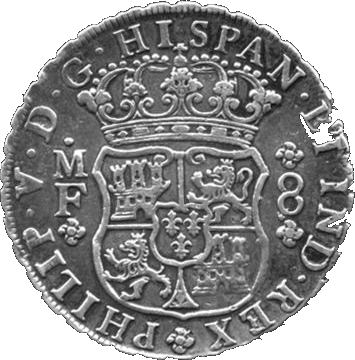
Early photographs are shown at their available resolution; small details should be read in the linked type records.
03 / AUTHORITY IN SILVER
Mexico City’s pillars and globes gave way to portraits in 1772. War, empire and republic brought further changes in who claimed authority and how it appeared on silver. Political control, the name on the coin and the year of striking must be read separately.12
1732—1771
1739 Mo MF · a royal design before the portrait.
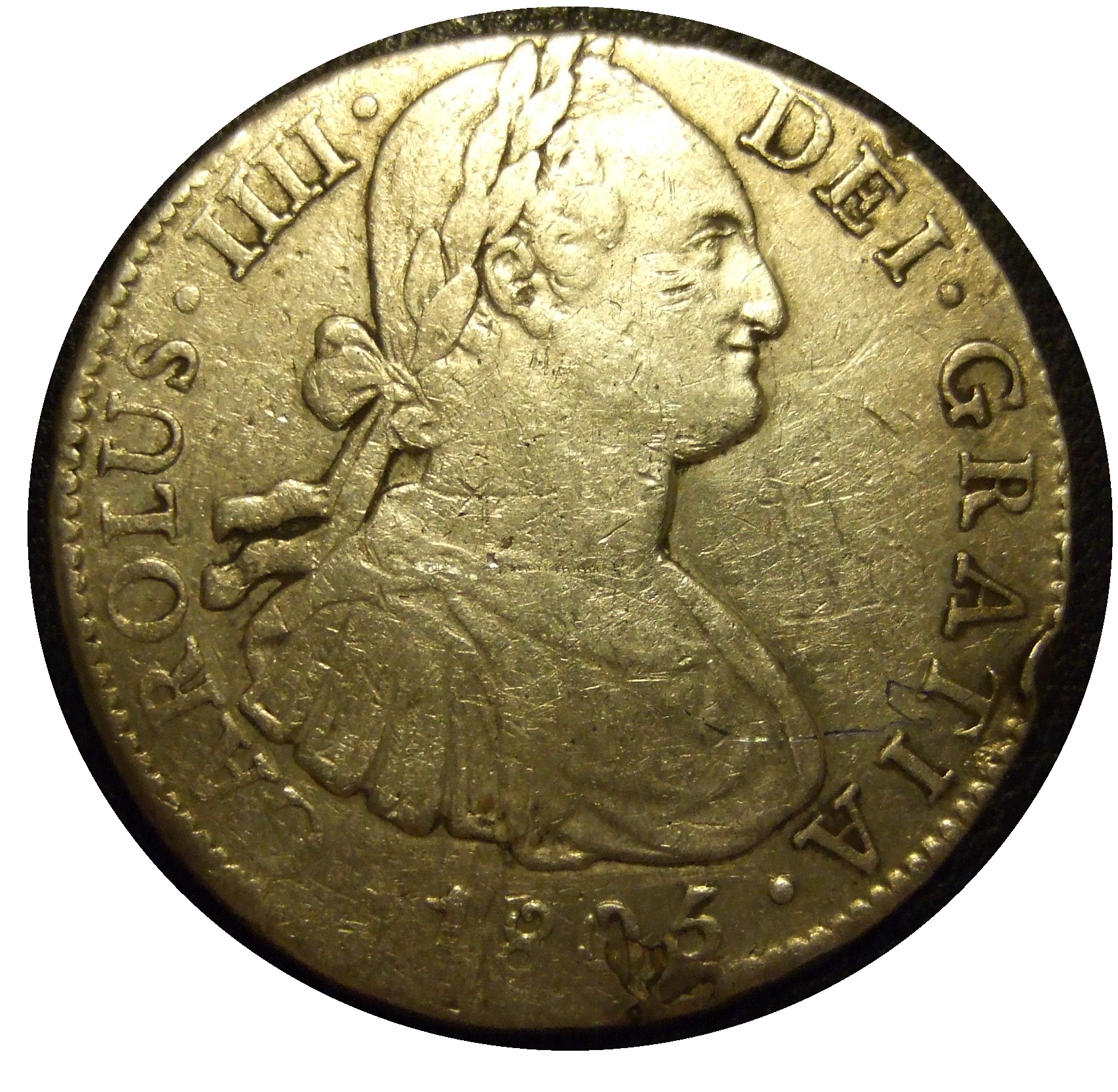
Read the type1772—1821
1805 Mo TH · Charles IV, Mexico City.
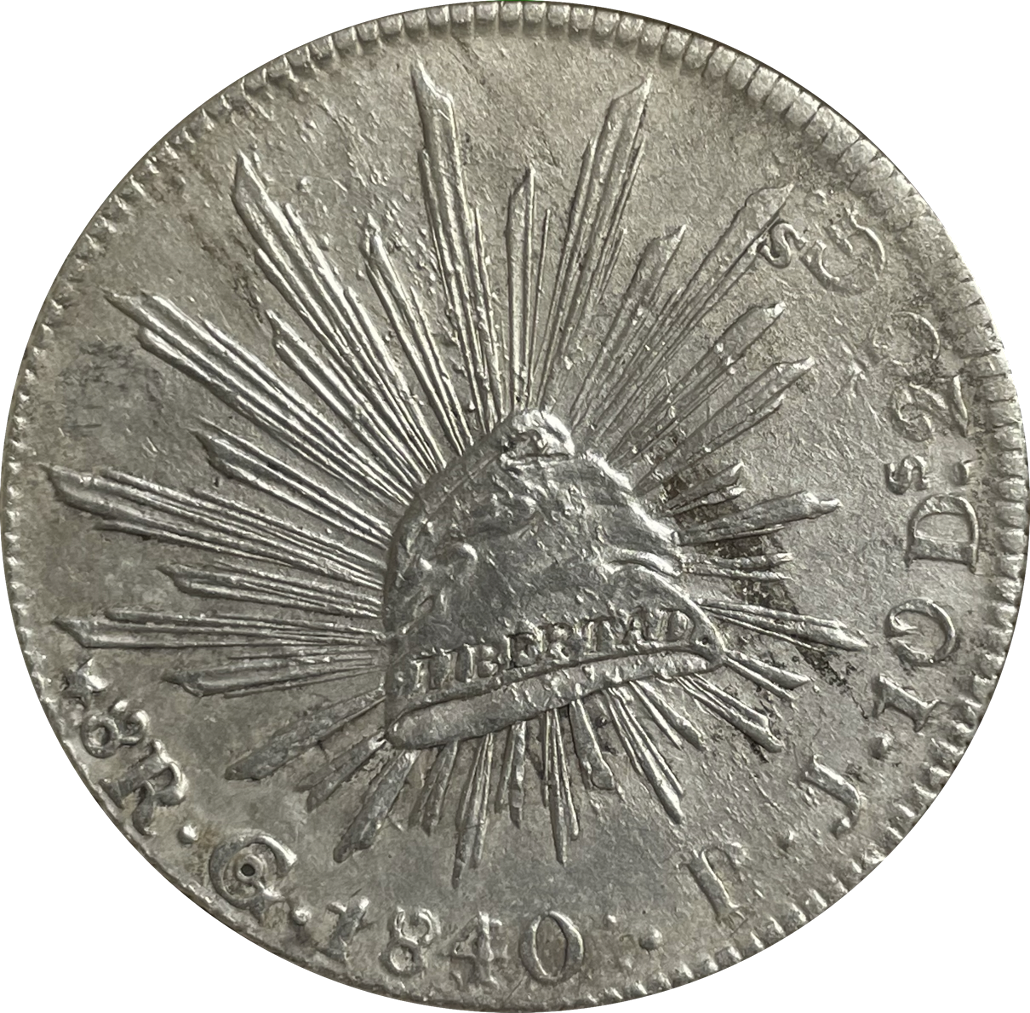
Read the type1823—1897
1840 Go PJ · one regional cap-and-rays issue.
Read the typeThese are three examples, not an exhaustive chronology. Cob, wartime and imperial material remains connected through the type and historical records. From 1898, UN PESO is a different denomination even when the rays look familiar.2
04 / 1897 · GUANAJUATO · Go RS
Read the coin before reading a catalog label. Each pointer below leads to a visible detail of the 1897 Go RS example. An inscription can identify a state, a value, a mint or a silver standard; those are different kinds of information.
REPUBLICA MEXICANA names the state. The eagle and snake belong to this face.
8R identifies eight reales. Similar rays appear later on coins marked UN PESO.
Go is the mint mark for Guanajuato in this issue. Read the whole mark.
1897 is the visible date, not a measurement of when this specimen circulated.
RS is a mint- and date-scoped assayer mark. Initials alone do not identify a person.
LIBERTAD means “Liberty.” Read the word separately from the value and date.
10 Ds. 20 Gs. expresses silver fineness in dineros and granos; approximately .903 when rounded.
The pointers identify visible details in these exact photographs. Edge photography is unavailable; the edge is not reconstructed.
05 / PLACE & RESPONSIBILITY
Mo, Go and Zs lead to different mint histories. Assayer initials must be scoped to a mint and a period; a mark can refer to an office or to a documented officer relationship, and service dates need not match the first coin bearing the initials.7
The Republican register preserves 189 scoped mark records: 42 have officer names recorded and 147 do not. An unidentified name remains unknown. These counts describe the catalog, not 189 independently verified people.
06 / TRADE, TRUST & LOCAL RULES
Spanish-American silver moved through Atlantic and Pacific networks. The Acapulco–Manila connection forms part of that history, with silver entering Asian exchange. It does not give every surviving Mexican coin the same itinerary.15
1793 · UNITED STATES
United States legislation treated Spanish milled dollars under weight and assay conditions. Acceptance was bounded by monetary rules.16
1813 · NEW SOUTH WALES
The Holey Dollar physically transformed a host dollar into a locally valued object. A museum record preserves the transformation—and uncertainty about the host date.17
ASIA · MERCHANT MARKS
Merchant chops, official countermarks and later political marks call for separate explanations. A stamped surface alone is not a travel record.14
07 / THE OBJECT AFTER THE MINT
A variety begins with evidence: a die, a date alteration, a mint-mark form or an assayer-mark relationship. Weak striking is not automatically circulation wear. Later punches, countermarks and engraving tell a different kind of story from the original mint design.1018
The photographs show an 1884 Zacatecas Zs JS specimen. Its visible chopmarks do not identify particular merchants or a precise voyage. Helen Wang’s study concerns a different, 1896 Guanajuato RS object; that biography cannot be transferred to this one.14
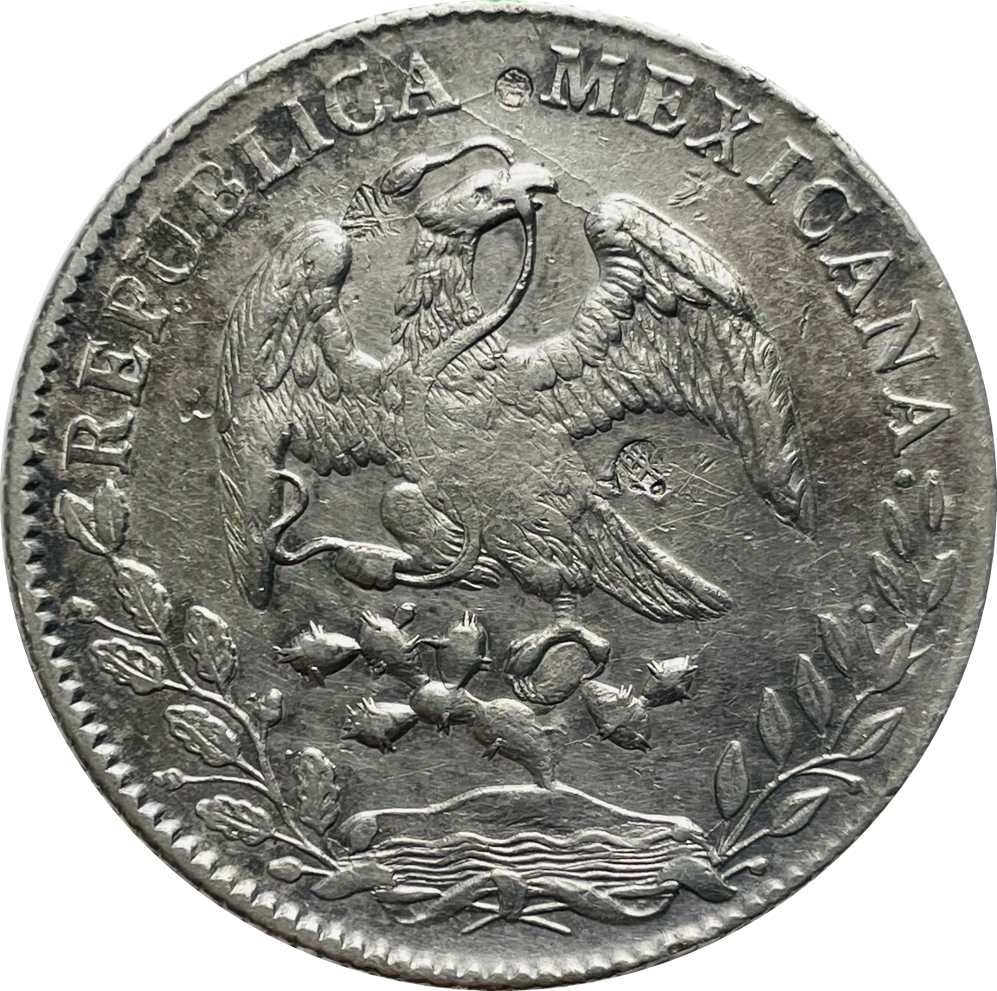
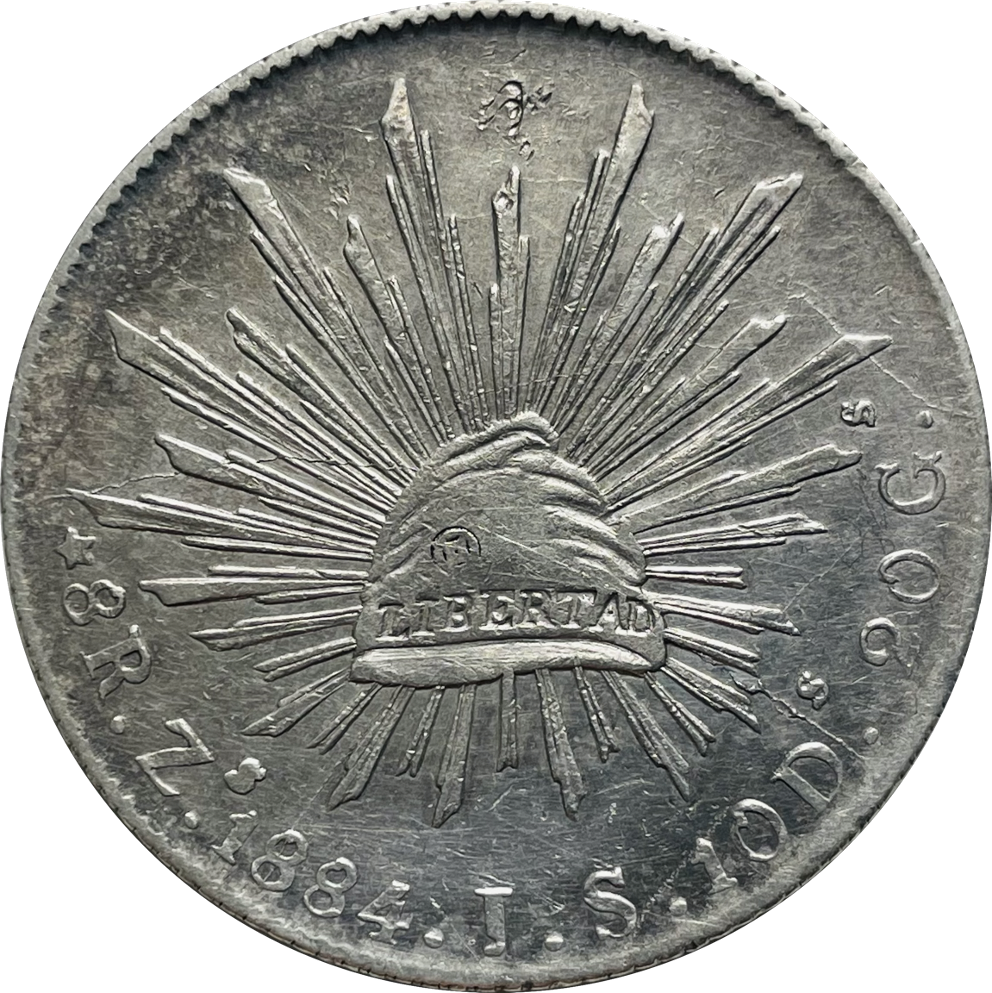
Authentication is an object-level task. Photographs, measurements, edge evidence and supported diagnostics belong together; this guide supplies neither a grade nor a market price.19
08 / FROM STORY TO EVIDENCE
Begin with a type. Then choose a mint, date and assayer mark within the Republican register. The collection keeps issue identities and varieties separate; a catalog entry is not automatically a dedicated page.
Counts describe the Republican catalog, not mintages, surviving populations or authenticated specimens. Mintages are unrecorded, not zero. Colonial series and historical taxonomy remain separate paths.