WORLD COIN BOOK · MEXICO
Mexico Coin Encyclopedia
Silver connected distant worlds. Changing symbols spoke for new authorities. Everyday coins carried the story forward. Explore five centuries of Mexican coinage.
01 / MEXICO
A mint in a changing world
Mexico’s mint was founded in 1535, with coin production following in 1536. Its silver entered a world where exchange already had deep Indigenous roots. Early colonial coins connect new institutions, materials and political power. The mint’s foundation and its first production are two different milestones. So, too, are an institution and the buildings it occupied over time. Later changes in manufacture—from hammer-struck pieces to more regular milled coinage—altered the appearance of money without erasing its earlier history. Begin with the first mint, then follow the objects into a much wider world.1214
Discover the first mint

02 / MEXICO
Silver across borders
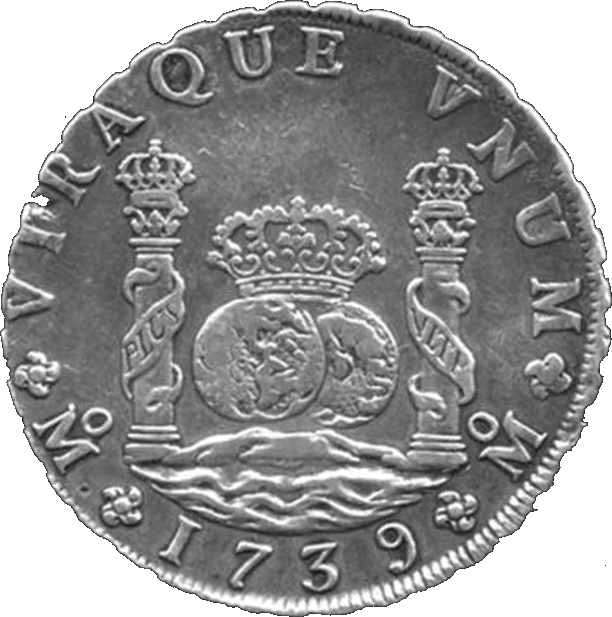
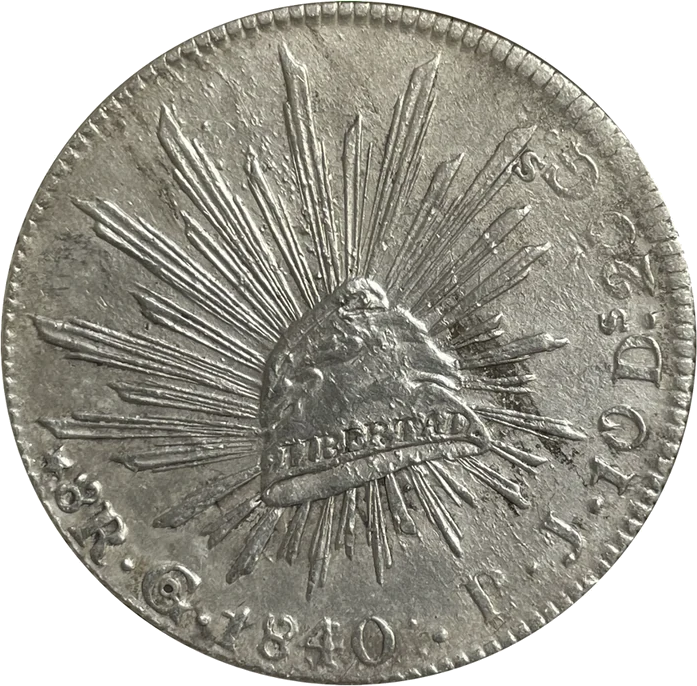
Mexican silver traveled far beyond its place of manufacture. Pillar, portrait and republican coins connect changing designs with enduring trade. The eight-real denomination provides one way to follow that history across different political authorities and mints. An object can also carry evidence of a later life: some Mexican silver coins bear marks added after striking. Those marks must be distinguished from the original design. The British Museum, for example, records a Mexican silver coin with Chinese chopmarks. Here, the 1739 pillar coin and the 1840 Guanajuato Cap-and-Rays coin invite a simpler comparison: different imagery, different minting contexts, and a continuing silver denomination.11013
Explore Mexico’s 8 RealesDifferent designs. Connected histories.

03 / MEXICO
Who speaks on the coin?
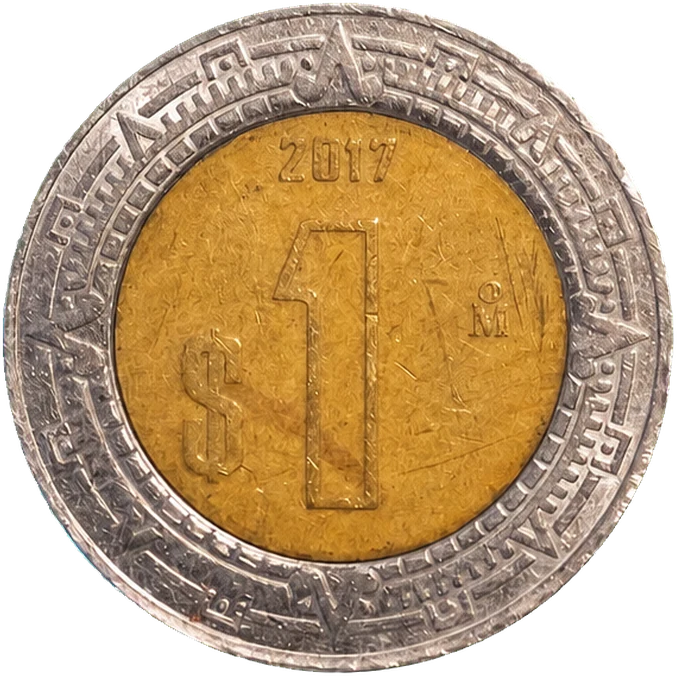
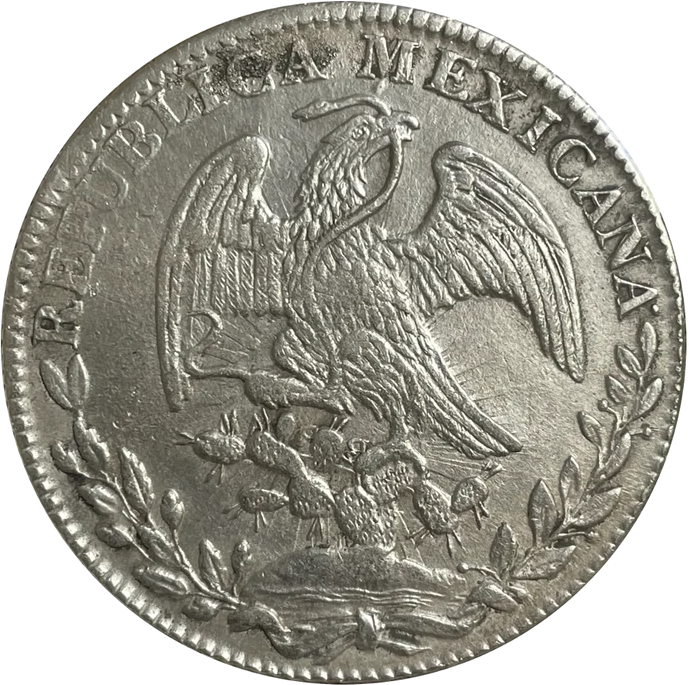
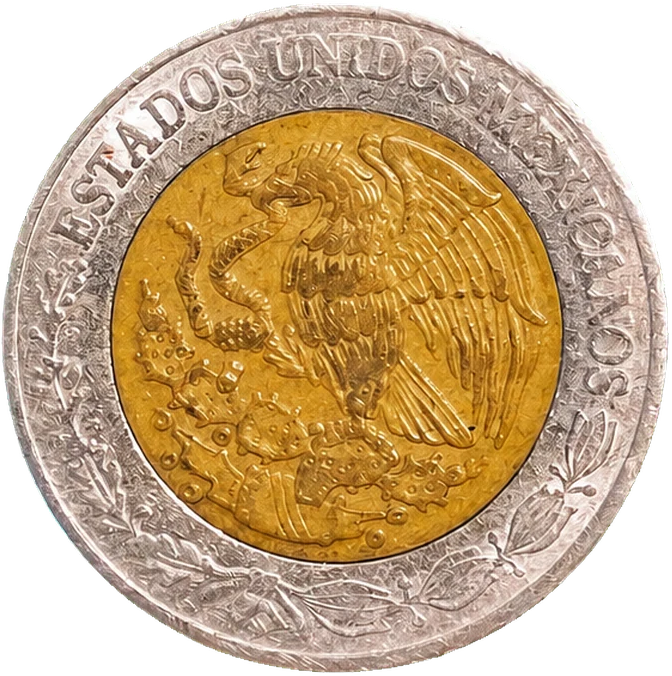
A royal portrait, a republican eagle, a cap of liberty. Coins made authority visible, even as familiar monetary units continued. Independence, the First Empire, republic and Second Empire belong to overlapping histories. Their coins cannot be understood as a neat succession of interchangeable designs. Provincial minting also tied money to regional institutions and political relationships. Compare the Charles IV portrait dated 1805 with the eagle on the 1840 Guanajuato coin, then with the national emblem on the 2017 peso. These are three specific objects through which to read changing claims of authority and the continuity of national symbols.110
Explore the republican coinage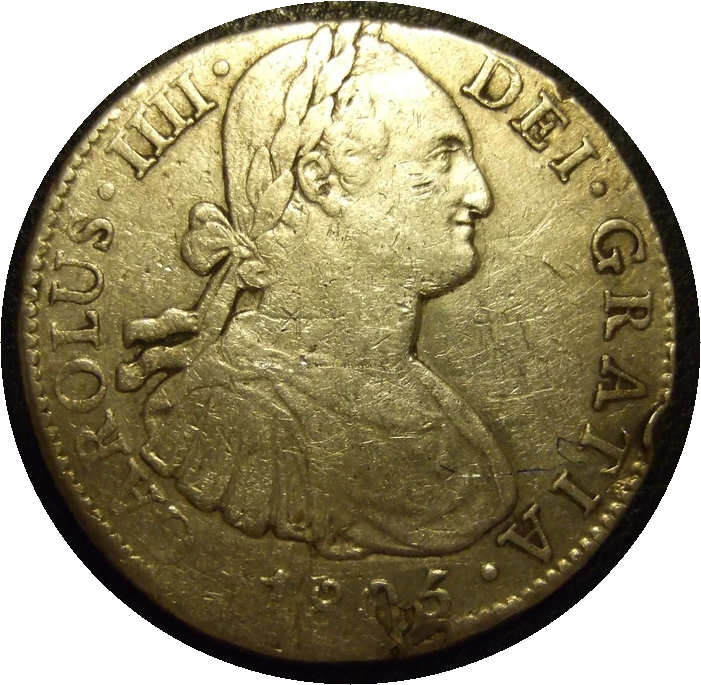
Authority, read through the object.
04 / MEXICO
Reform, disruption and daily exchange
Reform changed denominations and monetary standards; revolution disrupted the authority behind money. The 1910 Caballito peso stands near that turning point. Its mounted allegorical figure gives this silver coin its familiar nickname. Yet everyday exchange also depended on smaller denominations and base-metal money, not only large silver pieces. Regional and emergency issues add another layer: an issuing authority’s coin and a private token need different explanations. Branch mints such as Guanajuato, Zacatecas and Durango place the national story in particular communities. Follow their institutional histories alongside the money that people needed to use.11014
Follow reform and revolution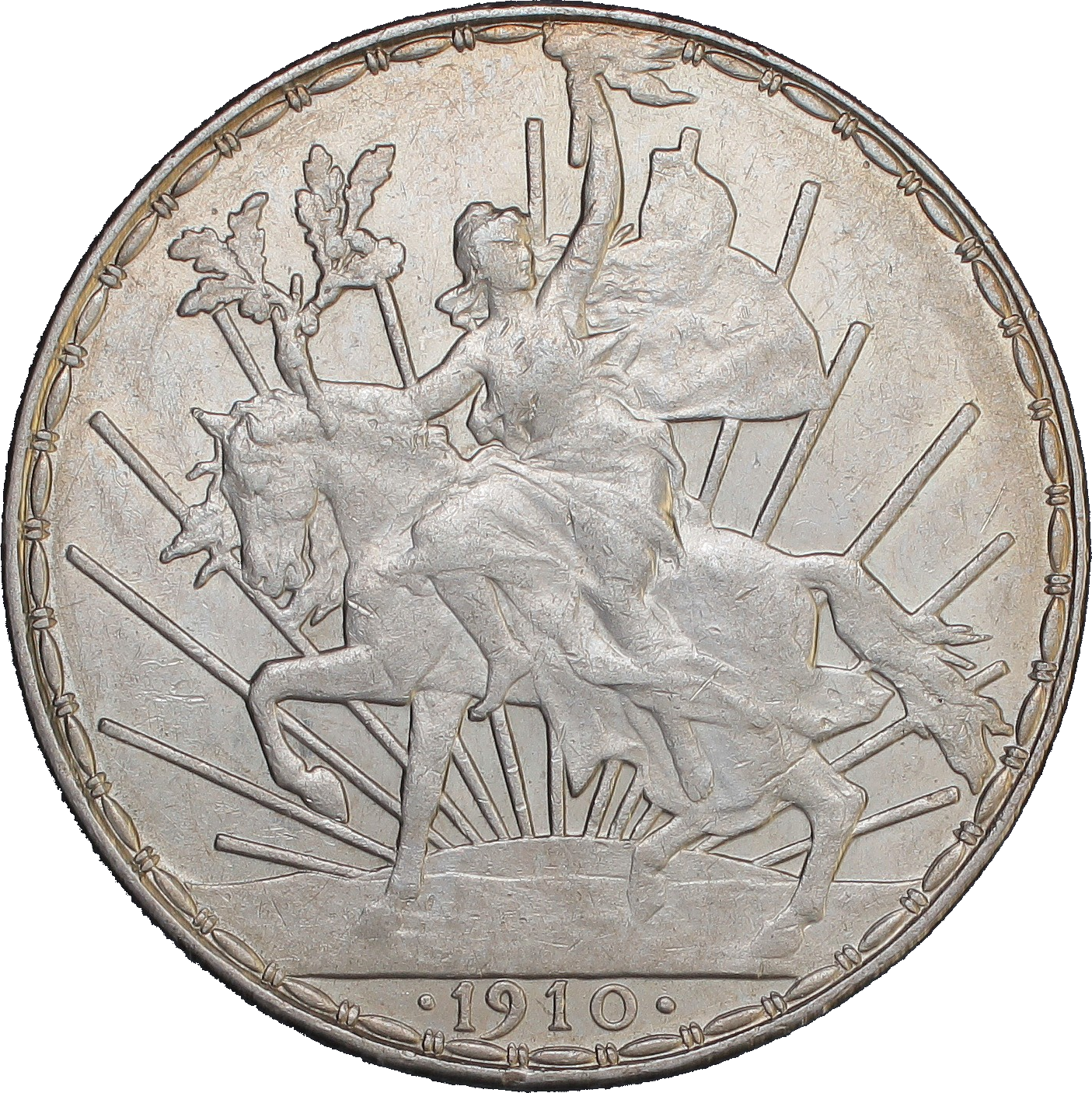
05 / MEXICO
A bank, a peso, a new unit
Banco de México opened in 1925. Across the twentieth century, everyday coins changed in value, material and design. Older pesos and centavos therefore belong to their own monetary context. On 1 January 1993, a new unit replaced 1,000 old pesos with one new peso. In 1996, the removal of “nuevo” from the name changed the label, not the unit again. This distinction matters when comparing a historical denomination with the money used in the modern system. The dates on two one-peso coins may connect very different monetary histories, even when the name looks familiar.351819
Understand the modern peso- 1925The central bank
- 1993A new monetary unit
- 1996The label changes
1993: 1 new peso = 1,000 old pesos.

06 / MEXICO
Explore modern circulation
Identify denominations, compare physical generations and discover the symbols carried in daily change. The Modern Circulating collection brings together regular denominations, circulating commemoratives and the Sun Stone design atlas. Start with the 1-peso coin, compare the two physical generations of 50 centavos, or follow a commemorative story. Each path connects the object to its design, specifications and sources.
Explore Modern Circulating
07 / MEXICO
Precious metal, a different role
Libertad opens another path through Mexican coinage: precious metal organized by weight rather than ordinary change. Gold and silver have their own sizes and design histories. The object shown here is a 2010 gold Libertad weighing one twentieth of a troy ounce. Its winged figure and national emblem connect the program with familiar Mexican imagery, while its weight gives it a different place in the collection. Explore gold and silver separately, keeping each object’s date, metal and weight together.6719
Explore Libertad and bullion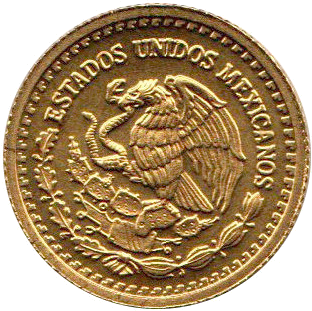
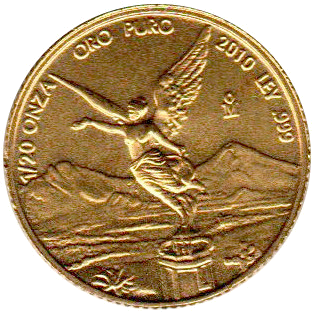
2010 · GOLD LIBERTAD · 1/20 troy oz
08 / MEXICO
Find your path through Mexico
Follow a historical question—or begin with the object in your hand. Periods, denominations, series and mint records remain connected throughout the collection. Choose a historical thread, compare an eight-real coin, or use a denomination or mint to find a more specific starting point.
Browse the collectionFollow a historical thread
- The first mint
- Silver and world trade
- Authority and republic
- Reform and revolution
- The bank and everyday peso
- The modern monetary unit
Parallel tradition · Bullion & Libertad
Mexico’s 8 Reales
From colonial silver to the republic
Mints & assayers
Institutions, regional histories and marks
Periods, denominations, series and mint records remain connected.