Mexico · Modern Circulating Coins › Design Atlas

AN IMAGE, REIMAGINED AT EVERY SCALE

The Sun Stone,
in everyday money.

Eight denominations. Eight named relationships. Follow the design vocabulary that connects an extraordinary monument with small, familiar objects.

Explore the eight motifs ↓
Documentary photograph of the complete Piedra del Sol on museum display
Piedra del Sol · Gary Todd, 2012 · CC0

This is a guide to the issuer’s named design relationships. The photograph supplies context; the numbered list below is not a map of precise regions on the stone.

READING THE RELATIONSHIPS

One source. Distinct identities.

01

5 Centavos · B, C

quincunx-ring solar rays

rayos solares del Anillo de los Quincunces

The issuer identifies stylized solar rays of the quincunx ring. The small reverse selects a motif rather than reproducing the whole monument.

The family names describe the design lineage; they do not assert identical dies or unchanged materials.

Sources: Banco de México ↗

Explore 5 Centavos →
5 centavos · reverse · 1998
Reverse design example · enlarged
02

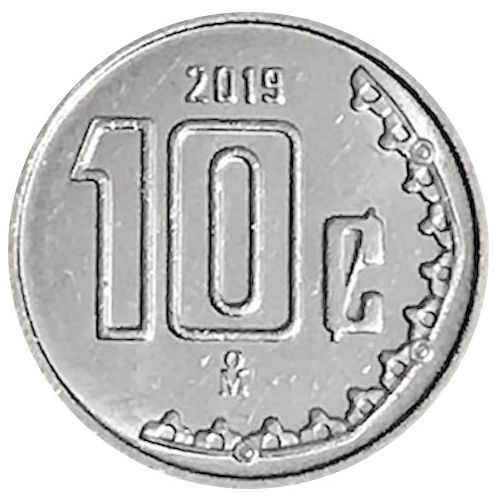
10 Centavos · B, C, D

Ring of Sacrifice

Anillo del Sacrificio

The Ring of Sacrifice continues in the larger B/C form and the smaller D generation. Scale and layout can change while the named motif continues.

The family names describe the design lineage; they do not assert identical dies or unchanged materials.

Sources: Banco de México ↗ · Banco de México ↗

Explore 10 Centavos →
small 10 centavos · reverse · 2019
Reverse design example · enlarged
03

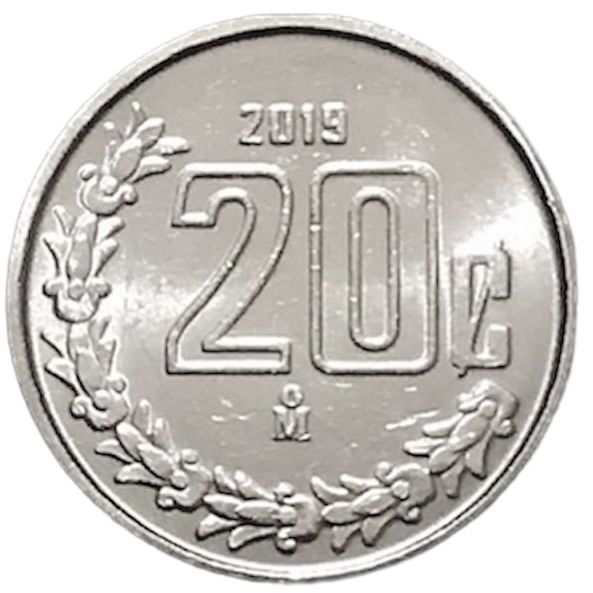
20 Centavos · B, C, D

Acatl (Reed), thirteenth day

Acatl, decimotercer día

Acatl is the thirteenth day sign. It must not be confused with the separate 13-Reed year cartouche on the monument.

The family names describe the design lineage; they do not assert identical dies or unchanged materials.

Sources: Banco de México ↗ · Banco de México ↗ · Banco de México ↗

Explore 20 Centavos →
small 20 centavos · reverse · 2019
Reverse design example · enlarged
04

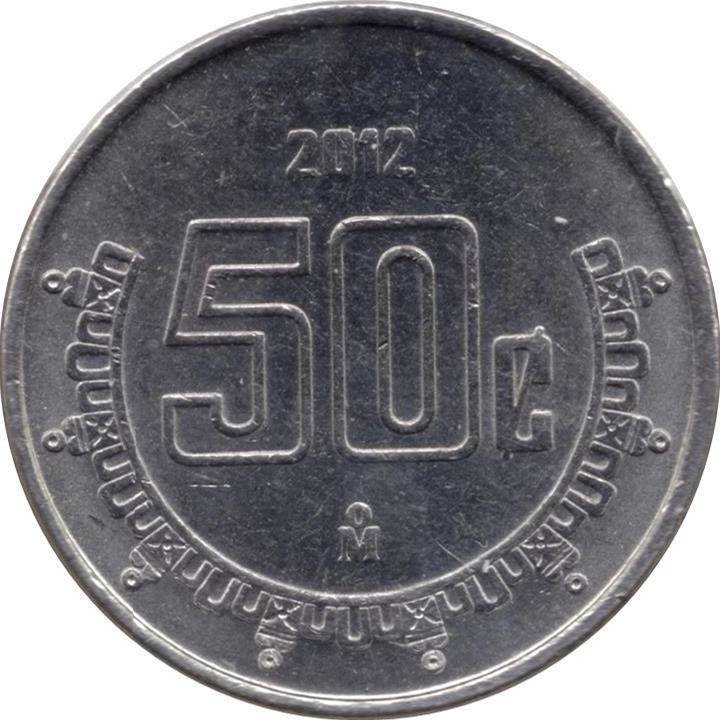
50 Centavos · B, C, D

Ring of Acceptance

Anillo de la Aceptación

The issuer’s “Ring of Acceptance” name continues across bronze B/C and steel D coins. The physical generations remain distinct.

The family names describe the design lineage; they do not assert identical dies or unchanged materials.

Sources: Banco de México ↗ · Banco de México ↗ · Banco de México ↗

Explore 50 Centavos →
50-centavo steel reverse, 2012 example
Reverse design example · enlarged
05

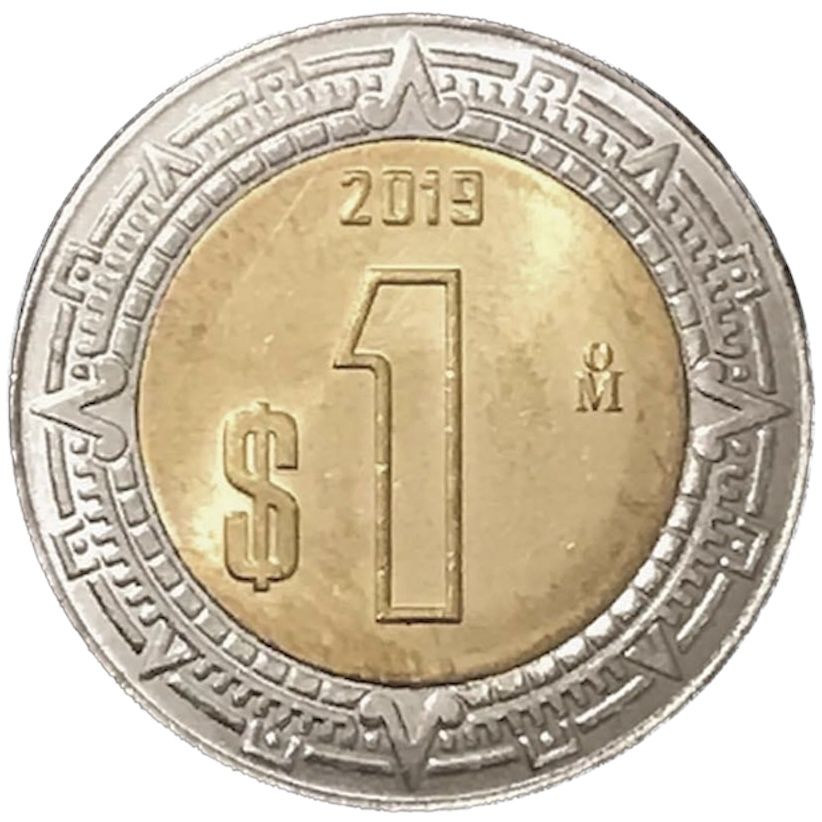
1 Peso · B, C

Ring of Splendor

anillo del Resplandor

The one-peso reverse draws on the Ring of Splendor. A central face or a complete Sun Stone is not the one-peso motif.

The family names describe the design lineage; they do not assert identical dies or unchanged materials.

Sources: Banco de México ↗ · INAH ↗

Explore 1 Peso →
1-peso reverse design reference
Reverse design example · enlarged
06

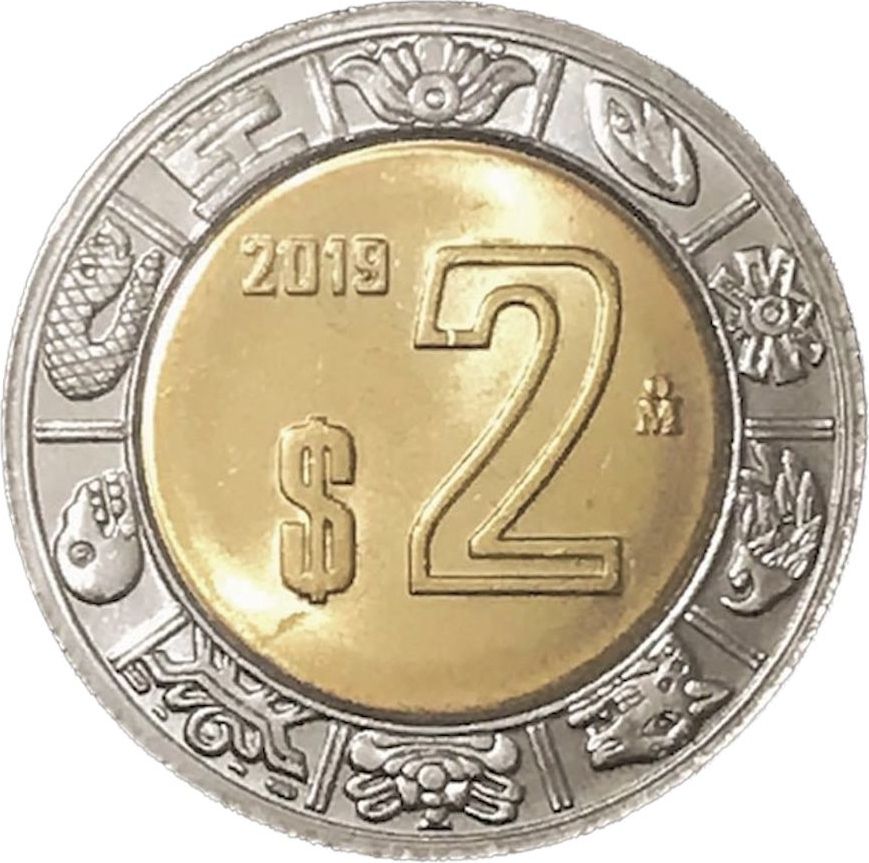
2 Pesos · B, C

Ring of Days

Anillo de los Días

The Spanish issuer record identifies the Ring of Days. This controls over the conflicting “Splendor” wording in the English issuer description.

The family names describe the design lineage; they do not assert identical dies or unchanged materials.

Sources: Banco de México ↗ · Banco de México ↗

Explore 2 Pesos →
2 pesos · reverse · 2019
Reverse design example · enlarged
07

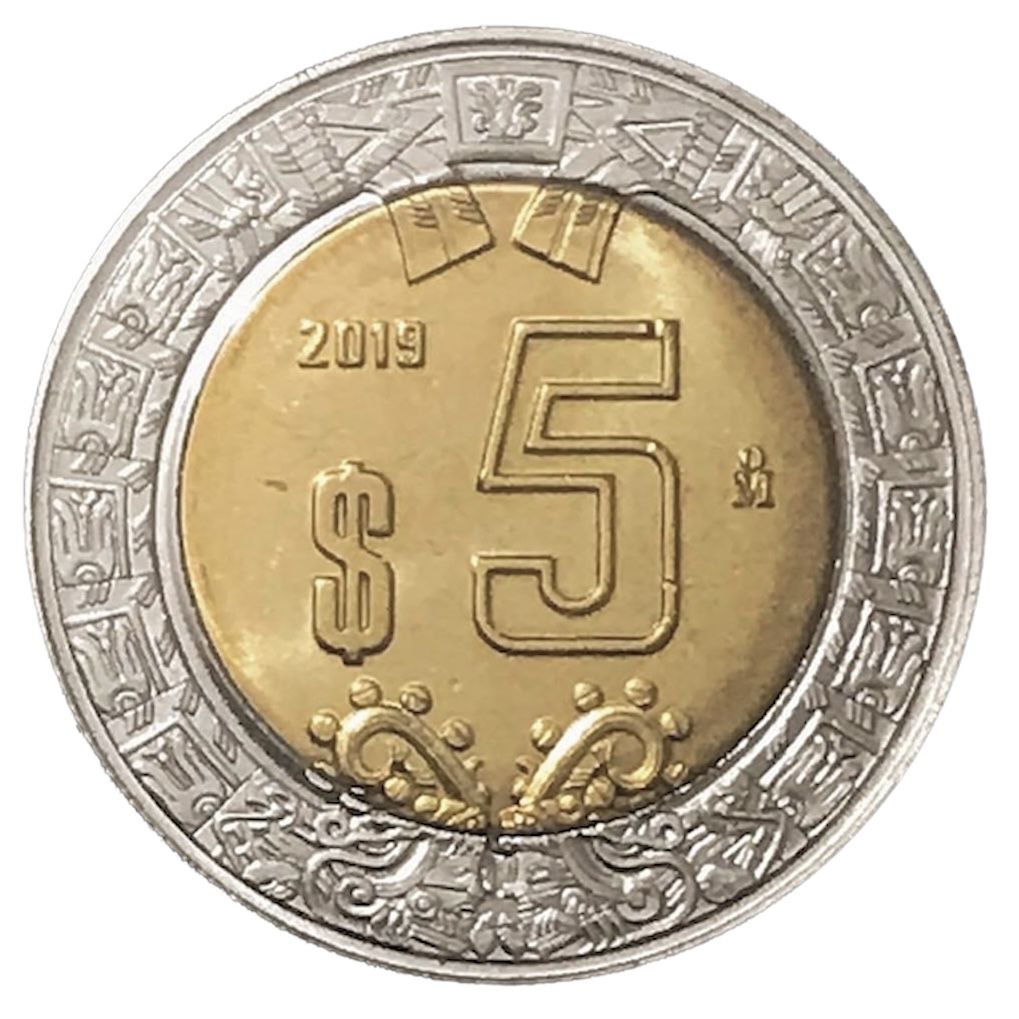
5 Pesos · B, C

Ring of Serpents

Anillo de las Serpientes

The ordinary five-peso reverse draws on the Ring of Serpents. The Independence and Revolution commemoratives use different subject designs.

The family names describe the design lineage; they do not assert identical dies or unchanged materials.

Sources: Banco de México ↗ · Banco de México ↗

Explore 5 Pesos →
5 pesos · reverse · 2019
Reverse design example · enlarged
08

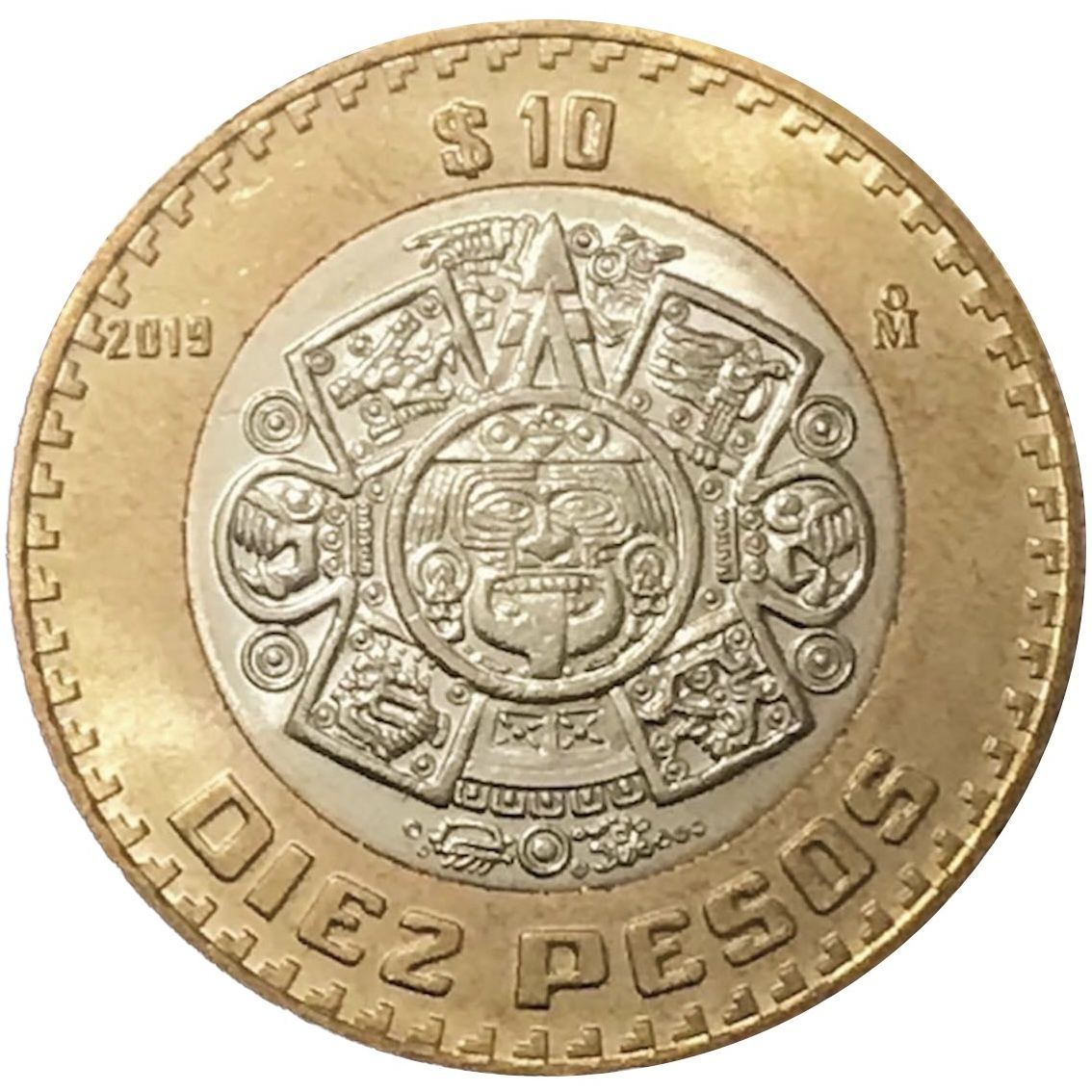
10 Pesos · B, C

central Sun Stone motif (officially identified as Tonatiuh)

círculo de la Piedra del Sol que representa a Tonatiuh con la máscara de fuego

Banco de México identifies the central motif as Tonatiuh with a fire mask. This is the issuer’s attribution, not a resolution of all art-historical debate.

The family names describe the design lineage; they do not assert identical dies or unchanged materials.

Sources: Banco de México ↗ · Banco de México ↗

Explore 10 Pesos →
ordinary 10 pesos · reverse · 2019
Reverse design example · enlarged

Sources & image credits

Motif names follow Banco de México. Coin examples retain their denomination-page provenance and photographed dates.

Sources: Banco de México ↗ · Banco de México ↗ · Banco de México ↗ · Banco de México ↗ · Banco de México ↗ · Banco de México ↗ · Banco de México ↗ · Banco de México ↗ · INAH ↗ · Banco de México ↗ · Banco de México ↗ · Banco de México ↗

Photograph and attribution

Piedra del Sol · Gary Todd · 2012 · CC0 1.0

Coin photographs: Numismatica Quetzalcoatl / Gabriel Herrera (CC BY 4.0); montana2011 (CC BY-NC-SA 4.0). Original records and credits appear on the linked denomination pages.
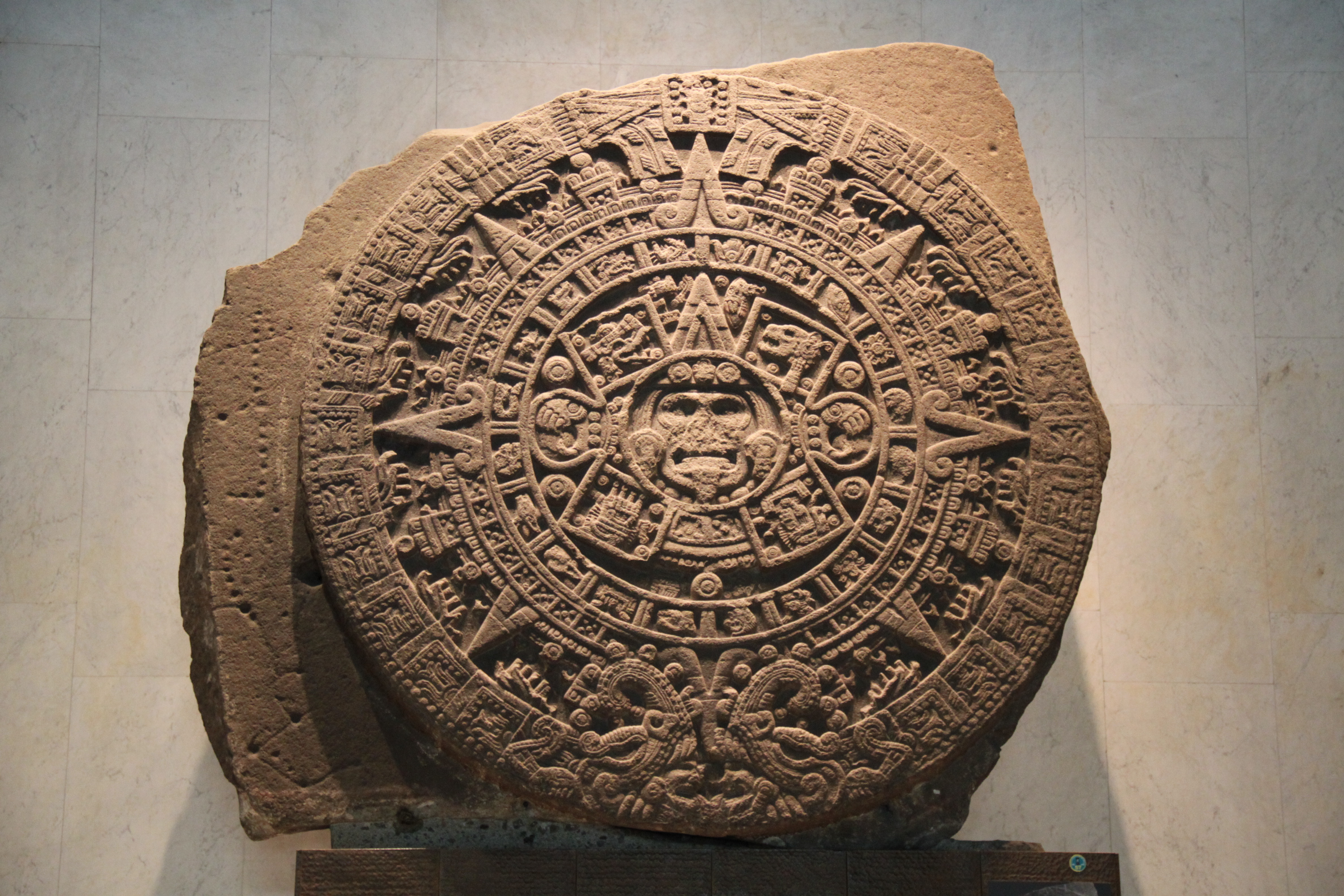
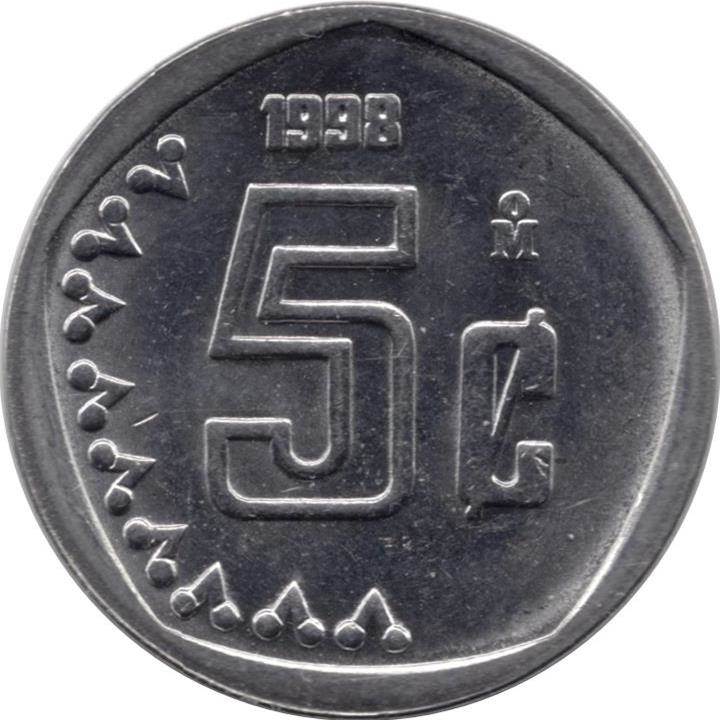
Image credits and sources